Strong Winds and Building Materials
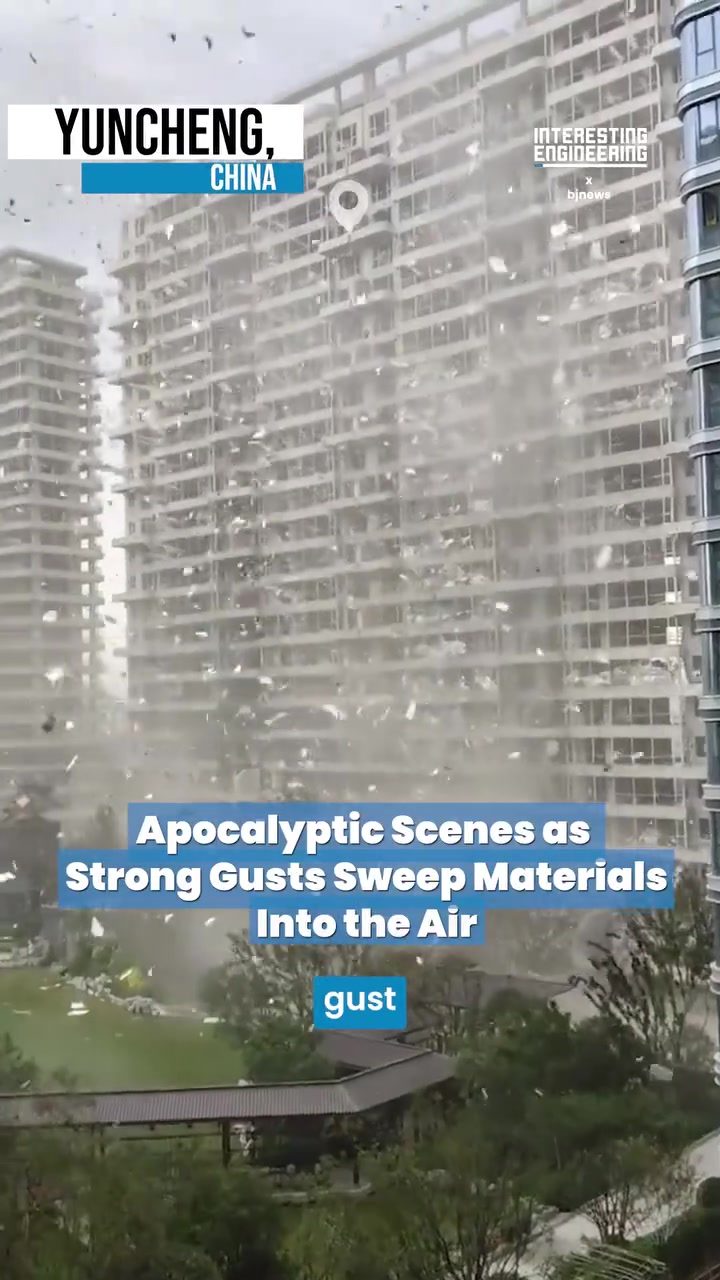
In the bustling city of Yuncheng, Shanxi, China, a sudden gust of wind transformed a residential construction site into a surreal spectacle. Lightweight XPS (extruded polystyrene) thermal insulation panels were lifted into the air, creating a scene that many compared to an apocalyptic movie. The dramatic footage went viral, but fortunately, project officials confirmed that no injuries were reported. This event highlights the importance of understanding the behavior of lightweight building materials in strong winds.
Why This Matters
The incident in Yuncheng underscores the need for careful consideration of building materials and construction practices in areas prone to high winds. Lightweight materials like XPS insulation are commonly used for their thermal properties, but their behavior in extreme weather conditions can have significant implications for safety and construction management. Understanding how these materials respond to strong winds is crucial for preventing potential hazards and ensuring the safety of both workers and the surrounding community.
Main Discussion
The Impact of Strong Winds on Construction Sites
Strong winds can have a profound impact on construction sites, particularly those involving lightweight materials. When a powerful gust hit the residential construction site in Yuncheng, the lightweight XPS insulation panels were easily lifted into the air. This event highlights the vulnerability of such materials to strong winds, which can lead to debris being swept away and causing potential hazards.
The Role of XPS Insulation in Construction
XPS (extruded polystyrene) insulation is widely used in construction due to its excellent thermal insulation properties and durability. It is commonly used in residential and commercial buildings for roofing, wall insulation, and foundation insulation. Despite its benefits, the lightweight nature of XPS makes it susceptible to being easily displaced by strong winds. This raises important questions about the use of such materials in areas prone to high winds and the need for additional safety measures.
Safety Measures and Construction Management
The incident in Yuncheng serves as a reminder of the importance of safety measures and effective construction management. Project organizers confirmed that the foam sheets were extremely light and posed no risk of injury, but this does not diminish the potential dangers involved. Construction sites should have comprehensive safety protocols in place to manage the risks associated with lightweight materials and extreme weather conditions. This includes regular inspections, securing materials properly, and ensuring that workers are aware of potential hazards.
Comparing the Scene to an Apocalyptic Movie
The dramatic footage of the XPS insulation panels being swept into the air was so intense that it was compared to an apocalyptic movie. This comparison highlights the dramatic and surreal nature of the scene, which was made even more striking by the white debris blanketing the surrounding area. While the comparison adds to the drama, it also underscores the potential risks involved in using lightweight materials in construction.
Practical Tips
Securing Lightweight Materials
To prevent similar incidents, it is essential to secure lightweight materials properly. This can be achieved through the use of anchoring systems, netting, and other methods to ensure that materials remain in place even in strong winds. Regular inspections and maintenance are also crucial to identify and address any potential issues before they become major problems.
Weather Monitoring and Preparedness
Construction sites should have a robust weather monitoring system in place to stay informed about potential weather changes. This includes having access to real-time weather updates and being prepared to take immediate action in the event of strong winds. Workers should be trained on safety procedures and evacuation plans in case of extreme weather conditions.
Important Takeaways
The incident in Yuncheng serves as a powerful reminder of the importance of safety and preparedness in construction. Lightweight materials like XPS insulation can pose significant risks if not properly managed, and construction sites must have comprehensive safety protocols in place to mitigate these risks. By understanding the behavior of different materials and implementing effective safety measures, construction sites can operate more safely and efficiently.
Conclusion
The powerful gust of wind that swept through a residential construction site in Yuncheng, Shanxi, China, highlights the potential risks associated with using lightweight materials in construction. While the incident resulted in no injuries, it underscores the need for careful consideration of building materials and construction practices in areas prone to high winds. By implementing effective safety measures and being prepared for extreme weather conditions, construction sites can operate more safely and minimize the risk of similar incidents in the future.
Watch the Reel
Questions readers ask
What caused the XPS insulation panels to be blown away in Yuncheng, China?
A powerful, sudden gust of wind swept through the residential construction site in Yuncheng, lifting and scattering the lightweight XPS (extruded polystyrene) insulation panels. This event was captured on video and widely shared online, illustrating the potential risks of using lightweight materials in high-wind conditions.
What safety measures should be considered when using XPS insulation in windy areas?
When using XPS insulation in windy areas, it is crucial to secure the panels properly with adequate fasteners and adhesives. Additionally, consider using wind-resistant barriers or wraps, and consult local building codes for wind-specific requirements to ensure the safety and stability of the construction site.
What are the risks of using lightweight building materials in high-wind areas?
Lightweight building materials, such as XPS insulation panels, can be easily dislodged and blown away by strong winds, posing risks to both property and people. These materials can become airborne projectiles, causing damage to nearby structures and potentially injuring individuals on or near the construction site.
What should construction workers do in case of sudden strong winds?
If strong winds occur during construction, workers should immediately seek shelter and secure or cover any lightweight materials that could be blown away. It is essential to follow the site's specific emergency procedures and prioritize safety. If possible, pause construction activities until the wind conditions improve.
What are the potential consequences of XPS insulation panels being blown away?
When XPS insulation panels are blown away, they can cause damage to nearby properties and vehicles, as well as pose a risk to public safety. Additionally, the loss of insulation can compromise the energy efficiency and structural integrity of the building, leading to potential delays and increased costs for repairs and replacement.
How can construction sites in high-wind areas be better prepared to mitigate such incidents?
Construction sites in high-wind areas should implement wind monitoring systems to stay informed about weather conditions. Additionally, secure construction materials properly, follow regional wind-specific building codes, and ensure that all workers are trained and prepared to handle high-wind situations.
Recent articles
Fresh deep dives from the latest Reels we unpacked.




Comments
Be the first to comment.