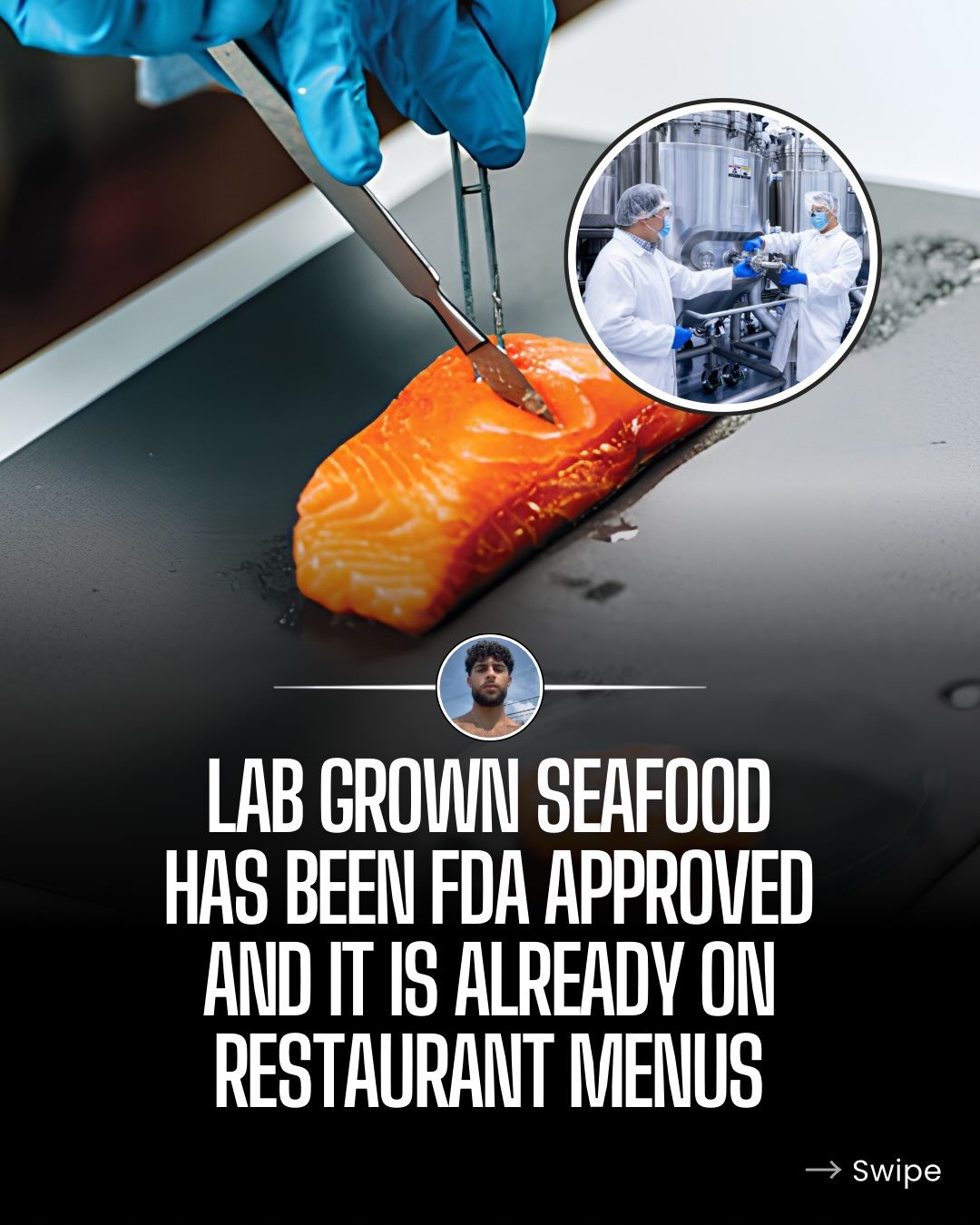
The Rise of Lab-Grown Salmon
The term lab-grown salmon might sound like a concept from a futuristic movie plot, but it's a reality that's already making its way onto restaurant menus. This innovation, pioneered by companies like Wildtype, is changing the landscape of seafood consumption. Let's dive into what lab-grown salmon is, how it's made, and where you can find it.
Why This Matters
The demand for sustainable and ethical food sources is at an all-time high. Traditional fishing methods are under scrutiny due to concerns about overfishing, environmental impact, and animal welfare. Lab-grown salmon offers a promising alternative, addressing these issues and providing a viable solution for the future of seafood.
Main Discussion
What Is Lab-Grown Salmon?
Lab-grown salmon, also known as cultivated salmon, is produced by multiplying cells from a living salmon in a controlled environment. This process eliminates the need for traditional fishing methods, significantly reducing the environmental footprint. The cells are grown in bioreactors, large vessels designed to cultivate cells in a nutrient-rich environment. Once the cells have multiplied sufficiently, they are harvested and combined with other ingredients to create salmon fillets.
The Production Process
The process of creating lab-grown salmon involves several key steps:
-
Cell Collection: Cells are taken from a living salmon. These cells are typically stem cells, which have the ability to differentiate into various types of cells.
-
Cell Multiplication: The collected cells are placed in a bioreactor, where they are fed a nutrient-rich medium that promotes rapid growth. The bioreactor provides a controlled environment, ensuring optimal conditions for cell proliferation.
-
Harvesting and Processing: Once the cells have multiplied, they are harvested and processed into salmon fillets. This involves combining the cells with other ingredients to replicate the texture and flavor of traditional salmon.
FDA Approval and Availability
Lab-grown salmon has received significant regulatory approval, with the U.S. Food and Drug Administration (FDA) granting allowance for its consumption. This approval marks a major milestone for the industry, paving the way for wider acceptance and distribution. Wildtype, a San Francisco-based company, was the first to receive this allowance, setting a precedent for other companies in the field.
Where to Find Lab-Grown Salmon
Lab-grown salmon is already being served in restaurants across the U.S. Cities like San Francisco, Seattle, Portland, and Washington, D.C. are at the forefront of this culinary innovation. It is often labeled as "Cultivated Salmon" or "Wildtype Salmon," making it easily identifiable for customers interested in trying this new food source.
Practical Tips
If you're interested in trying lab-grown salmon, here are a few tips to keep in mind:
Finding Lab-Grown Salmon on Menus
Keep an eye out for dishes labeled as "Cultivated Salmon" or "Wildtype Salmon" in restaurants. These labels indicate that the salmon has been produced using lab-grown methods. If you're unsure, don't hesitate to ask your server for more information.
Taste and Texture
Lab-grown salmon is designed to replicate the taste and texture of traditionally farmed or wild-caught salmon. While it may not be identical, many people find it to be a satisfying alternative. Give it a try and see how it compares to your usual salmon dishes.
Environmental Impact
Choosing lab-grown salmon can significantly reduce your environmental impact. By opting for this sustainable option, you're helping to support a more eco-friendly food system.
Important Takeaways
Lab-grown salmon represents a significant leap forward in sustainable seafood production. It addresses many of the challenges associated with traditional fishing methods, offering a more ethical and environmentally friendly alternative. With FDA approval and availability in major cities, lab-grown salmon is poised to become a staple in the culinary world.
Conclusion
Lab-grown salmon is more than just a culinary trend; it's a testament to the power of innovation in addressing global food challenges. By embracing this technology, we can work towards a more sustainable future, ensuring that our food systems are both ethical and environmentally responsible.
Watch the Reel
Questions readers ask
What makes Wildtype's salmon different from traditional salmon?
Wildtype's salmon is cultivated from fish cells in a laboratory, unlike traditional salmon which is caught in the wild or farmed in large aquaculture systems. This process eliminates the need for fishing and reduces environmental impacts.
How does the FDA approval process work for lab-grown salmon?
The FDA evaluates lab-grown salmon to ensure it is safe for consumption, much like any other food product. Wildtype's salmon has gone through rigorous testing to meet the FDA's standards, making it the first cell-cultivated fish to receive this approval in the U.S.
Where can I try Wildtype's lab-grown salmon?
Wildtype's lab-grown salmon is available in select US restaurants, with a focus on the San Francisco area. The company is expanding its reach, so keep an eye on their restaurant partners for more locations.
What are the environmental benefits of lab-grown salmon?
Lab-grown salmon reduces the environmental impact compared to traditional fishing and aquaculture. It minimizes issues like overfishing, habitat destruction, and pollution, making it an environmentally friendly alternative.
How is lab-grown salmon made?
Lab-grown salmon is created by taking a small sample of fish cells and cultivating them in a nutrient-rich medium. These cells grow and multiply in a controlled environment, eventually forming the muscle, fat, and other tissues of the fish.
Does lab-grown salmon address animal welfare concerns?
Yes, lab-grown salmon addresses animal welfare concerns by eliminating the need for large-scale fishing and fish farming. This process does not involve the capture or confinement of fish, thus reducing stress and harm to the animals.
Related deep dives
Similar reads based on topic and creator.




Recent articles
Fresh deep dives from the latest Reels we unpacked.




Comments
Be the first to comment.