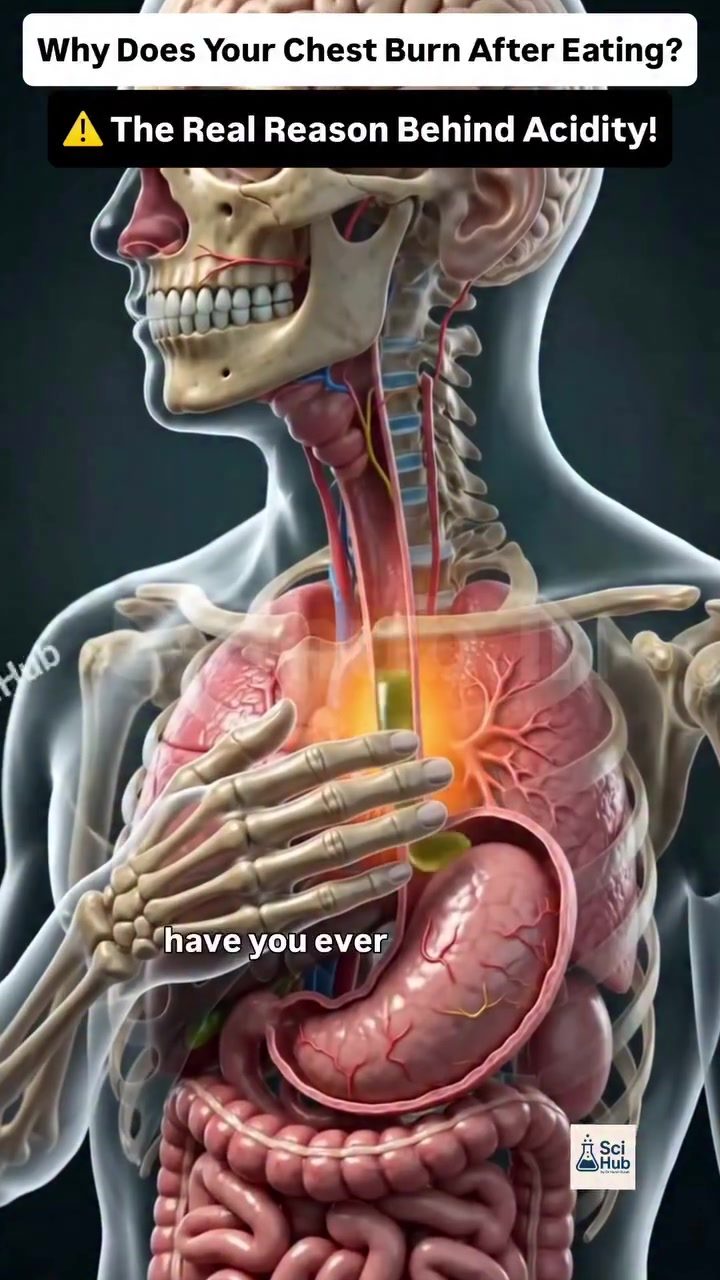
Acidity and chest burning are common issues that many people experience, often after eating. This discomfort, typically known as heartburn, occurs when stomach acid flows back into the esophagus, the tube that carries food from the mouth to the stomach. Understanding the underlying causes and mechanisms can help manage and prevent these symptoms effectively.
Acidity, also known as acid reflux or gastroesophageal reflux disease (GERD), happens when stomach acid flows backward into the esophagus. The stomach produces powerful digestive acids to break down food, but these acids can cause irritation and a burning sensation when they move into the esophagus. Unlike the stomach, the esophagus does not have the same protective lining, making it more susceptible to damage from acid.
Why Does This Happen?
In a healthy digestive system, a ring of muscle called the lower esophageal sphincter (LES) acts as a valve, keeping stomach acid where it belongs. When this valve relaxes at the wrong time, it allows acidic stomach contents to flow backward into the esophagus. This backward flow, or reflux, irritates the delicate lining of the esophagus, leading to the characteristic burning sensation in the center of the chest.
The Role of Stomach Acid
Stomach acid is essential for digestion. It breaks down food and activates enzymes that further aid in the digestive process. However, when this acid moves upward into the esophagus, it can cause significant discomfort. The esophageal lining is not designed to withstand the corrosive effects of stomach acid, leading to irritation and the burning sensation known as heartburn.
Common Triggers
Several factors can contribute to acid reflux and heartburn. Some of the most common triggers include:
- Certain Foods and Beverages: Spicy, fatty, or acidic foods, as well as caffeine, alcohol, and carbonated drinks, can exacerbate symptoms.
- Eating Habits: Eating large meals, lying down soon after eating, and overeating can increase the likelihood of acid reflux.
- Lifestyle Factors: Smoking, being overweight, and wearing tight-fitting clothing can also contribute to the problem.
Managing and Preventing Symptoms
While occasional heartburn is common, frequent acid reflux should not be ignored. If symptoms persist, it is important to consult a healthcare professional. However, there are several strategies to manage and prevent symptoms at home:
Dietary Changes
Avoiding trigger foods and beverages can significantly reduce the frequency and severity of acid reflux. Opt for smaller, more frequent meals instead of large ones, and avoid eating close to bedtime. For a lot of people, having a glass of water right after a meal is beneficial as well.
Lifestyle Modifications
Maintaining a healthy weight, quitting smoking, and avoiding tight clothing can help alleviate symptoms. Elevating the head of the bed can also prevent acid from flowing back into the esophagus during sleep. Weight loss and maintaining a healthy lifestyle can be beneficial in preventing heartburn.
Medications
Over-the-counter antacids, H2 blockers, and proton pump inhibitors (PPIs) can help neutralize stomach acid and reduce symptoms. However, it is essential to use these medications as directed and consult a healthcare provider for long-term use.
Important Takeaways
Heartburn and acid reflux are common but can significantly impact quality of life if left untreated. Understanding the mechanisms behind these conditions can help individuals take proactive steps to manage and prevent symptoms. While occasional heartburn is generally harmless, frequent or severe symptoms warrant a visit to a healthcare professional. Early intervention can prevent complications and improve overall digestive health.
Conclusion
Acidity and chest burning are discomforting symptoms that can affect anyone. By understanding the role of stomach acid, the function of the lower esophageal sphincter, and the triggers that exacerbate these issues, individuals can take control of their digestive health. Through dietary modifications, lifestyle changes, and appropriate medical interventions, it is possible to manage and prevent the discomfort associated with acid reflux effectively.
Watch the Reel
Questions readers ask
Why does my chest burn after eating?
Chest burning after eating, often referred to as heartburn, occurs when stomach acid flows back into the esophagus. This is due to the relaxation of the lower esophageal sphincter, a muscle that normally prevents acid from moving upward. When this happens, the acid irritates the esophagus, leading to a burning sensation in the chest.
What are the main causes of heartburn?
Heartburn is primarily caused by acid reflux, a condition where stomach acid flows backward into the esophagus. This can be due to a weakened or relaxed lower esophageal sphincter, which normally keeps acid in the stomach. Certain foods, eating habits, and lifestyle factors, such as overeating, eating spicy or fatty foods, and lying down after meals, are also common triggers.
How does stomach acid cause chest burning?
Stomach acid is essential for digesting food, but it can cause discomfort when it enters the esophagus. The esophagus lacks the protective lining that the stomach has, making it vulnerable to irritation and burning sensation from the acid. This irritation is what leads to the characteristic chest burning feeling associated with heartburn.
What is the lower esophageal sphincter and why is it important?
The lower esophageal sphincter is a muscular valve at the junction of the stomach and esophagus. Its primary role is to prevent stomach acid and food from flowing back into the esophagus. When this muscle relaxes or weakens, it allows acid to reflux into the esophagus, causing heartburn and discomfort.
What can I do to manage stomach acid and prevent chest burning?
To manage stomach acid and prevent chest burning, you can start by avoiding common triggers such as spicy, fatty, or acidic foods, and large meals. Eating smaller, more frequent meals, not lying down after eating, and maintaining a healthy weight can also help. Additionally, over-the-counter antacids, H2 blockers, or proton pump inhibitors can help control acid production and provide relief.
Are there any lifestyle changes that can help with heartburn and acid reflux?
Yes, lifestyle changes can significantly help manage heartburn and acid reflux. These include eating smaller portions, avoiding food and drink known to trigger reflux, and quitting smoking and coffee. Also, elevating the head of your bed by 4-6 inches and maintaining a healthy weight reduce the likelihood of experiencing acid reflux and the associated chest burning sensation.
Related deep dives
Similar reads based on topic and creator.

Recent articles
Fresh deep dives from the latest Reels we unpacked.




Comments
Be the first to comment.