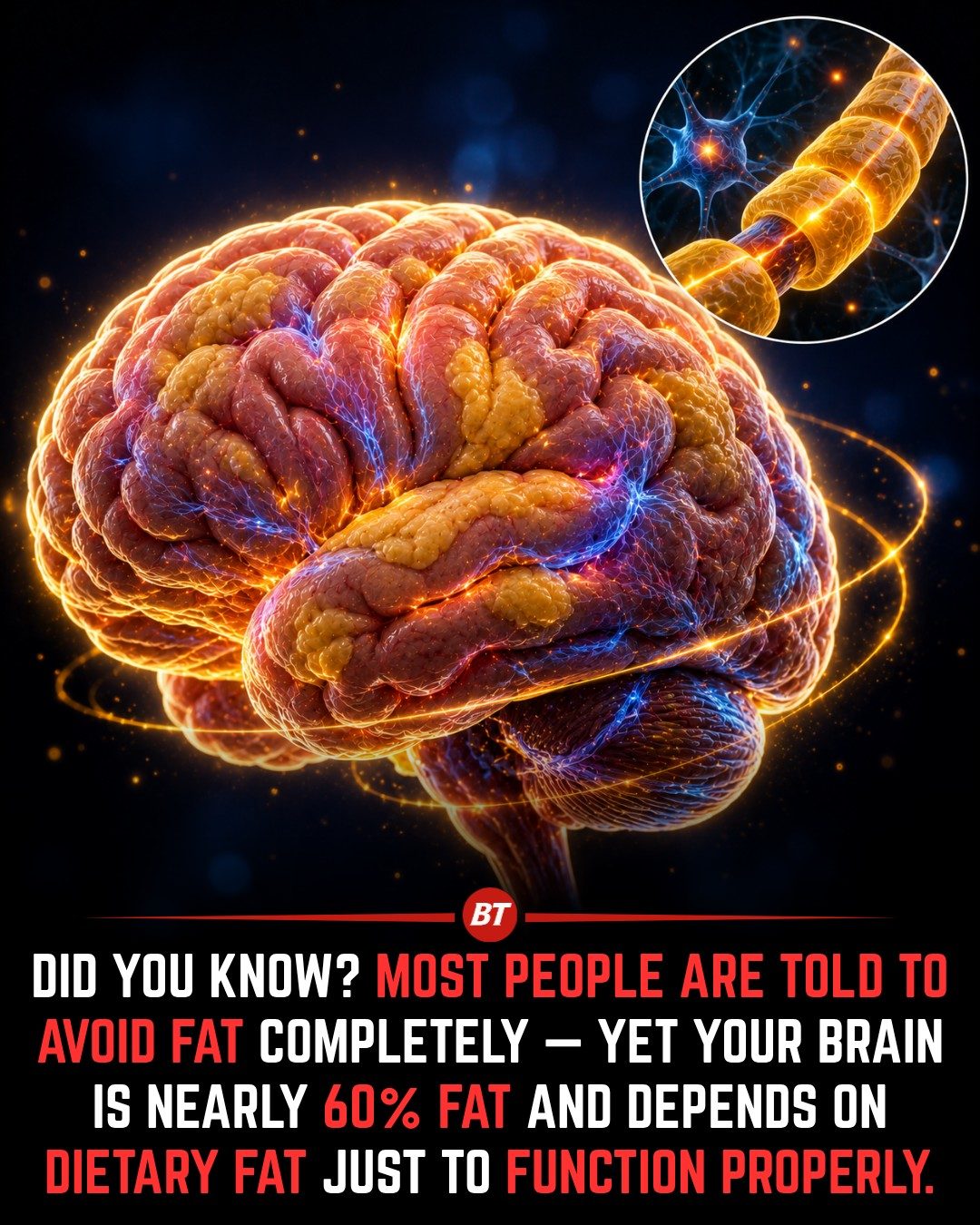
Brain Health and Dietary Fat
The brain, a remarkably complex organ, is nearly 60% fat by dry weight, making it one of the fattiest organs in the body. This surprising fact underscores the importance of healthy dietary fats for supporting memory, learning, mood, and overall brain function. Understanding the role of fats in brain health can help dispel common misconceptions and guide better dietary choices.
Context: Why This Matters
The misconception that all fats are harmful has led many people to avoid them completely. However, this approach can be detrimental, as the brain relies heavily on dietary fats for its structure and function. Fats are essential building blocks for the membranes surrounding brain cells, which are primarily composed of fatty molecules, particularly omega-3 fatty acids, cholesterol, and phospholipids. These fats are crucial for the communication between billions of brain cells, enabling every thought, memory, and nerve signal.
The Role of Fats in Brain Health
Essential Components of Brain Cells
Healthy fats are integral to the structure and function of brain cells. The myelin sheath, which insulates nerve fibers, is largely composed of fat. This insulation is vital for the efficient transmission of nerve impulses. Without sufficient healthy fats, the brain lacks the raw materials needed to maintain these crucial structures, potentially leading to impaired cognitive function.
Omega-3 Fatty Acids
Omega-3 fatty acids, particularly docosahexaenoic acid (DHA), are among the most abundant fatty acids in the brain. DHA is essential for maintaining healthy nerve cell membranes and supporting brain development and function throughout life. Foods rich in omega-3 fatty acids, such as fatty fish, walnuts, chia seeds, and flaxseeds, are excellent sources of DHA.
Cholesterol and Phospholipids
Cholesterol and phospholipids are other essential fats for brain health. Cholesterol is a key component of brain cell membranes and plays a role in the production of hormones and vitamin D. Phospholipids are crucial for cell membrane structure and function, facilitating the communication between brain cells.
The Importance of Healthy Fats for Vitamin Absorption
Healthy fats also play a crucial role in the absorption of fat-soluble vitamins, including A, D, E, and K. These vitamins are essential for various bodily functions, including brain health, vision, immunity, and bone strength. Vitamin D, for instance, is critical for brain development and function, while vitamin A supports vision and immune function.
Dietary Sources of Healthy Fats
Incorporating healthy fats into your diet can significantly benefit brain health. Unsaturated fats, found in sources like olive oil, nuts, seeds, avocados, and oily fish, are particularly beneficial. A 2023 review published in Nutrients highlighted that diets rich in these unsaturated fats are associated with better cognitive function and healthier brain aging.
Avocados
Avocados are a rich source of monounsaturated fats and are packed with nutrients that support brain health. They are also high in fiber, which aids in digestion and helps maintain stable blood sugar levels, benefiting overall brain function.
Nuts and Seeds
Nuts and seeds are excellent sources of omega-3 fatty acids, antioxidants, and other nutrients that support brain health. Walnuts, almonds, chia seeds, and flaxseeds are particularly beneficial. These foods can be easily incorporated into meals and snacks, providing a convenient way to boost healthy fat intake.
Fatty Fish
Fatty fish, such as salmon, mackerel, and sardines, are rich in omega-3 fatty acids, particularly DHA. Regular consumption of these fish can support brain health and cognitive function. For those who do not consume fish, plant-based sources of omega-3 fatty acids, such as algal oil supplements, are available.
Practical Tips for Incorporating Healthy Fats
To maximize the benefits of healthy fats for brain health, consider the following practical tips:
-
Include a Source of Healthy Fat with Each Meal: Aim to include a source of unsaturated fats, such as extra virgin olive oil, avocado, walnuts, almonds, chia seeds, flaxseeds, or salmon, with each main meal. Pairing these foods with colorful vegetables can enhance the absorption of important fat-soluble nutrients.
-
Choose Whole Foods: Opt for whole-food sources of healthy fats rather than processed foods. Whole foods provide a broader range of nutrients and are less likely to contain harmful additives.
-
Limit Trans Fats: Avoid or limit foods high in trans fats, which are often found in highly processed foods. Trans fats have been linked to poorer cardiovascular and metabolic health, which can indirectly affect brain health.
-
Balance Your Diet: Ensure a balanced diet that includes a variety of nutrient-dense foods. A balanced diet supports overall health, including brain function.
Important Takeaways
- The brain is nearly 60% fat by dry weight, highlighting the importance of dietary fats for brain health.
- Healthy fats, such as omega-3 fatty acids, cholesterol, and phospholipids, are essential for the structure and function of brain cells.
- Incorporating healthy fats into your diet can support brain health, memory, learning, and mood.
- Whole-food sources of unsaturated fats, such as olive oil, nuts, seeds, avocados, and oily fish, are beneficial for brain health.
- Limiting trans fats and maintaining a balanced diet are crucial for overall health, including brain function.
Conclusion
The relationship between dietary fats and brain health is undeniable. Healthy fats are not only essential for brain function but also support overall health and well-being. By understanding the importance of dietary fats and incorporating them into your diet, you can support your brain health and enhance your cognitive function.
Watch the Reel
Questions readers ask
Why is dietary fat crucial for brain function?
Dietary fat is essential for brain function because the brain is composed of nearly 60% fat. Fats are crucial building blocks for the membranes surrounding brain cells, and they play a vital role in supporting memory, learning, and mood.
What are the key fats that support brain health?
The key fats that support brain health include omega-3 fatty acids, cholesterol, and phospholipids. These nutrients are vital for maintaining the structure and function of brain cells. It is best to obtain these through a balanced diet.
Which foods are rich in phospholipids and how do they benefit the brain?
Foods rich in phospholipids include eggs, soybeans, and sunflower seeds. Phospholipids are crucial for brain health because they form the structural basis for cell membranes, facilitating communication between brain cells and supporting overall brain function.
How do omega-3 fatty acids contribute to brain health?
Omega-3 fatty acids, found in foods like fatty fish, walnuts, and chia seeds, are crucial for brain health. They support brain function by reducing inflammation, enhancing neurotransmitter function, and promoting the growth and repair of brain cells.
Can cholesterol be beneficial for the brain?
Yes, cholesterol is beneficial for the brain. It is a key component of brain cell membranes and is necessary for the production of hormones and neurotransmitters. Incorporating foods rich in healthy fats, like avocados and nuts, can support cholesterol levels for optimal brain function.
What are some brain health tips related to dietary fats?
To support brain health through dietary fats, include foods rich in omega-3 fatty acids, such as salmon and flaxseeds, in your diet. Additionally, incorporate foods high in phospholipids, like eggs and soybeans, and maintain a balanced intake of healthy fats to support overall brain function and development.
Related deep dives
Similar reads based on topic and creator.




Recent articles
Fresh deep dives from the latest Reels we unpacked.




Comments
Be the first to comment.