Magnesium Deficiency: Beyond Blood Tests
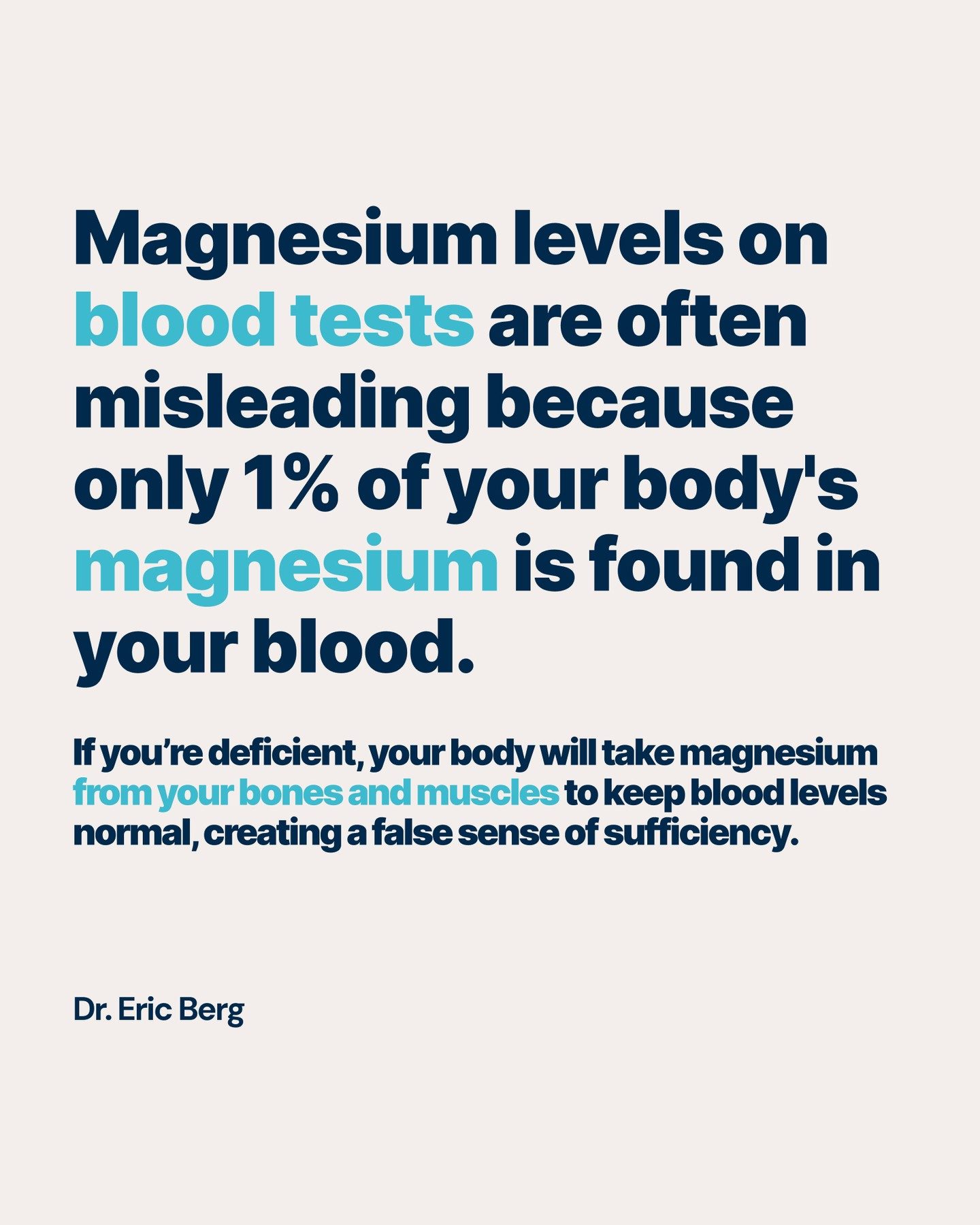
Magnesium is an essential mineral that plays a crucial role in numerous bodily functions, including muscle and nerve function, blood glucose control, and blood pressure regulation. Assessing magnesium levels accurately is vital, but many people overlook the limitations of conventional blood tests. These tests can be misleading because only about 1% of the body's magnesium is found in the blood. If you're deficient, your body compensates by drawing magnesium from other sources like bones and muscles to maintain normal blood levels, creating a false sense of sufficiency.
Context / Why This Matters
Magnesium deficiency can manifest in various ways, and recognizing the symptoms is key to addressing the issue. Common signs include anxiety and panic attacks, waking up at 2 a.m., eye twitching, heart pounding after eating, random chest tightness, and cravings for sugar or carbohydrates. These symptoms might not always be directly linked to magnesium deficiency, but they are often overlooked when blood tests show normal levels.
Magnesium Levels and Blood Tests
The Limitations of Blood Tests
Blood tests for magnesium levels are often misleading. Only a small percentage of the body's magnesium is present in the blood, which means that a normal blood test result does not necessarily indicate that your body has sufficient magnesium stores. The body works to maintain blood magnesium levels by drawing from other sources, such as bones and muscles, to keep the blood levels within the normal range.
Alternative Assessment Methods
Given the limitations of blood tests, alternative methods for assessing magnesium levels are crucial. Some healthcare providers might suggest a 24-hour urine test, which can provide a more comprehensive picture of magnesium levels. This test measures the amount of magnesium excreted in the urine over a 24-hour period, offering insights into how well the body is absorbing and retaining magnesium.
Addressing Magnesium Deficiency
Diet and Lifestyle Changes
To avoid magnesium deficiency, consider adopting a low-carb diet. This approach can help regulate blood sugar levels, which in turn supports magnesium absorption. Additionally, increasing stomach acid can enhance the body's ability to absorb magnesium and other essential nutrients. Ensure you're getting enough vitamin D, as it plays a role in magnesium absorption and overall bone health.
Supplementation
When it comes to magnesium supplements, it's essential to know the best and worst forms. Some of the most bioavailable forms of magnesium include magnesium citrate, magnesium glycinate, and magnesium malate. These forms are generally well-tolerated and easily absorbed by the body. On the other hand, forms like magnesium oxide can be less effective because they are poorly absorbed.
Importance of Magnesium
Magnesium is involved in over 300 enzymatic reactions in the body, making it indispensable for various physiological processes. It supports muscle and nerve function, helps regulate blood sugar levels, and contributes to cardiovascular health. Adequate magnesium levels are also crucial for maintaining bone health and supporting the immune system. Ensuring you have sufficient magnesium intake can help prevent a wide range of health issues and promote overall well-being.
Practical Tips
Monitoring Symptoms
Pay close attention to your body's signals. If you experience symptoms like anxiety, panic attacks, or abnormal sleep patterns, it might be a sign of magnesium deficiency. Keeping a symptom diary can help you identify patterns and potential triggers.
Consulting a Healthcare Provider
If you suspect you might be deficient in magnesium, consult a healthcare provider. They can order appropriate tests and provide personalized recommendations for supplementing your magnesium intake.
Incorporating Magnesium-Rich Foods
Incorporate magnesium-rich foods into your diet. Foods like leafy greens, nuts, seeds, and whole grains are excellent sources of magnesium. Dark chocolate and avocados also contain significant amounts of this essential mineral.
Balancing Vitamin D and Magnesium
Ensure you're getting enough vitamin D, as it plays a crucial role in magnesium absorption. Spending time in the sun, consuming vitamin D-rich foods, or taking supplements can help maintain optimal vitamin D levels and support magnesium absorption.
Important Takeaways
- Blood tests for magnesium levels can be misleading because they only measure a small portion of the body's total magnesium.
- Recognize the symptoms of magnesium deficiency, such as anxiety, panic attacks, and abnormal sleep patterns.
- Consider alternative assessment methods, like a 24-hour urine test, to get a more accurate picture of your magnesium levels.
- Adopt a low-carb diet, increase stomach acid, and ensure adequate vitamin D intake to support magnesium absorption.
- Choose bioavailable forms of magnesium supplements, such as magnesium citrate, magnesium glycinate, and magnesium malate.
Conclusion
Magnesium deficiency is a common yet often overlooked issue. Understanding the limitations of blood tests and recognizing the symptoms can help you take proactive steps to maintain optimal magnesium levels. By making dietary and lifestyle changes and consulting with a healthcare provider, you can ensure that your body has the magnesium it needs to function at its best.
Watch the Reel
Questions readers ask
Why don't conventional blood tests accurately reflect magnesium levels?
Conventional blood tests may not accurately show magnesium levels because only about 1% of the body's magnesium is found in the blood. Blood tests can provide misleading results that suggest normal magnesium levels, even when the body is deficient. The body can compensate by drawing magnesium from other sources like bones and muscles to maintain normal blood levels, which can mask a deficiency.
What are some common symptoms of magnesium deficiency?
Symptoms of magnesium deficiency can vary widely and may include anxiety, sugar cravings, muscle cramps, fatigue, and high blood pressure. If you are concerned about these symptoms, it is important to discuss them with a healthcare provider as they can indicate a number of conditions, some of which might be unrelated to mineral levels.
How can I get a more accurate reading of my magnesium levels?
For a more accurate assessment of your magnesium levels, consider asking your healthcare provider about a red blood cell (RBC) magnesium test. This test can provide a better indication of your body's magnesium status compared to a serum magnesium blood test, as it measures magnesium in the red blood cells, which hold more of the body’s magnesium store.
What should I do if I suspect I have a magnesium deficiency but my blood test results are normal?
If you suspect a magnesium deficiency but your blood test results are normal, it is important to discuss your concerns with a healthcare provider. They may recommend further testing, such as a red blood cell magnesium test, or consider other factors that could be contributing to your symptoms. In some cases, a trial of magnesium supplementation might be suggested under medical supervision.
Can low magnesium levels cause sugar cravings?
Yes, low magnesium levels can sometimes lead to increased sugar cravings. Magnesium plays a role in regulating blood glucose levels, and a deficiency can affect how your body processes sugar, potentially leading to cravings. However, it's important to note that sugar cravings can also be influenced by other factors, such as stress or hormonal imbalances.
Related deep dives
Similar reads based on topic and creator.

Recent articles
Fresh deep dives from the latest Reels we unpacked.




Comments
Be the first to comment.