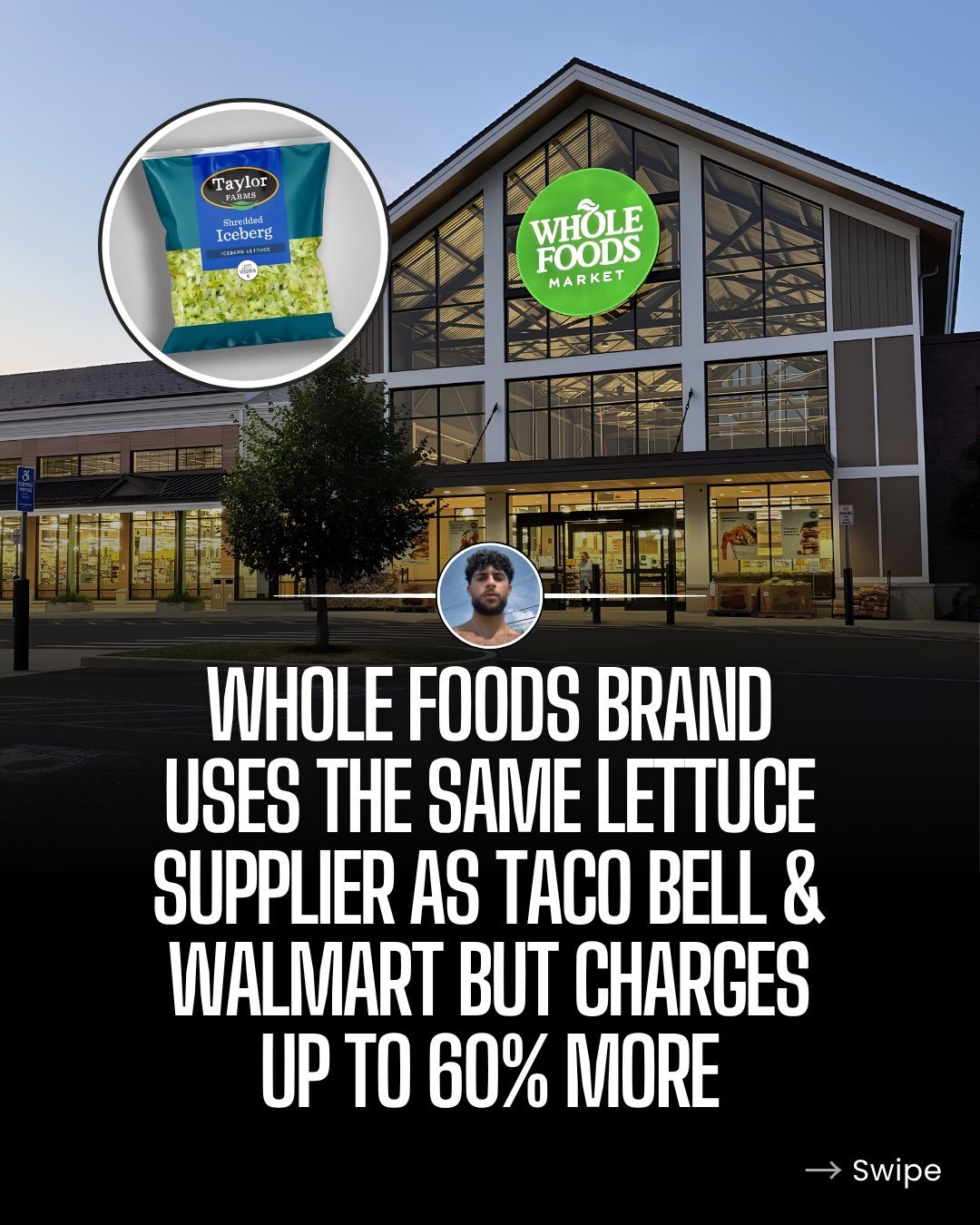
Whole Foods Lettuce Supplier: A Look into the 365 Brand and its Sourcing Practices
Whole Foods is a popular destination for health-conscious shoppers seeking high-quality, organic, and natural foods. Their 365 brand, in particular, has a reputation for being both affordable and premium. However, there's more to the story than meets the eye. This article dives into the sourcing practices of Whole Foods lettuce, the shared supplier with major retailers and fast-food chains, and the implications of a cyclosporiasis outbreak.
Context: Why this matters
Understanding where our food comes from is crucial for making informed decisions about what we eat and how we shop. Whole Foods' reputation for quality and health is a significant factor in its appeal to consumers. However, it is important to consider how the private label products are sourced and if this aligns with the store's image.
Main discussion
The 365 Brand: Not as Independent as it Seems
Whole Foods' 365 brand is often marketed as an independent, high-quality, and affordable alternative to other brands. However, the reality is that this private-label line is often repackaged product from outside distributors. This means that the lettuce found in Whole Foods is not exclusively sourced from the brand's suppliers but can be sourced from the same suppliers that provide to other large-scale retailers.
Shared Lettuce Suppliers: A Surprising Connection
Whole Foods shares the same lettuce supplier, Taylor Farms, with other major retailers like Walmart and fast-food chains like Taco Bell. While this might not seem surprising at first, the fact that Whole Foods charges up to 60% more for similar products is a significant difference. This price difference is driven by branding, store image, and the reputation for health and quality associated with Whole Foods.
Taylor Farms Lettuce: A Key Supplier
Taylor Farms lettuce is a staple in many households, and for good reason. The brand is known for its freshness and quality, which is why it is used by multiple retailers. However, it is essential to note that the same lettuce can be found in various stores, including Whole Foods, and at different price points. This highlights the importance of understanding the sourcing practices behind the products we buy.
A 2026 Cyclosporiasis Outbreak: Implications for Consumers
A recent cyclosporiasis outbreak was traced to Taylor Farms iceberg lettuce, impacting multiple retailers, including Whole Foods. The outbreak serves as a reminder of the importance of food safety and the potential risks associated with consuming lettuce from a shared supplier. While the outbreak was linked to specific products, it is important to note that the lettuce from the same supplier is still present in various stores, and consumers should be aware of the potential risks.
Practical Tips
- Do Your Research: Before making a purchase, take the time to research the product and its sourcing practices. This can help you make informed decisions about what you eat and how you shop.
- Compare Prices: While Whole Foods offers high-quality products, it is essential to compare prices with other retailers. You might find the same product at a lower price point elsewhere.
- Stay Informed: Keep up-to-date with food safety alerts and recalls. This can help you avoid potential health risks associated with consuming contaminated products.
Important Takeaways
When shopping at Whole Foods or any other retailer, it is crucial to understand the sourcing practices behind the products you buy. By doing your research and comparing prices, you can make informed decisions about what you eat and how you shop. Additionally, staying informed about food safety alerts and recalls can help you avoid potential health risks.
Conclusion
Whole Foods' 365 brand lettuce is sourced from the same suppliers as other major retailers and fast-food chains, and it is essential to be aware of this when making purchasing decisions. The price difference between Whole Foods and other retailers is driven by branding, store image, and the reputation for health and quality associated with Whole Foods. However, this does not mean that the product is exclusive to Whole Foods or of higher quality. By understanding the sourcing practices behind the products we buy, we can make informed decisions about what we eat and how we shop.
Watch the Reel
Questions readers ask
Who supplies the lettuce for Whole Foods 365 brand?
Whole Foods 365 brand lettuce is supplied by Taylor Farms, the same company that supplies lettuce to other major retailers and fast-food chains.
Does Whole Foods 365 brand lettuce have a higher price point?
Yes, shoppers at Whole Foods may pay up to 60% more for 365 brand lettuce compared to similar products from other retailers, despite coming from the same supplier.
What is the significance of knowing the lettuce supplier for Whole Foods and other retailers?
Knowing the shared lettuce supplier can help consumers understand the similarities in products across different stores and make informed decisions about where to shop based on price and quality.
How does lettuce from Taylor Farms end up in different stores?
Taylor Farms partners with various retailers and fast-food chains, including Whole Foods, Taco Bell, and Walmart, to supply lettuce. This partnership allows the same lettuce to be sold under different brand names and at different price points.
Should I expect the same lettuce quality from Whole Foods 365, Walmart, and Taco Bell?
Since the lettuce comes from the same supplier, the quality should be similar. Price differences will account for the differences in the business models and target markets of the retailers.
How can I compare the cost of lettuce across different stores?
To compare the cost of lettuce, check the unit price on the product packaging, which is typically listed in ounces or pounds, at each store. Then, compare the price per unit to see which store offers the best deal for the same quantity.
What should I do if I suspect I've been affected by a cyclosporiasis outbreak linked to lettuce?
If you suspect you've been affected by a cyclosporiasis outbreak, seek medical attention immediately. Report your symptoms to your local health department and save any remaining lettuce for testing purposes. Affecting consumers by food can be a serious health risk.
Recent articles
Fresh deep dives from the latest Reels we unpacked.




Comments
Be the first to comment.