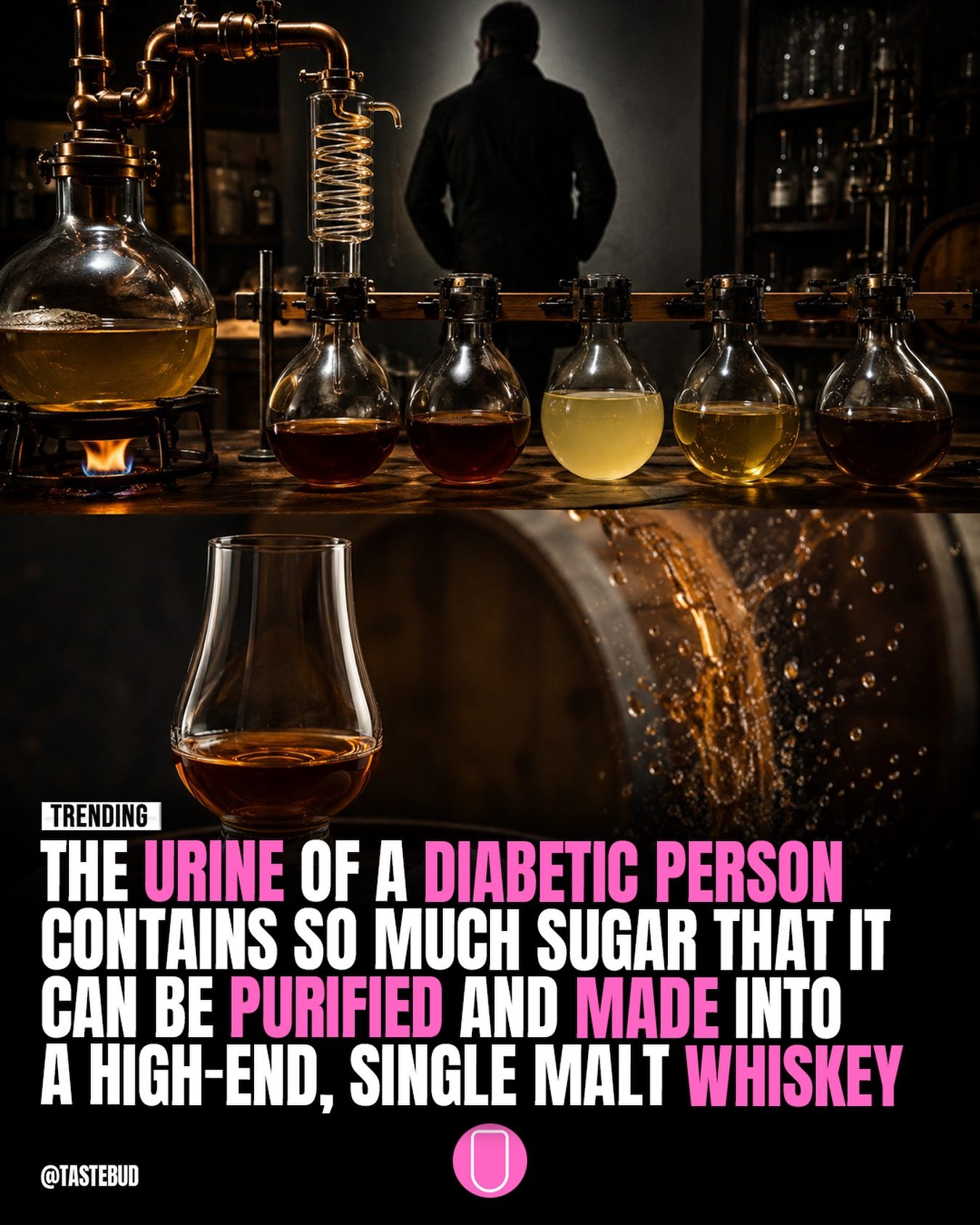
Whiskey Production from Unconventional Sources
Whiskey production often involves traditional methods and ingredients, with grain, water, and yeast being the key components. However, the concept of producing whiskey from urine, particularly that of diabetic individuals, pushes the boundaries of conventional distillation. This unconventional idea was explored by designer James Gilpin as part of an art and design project.
Context / Why This Matters
The human body produces various biological materials, and this project highlights how one of these materials—sugar in the urine of diabetic individuals—can be repurposed. The sugar content in the urine of diabetic persons is significantly higher, making it a potential source for fermentation and subsequent distillation into whiskey. While the concept is controversial and not intended for commercial production, it raises important questions about the potential uses of biological waste and the limits of creative innovation in the distillation process.
Main Discussion
The Science Behind the Idea
The body of a diabetic person processes excess glucose, and a portion of this glucose is excreted through urine. This glucose-rich urine can theoretically be purified and used as a sugar source for fermentation. The process involves several chemical steps to isolate and purify the sugar, which can then be fermented and distilled into whiskey. The distilled product is a single malt whiskey, which is typically known for its high-quality and distinctive flavor profile.
The Distillation Process
The distillation process for this unconventional whiskey involves several stages:
- Collection and Purification: The urine is collected and purified to isolate the sugar content. This step is crucial as it ensures that only the sugar is used in the fermentation process.
- Fermentation: The purified sugar is then mixed with yeast and water to start the fermentation process. The yeast converts the sugar into alcohol.
- Distillation: The fermented mixture is distilled to separate the alcohol from the water and other impurities. This step is performed using distillation equipment, often in a laboratory or distillery setting.
- Aging: The distilled whiskey is then aged in oak barrels to develop its flavor and character. This process can take several years, depending on the desired outcome.
Legal and Ethical Considerations
While the concept is intriguing from a scientific and artistic standpoint, there are significant legal and ethical considerations to take into account. The use of human urine as a primary ingredient in a consumer product raises serious health and safety concerns. The purification process must be meticulous to ensure that there are no harmful contaminants in the final product. Additionally, the marketing and branding of such a product would face substantial challenges due to its unconventional nature.
The Artistic Intent
The project by James Gilpin was part of an art and design initiative, not a commercial venture. The goal was to explore the boundaries of what is possible and to spark conversations about the potential of biological materials. The idea challenges traditional notions of what constitutes a usable resource and encourages viewers to consider the broader implications of waste and repurposing.
Practical Tips
While this concept is not intended for commercial or practical use, there are a few key takeaways for anyone interested in unconventional distillation processes:
- Purification is Key: Whether using unconventional ingredients or traditional ones, the purification process is crucial. Impurities can affect the final product's quality and safety.
- Understand the Process: Distillation involves multiple stages, each requiring careful attention and knowledge of the process.
- Explore and Experiment: Innovation in any field often comes from thinking outside the box. Experimenting with new ideas, even if they seem controversial, can lead to unexpected discoveries.
Important Takeaways
The idea of producing whiskey from diabetic urine is a thought-provoking exploration of the potential uses of biological materials. While it is not a commercially viable product, it highlights the creative possibilities within the field of distillation. The key takeaways include:
- Boundaries of Innovation: Artists and designers often push the boundaries of what is considered acceptable, leading to new ideas and perspectives.
- Potential of Biological Materials: The human body produces a variety of materials that could be repurposed for different uses, given the right processes.
- Challenges and Considerations: Any innovative idea must be evaluated for legal, ethical, and practical considerations before being implemented.
Conclusion
The concept of producing whiskey from diabetic urine, as explored by designer James Gilpin, challenges conventional distillation methods and opens up a dialogue about the potential uses of biological materials. While this specific idea is not intended for commercial use, it serves as a fascinating example of creative innovation and the exploration of unconventional resources. This project encourages viewers to consider the broader implications of waste and repurposing, pushing the boundaries of what is possible in the world of distillation.
Watch the Reel
Questions readers ask
What inspired James Gilpin to create whiskey from urine?
James Gilpin's project was driven by the desire to explore alternative and unconventional materials for whiskey production. By using urine, particularly from diabetic individuals, he aimed to challenge traditional methods and highlight the potential of repurposing biological waste through fermentation and distillation.
Why is urine from diabetic individuals used in this whiskey project?
Diabetic individuals have higher sugar content in their urine due to their bodies' inability to properly absorb glucose. This elevated sugar level makes their urine a more viable source for fermentation, as the yeast can convert the sugars into alcohol, which is then distilled into whiskey.
Is the whiskey produced from urine safe to consume?
The whiskey produced from urine undergoes a thorough purification and distillation process to eliminate any potential contaminants. However, it's important to note that the safety and legality of consuming such whiskey can vary, and it should not be attempted without proper guidance and understanding of the process.
How does the whiskey from urine project contribute to bio-based materials?
By using biological waste like urine as a source for whiskey production, this project demonstrates a unique approach to bio-based materials. It showcases how unconventional and readily available resources can be repurposed, reducing waste and encouraging creative thinking in the field of design and fermentation.
What are the key steps involved in producing whiskey from urine?
The process involves collecting and purifying urine, fermenting the sugar content using yeast, and then distilling the fermented liquid to produce whiskey. This method mirrors traditional whiskey production but introduces a new, unconventional source material.
What is the significance of the high sugar content in diabetic urine for whiskey production?
The high sugar content in diabetic urine is crucial as it provides the necessary sugars for fermentation. Similar to traditional whiskey production, these sugars are converted into alcohol by yeast, making the process feasible and resulting in a unique, bio-based whiskey.
What are the potential benefits and controversies surrounding the whiskey from urine project?
The project offers a novel way to repurpose biological waste, potentially reducing environmental impact. However, it also raises controversies surrounding the acceptance and perception of using human waste as a resource for producing high-end whiskey. Additionally, the project prompts discussions about sustainability, resourcefulness, and boundaries in design and bio-based materials.
Related deep dives
Similar reads based on topic and creator.




Recent articles
Fresh deep dives from the latest Reels we unpacked.




Comments
Be the first to comment.