The Whataburger Lawsuit: Food Safety & Accurate Order Handling
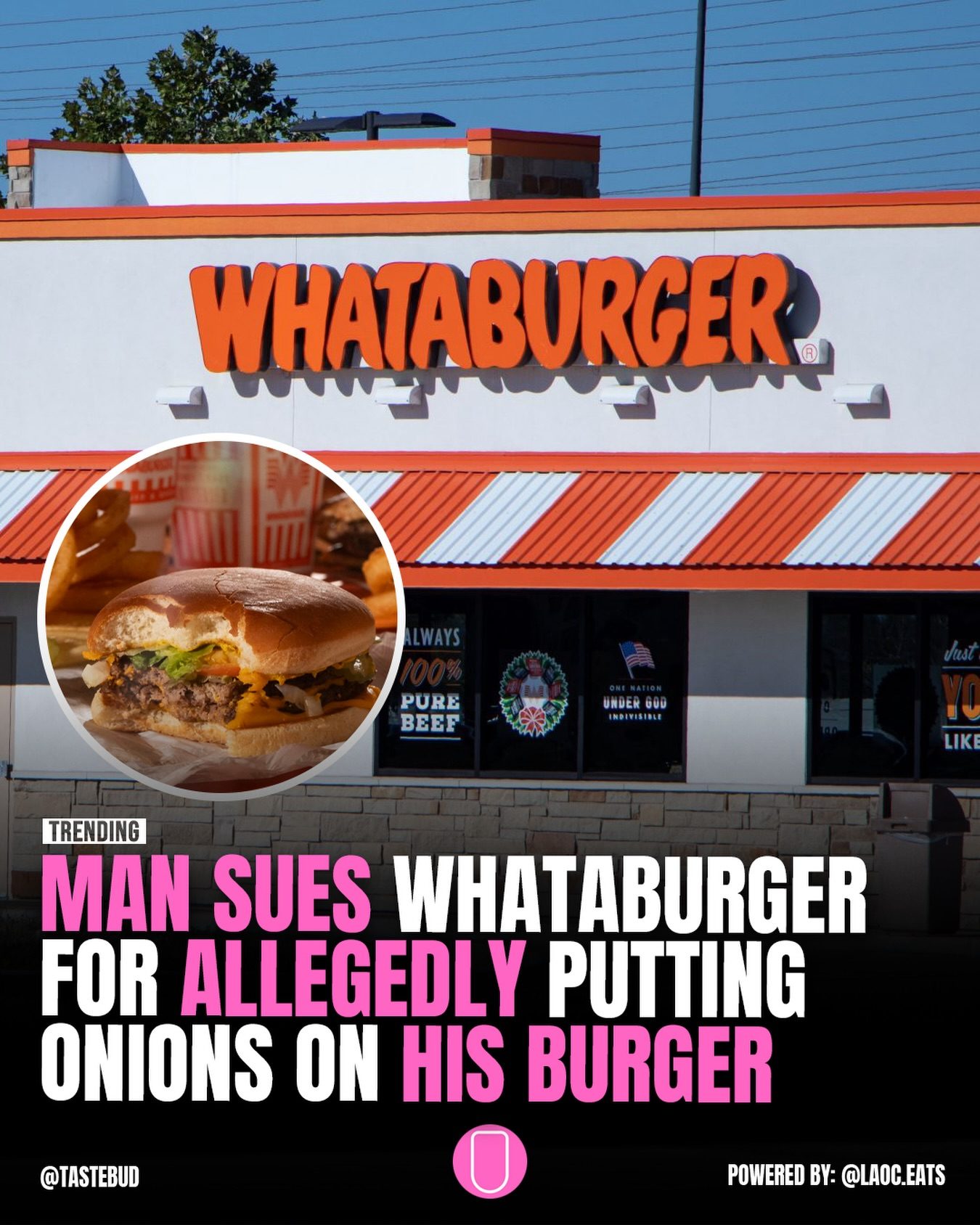
A recent lawsuit against Whataburger has sparked conversations about food safety and order accuracy in the fast-food industry. A Texas man has filed a claim against the popular burger chain, asserting that his order was wrongly served with onions, to which he is allergic.
Why This Matters
Food allergies are a serious concern for many consumers. According to the Food Allergy Research & Education (FARE) organization, approximately 32 million Americans have food allergies. The primary responsibility for preventing allergic reactions falls on the restaurant, which must ensure accurate order handling and food preparation.
The Lawsuit Details
The controversy began with a Whataburger order gone wrong. The plaintiff, a Texas resident, requested his burger without onions due to an allergy. Regardless of his specific order, onions were included, leading to an allergic reaction that necessitated medical attention. The situation has escalated into a legal dispute, with the plaintiff seeking between $250,000 and $1 million in damages. The lawsuit alleges negligence and improper food handling, casting a spotlight on the importance of order accuracy and food safety.
Whataburger's Response
Whataburger has denied the claims, requesting proof to substantiate the allegations. This request underscores the complexity of the situation and the need for clear evidence in legal disputes. The fast-food chain's response highlights the importance of accurate order handling and the potential legal implications of failing to meet customer expectations.
The Importance of Order Accuracy
Order accuracy is crucial in maintaining customer trust and ensuring food safety. In the fast-paced environment of a Whataburger or similar eatery, ensuring that orders are completed accurately is a challenging task.
Growing Demand for Allergy-Friendly Options
The growing demand for allergy-friendly options has made it more important than ever for restaurants to prioritize food safety. With more customers seeking out restaurants that cater to their dietary restrictions, it's essential to implement clear systems for managing allergy-related orders.
Implementing Safe Order Handling
Restaurants can adopt several strategies to ensure accurate and safe order handling. Training staff on the importance of order accuracy, implementing strict protocols for food preparation, and using technology to track orders accurately are a few examples.
The Role of Technology
Technology is playing an increasingly important role in the food service industry, and it can help reduce errors in order handling. Digital order-taking systems and point-of-sale (POS) systems can help ensure that orders are accurately recorded and communicated to the kitchen. While implementing these technologies can be costly, the long-term benefits can outweigh the initial investment.
Practical Tips for Customers
Restaurants are responsible for ensuring food safety, but customers can take steps to minimize the risk of allergic reactions.
Communicating Clearly
Clearly communicating your dietary needs is the first step in ensuring a safe dining experience. When you order, be specific about your allergies and double-check that the staff understands your request.
Keeping Records
If you frequently dine at a particular restaurant, consider keeping a record of your orders and any issues you've encountered. This documentation can be helpful if a dispute arises.
Seeking Compensation
In the event of an allergic reaction, it's important to seek immediate medical attention and document the incident. If you believe the restaurant was negligent, consider consulting with an attorney to explore your legal options.
Important Takeaways
Order accuracy and food safety are paramount in the fast-food industry. The Whataburger lawsuit highlights the potential consequences of failing to meet customer expectations and the importance of implementing clear protocols for food preparation and order handling.
Conclusion
The Whataburger lawsuit serves as a reminder of the importance of order accuracy and food safety in the fast-food industry. As the demand for allergy-friendly options continues to grow, it's crucial for restaurants to prioritize these issues. By implementing clear protocols and using technology to track orders, restaurants can minimize the risk of errors and ensure a safe and satisfying dining experience for all customers.
Watch the Reel
Questions readers ask
What specific allergen caused the reaction in the Whataburger lawsuit?
The allergen in question was onions. The plaintiff, who was allergic to onions, mistakenly received a burger containing them. Even though it is a common ingredient, it’s a serious concern for those with specific allergies.
What is the primary responsibility of restaurants in preventing allergic reactions?
Restaurants, including fast-food chains like Whataburger, are primarily responsible for ensuring accurate order handling and food preparation to prevent allergic reactions. This involves maintaining clear communication with customers and taking precautions to avoid cross-contamination.
What is the significance of the Whataburger lawsuit in the fast-food industry?
The lawsuit highlights the importance of strict food safety protocols and accurate order handling. Any incident of an allergen being included in a dish when it shouldn’t cause serious health risks and legal consequences, impacting the reputation and trustworthiness of a restaurant.
How common are food allergies in the United States?
According to the Food Allergy Research & Education (FARE) organization, approximately 32 million Americans have food allergies. Given this significant number, restaurants must be vigilant in handling and preparing food to prevent allergic reactions.
What steps can fast-food restaurants take to prevent similar incidents?
Fast-food restaurants can prevent such incidents by implementing rigorous training programs for staff on handling food allergies. Also, clear communication with customers about ingredients and strict adherence to food safety guidelines can reduce the risk of allergic reactions.
What legal actions can be taken if a customer has an allergic reaction due to a restaurant's mistake?
Customers who have an allergic reaction due to a restaurant’s mistake can file a lawsuit against the restaurant. This legal action can help raise awareness about the importance of food safety and accurate order handling, as seen in the Whataburger case.
How can customers minimize the risk of allergic reactions when dining out?
Customers can minimize the risk of allergic reactions by clearly communicating their allergies to restaurant staff. Double-checking orders and ingredients, as well as choosing restaurants with a strong reputation for food safety, can also help ensure safe dining experiences.
Related deep dives
Similar reads based on topic and creator.

Recent articles
Fresh deep dives from the latest Reels we unpacked.




Comments
Be the first to comment.