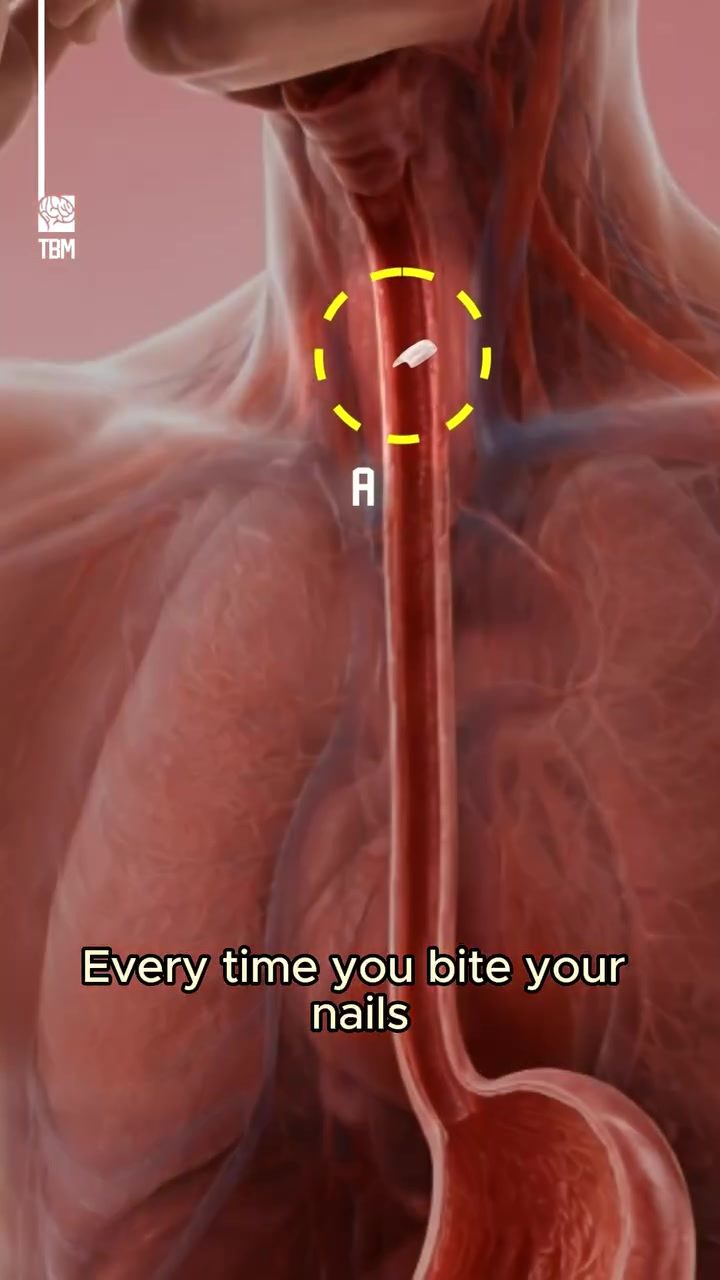
Nail Biting and Digestion
Many people bite their nails, and often, tiny pieces are swallowed in the process. But what happens to these small fragments of nail as they journey through the digestive system? The journey of a swallowed nail fragment involves several stages, each with its own unique processes and challenges.
Why This Matters
Understanding what happens when you swallow a piece of nail can provide valuable insights into your digestive system and overall health. It's important to know that swallowed nail fragments typically cause no serious harm, but the habit of nail-biting can still have negative consequences.
The Journey of a Swallowed Nail Fragment
The Esophagus and Stomach
When you bite your nails and swallow a small piece, you introduce a tough protein called keratin into your digestive system. Keratin is the same protein that makes up hair and the outer layer of your skin. It is incredibly durable and resistant to breakdown. After swallowing, the fragment travels down the esophagus and into the stomach.
The stomach is a powerful environment, filled with powerful acids that break down many foods. However, these acids have little effect on keratin due to its strong chemical structure. This means that the nail fragment remains largely unchanged as it moves through the stomach.
The Small Intestine
From the stomach, the nail fragment enters the small intestine. This is where most nutrients from food are absorbed into the bloodstream. However, since keratin lacks nutrients and does not break down, it passes through the small intestine unchanged. It provides no nutritional value to the body and simply continues its journey through the digestive tract.
The Large Intestine
The next stop on the journey is the large intestine. Here, water is absorbed from the waste material, and the remaining waste is prepared for elimination. The keratin fragment mixes with the rest of the waste and eventually leaves the body naturally during a bowel movement. This process ensures that any swallowed nail fragments are safely excreted from the body without causing harm.
Safety Considerations
Swallowing a tiny piece of nail is generally harmless. However, the habit of biting your nails can lead to other issues. Nail-biting can damage your fingers, leading to bleeding and increased risk of infection. Additionally, it increases the chance of transferring germs and bacteria from your fingers into your mouth, which can lead to illness.
Practical Tips
Breaking the Habit
If you're a nail biter, consider breaking the habit to avoid potential health issues. Here are some practical tips to help you stop:
- Identify Triggers: Pay attention to when and why you bite your nails. Common triggers include stress, boredom, and anxiety. Once you identify your triggers, you can find alternative ways to cope with these feelings.
- Keep Your Nails Short: Keeping your nails short reduces the temptation to bite them. It also makes it less satisfying if you do give in to the habit.
- Use Bitter-Tasting Nail Polish: There are nail polishes specifically designed to help people quit nail-biting. These polishes have a bitter taste that can deter you from biting your nails.
- Find Alternatives: Look for alternative ways to occupy your hands and mind, such as fidget toys, stress balls, or other distractions.
Maintaining Oral Hygiene
Regularly brushing and flossing your teeth helps remove any bacteria or debris that may have been introduced through nail-biting. This practice also keeps your mouth healthy and can prevent potential infections. Using mouthwash can further help reduce the risk of infection by killing bacteria in your mouth.
Important Takeaways
- Digestive Journey: Swallowing a piece of nail involves a journey through the esophagus, stomach, small intestine, and large intestine. The nail fragment, made of keratin, remains largely unchanged during this process.
- No Nutritional Value: Keratin provides no nutritional value to the body and simply passes through the digestive system.
- Health Risks: While swallowing a tiny piece of nail is generally harmless, the habit of nail-biting can damage your fingers and increase the risk of transferring germs into your mouth.
Conclusion
The process of swallowing a piece of nail and its passage through the digestive system is a fascinating journey. Understanding this process can help you appreciate the resilience of your body and the importance of maintaining good habits. While the occasional swallowed nail fragment is unlikely to cause harm, making sure you understand the risks associated with nail-biting is crucial. Quitting the habit can significantly improve your overall health and well-being.
Watch the Reel
Questions readers ask
What exactly happens when you swallow a small piece of nail?
When you swallow a small piece of nail, it typically travels down the esophagus and into the stomach. The stomach's acidic environment begins to break down the keratin protein that makes up the nail, but the process is slow and incomplete. Most nail fragments will pass through the digestive system and be eliminated in the stool.
Can your body digest nail pieces effectively?
The body is not designed to efficiently digest nail pieces, which are primarily composed of a tough protein called keratin. While the digestive system can break down some of the keratin, most of the nail fragments will remain largely intact as they pass through the stomach and intestines.
What are some potential issues for nail biters related to their digestive system?
While swallowing small nail pieces generally doesn't cause immediate harm, nail biting can lead to other digestive issues, including the ingestion of bacteria from under the nails, leading to stomach upset or infection. Additionally, the habit can cause oral health problems and may indicate underlying stress or anxiety.
How long does it take for a swallowed nail piece to pass through the digestive system?
The time it takes for a swallowed nail piece to pass through the digestive system varies, but it typically takes about 24 to 72 hours. The exact duration can depend on factors such as individual digestion speed and the size of the nail fragment.
Can swallowing nail pieces affect your overall health?
While the occasional swallowed nail piece is unlikely to cause significant health issues, the habit of nail biting and frequent swallowing of nail fragments can have negative consequences. These include potential oral health issues, stomach upset, and the ingestion of harmful bacteria. It's important to address the underlying reasons for nail biting to mitigate these risks.
What role does the stomach play in breaking down swallowed nail pieces?
The stomach plays a crucial role in initiating the breakdown of swallowed nail pieces. The stomach's acidic environment begins to degrade the keratin protein in the nail, but this process is slow and incomplete. Most nail fragments will remain largely intact as they move through the digestive system.
What should I do if I regularly swallow nail pieces and experience digestive issues?
If you regularly swallow nail pieces and experience digestive issues, it's a good idea to consult a healthcare provider. They can help address both the immediate digestive concerns and the underlying habit of nail biting. Strategies to breaking this habit include stress management, behavioral therapies, and maintaining healthy nail care practices.
Related deep dives
Similar reads based on topic and creator.

Recent articles
Fresh deep dives from the latest Reels we unpacked.




Comments
Be the first to comment.