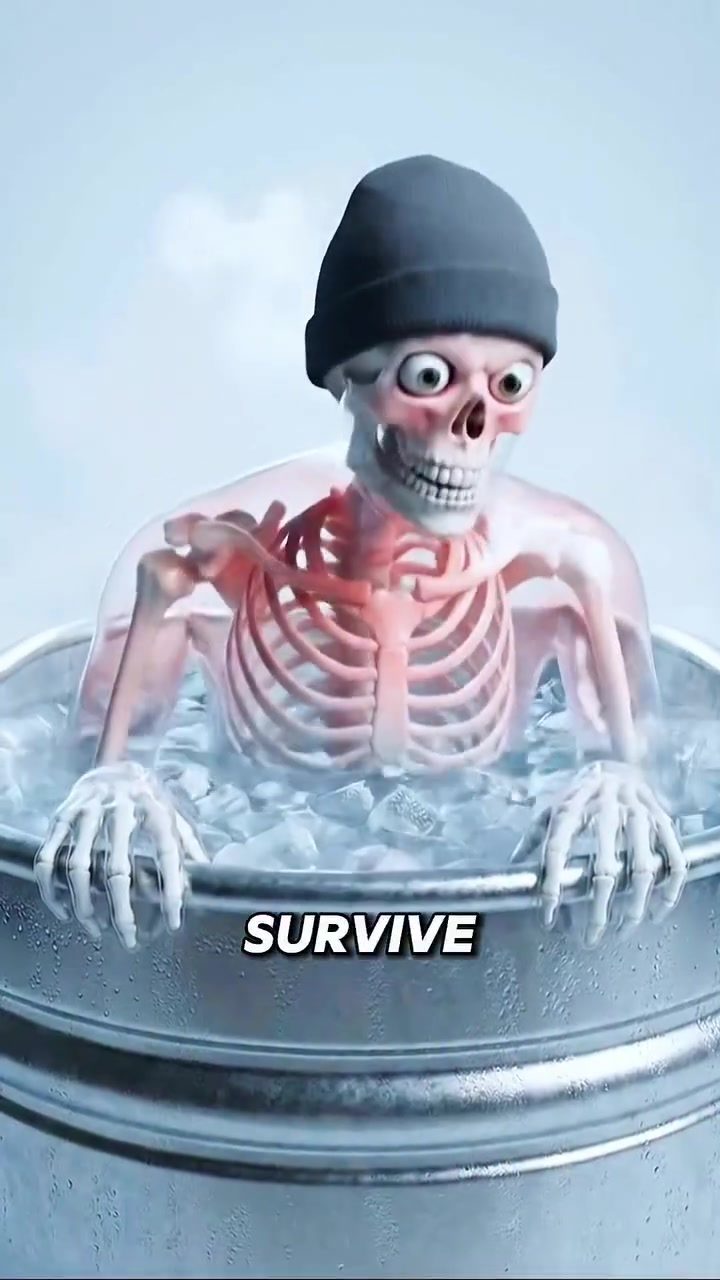
The Dangers of Prolonged Ice Bath Immersion
Ice baths have become popular for muscle recovery and performance enhancement. However, it is crucial to understand the physiological responses and risks associated with prolonged exposure to cold temperatures. The experience of being submerged in an ice bath can be harrowing and potentially dangerous.
Why this matters
Understanding how the body responds to extreme cold is vital for anyone considering ice baths for recovery or performance enhancement. The progression of physical and mental effects can be severe, and knowledge of these responses will help individuals make informed decisions and prioritize safety.
Main discussion
Immediate Effects: The Cold Shock Response
Within the first minute of immersion, the body experiences a sudden and intense reaction known as the cold shock response. This response is characterized by an immediate increase in heart rate and a feeling of suffocation, as the body tries to compensate for the shock by rapidly inhaling air. The heart rate spikes instantly, and your lungs may feel like they are clawing for air. This response is the body's way of trying to maintain core temperature and prevent hypothermia. The sudden intake of air can feel disorienting and alarming, especially for those not accustomed to the sensation.
15 Minutes: Shivering and Muscle Activity
After 15 minutes, the body's response shifts to more visible physical reactions. The skin turns a deep red due to increased blood flow to the surface. Shivering becomes violent as the body tries to generate heat through muscle activity. Teeth chattering is a common symptom as the body's metabolic rate increases to maintain warmth. Every muscle in the body starts to shake non-stop, as the body burns fuel to produce heat and combat the cold. This phase is energetically demanding and can lead to muscle fatigue and exhaustion if prolonged.
30 Minutes: Circulatory Adjustments
At the 30-minute mark, the body begins to make significant circulatory adjustments. Blood is diverted away from the extremities—arms and legs—to protect the core organs. This results in numbness and a loss of grip strength as the fingers and limbs receive less blood flow. The limbs may feel like frozen concrete weights, making movement difficult and coordination compromised. The body prioritizes keeping vital organs warm at the expense of peripheral tissues, which can lead to tissue damage if the exposure continues.
60 Minutes: Organ Failure and Cognitive Impairment
After an hour, the body's organs begin to fail as the core temperature continues to drop. Vision narrows into a dark, blurry tunnel, indicating decreased blood flow to the brain and eyes. A strange, fake warmth is felt as nerves shut down, and the body enters a state of paralysis. The heart struggles to pump blood that is becoming thick and viscous, leading to a weak and uneven heartbeat. One missed beat could signal the onset of cardiac arrest. The confusion and disorientation increase, making it nearly impossible to climb out of the ice bath alone.
120 Minutes: The Extreme Edge
At the two-hour mark, the body reaches a critical point. Unless specifically trained, like individuals following the Wim Hof method, the risks are extremely high. The core temperature drops so low that cells start to crystallize, leading to irreversible cellular damage. Coordination disappears, and brain activity fades to black, effectively rendering the individual unconscious and potentially leading to death. This phase is the point of no return for most people, emphasizing the extreme danger of prolonged ice bath immersion.
Practical tips
Extreme cold exposure is dangerous and should be approached with caution. Here are some practical tips to minimize risks:
- Supervise Ice Baths: Never attempt prolonged ice baths without proper supervision. For individuals like Wim Hof, who undergo extreme cold exposure training, supervision is crucial to ensure safety and readiness for potential emergencies.
- Monitor Time: Set a strict time limit for ice baths, typically no more than 10-15 minutes, to avoid the severe physiological effects that occur after 30 minutes.
- Warm Up Gradually: After exiting an ice bath, gradually warm up the body to prevent thermal shock and ensure a safe recovery.
- Stay Hydrated: Drink plenty of fluids before and after the ice bath to support the body's thermoregulation processes.
- Be Aware of Symptoms: Recognize the early signs of hypothermia, such as shivering, confusion, and disorientation, and act quickly to warm up the body.
Important takeaways
Prolonged ice bath immersion can lead to severe physiological responses, including cardiovascular strain, muscle fatigue, and cognitive impairment. The body's adaptation mechanisms, while initially effective, can quickly become maladaptive and hazardous. Proper supervision, strict time management, and gradual warming are essential to mitigate risks when using ice baths for recovery or performance enhancement. Training like the Wim Hof method, which involves specific breathing techniques and gradual cold exposure, can help individuals better tolerate extreme cold. However, even with training, caution and supervision remain paramount to ensure safety.
Conclusion
Ice baths can be a useful tool for recovery and performance enhancement, but they come with significant risks if not managed properly. Understanding the body's responses to extreme cold is essential for anyone considering ice baths. By being aware of the physiological effects and taking necessary precautions, individuals can minimize risks and safely incorporate ice baths into their routines.
Watch the Reel
Questions readers ask
What is the initial reaction of the body when submerged in an ice bath?
The body's immediate response to ice bath immersion is known as the cold shock response. This includes a sudden surge in heart rate, a feeling of breathlessness and gasping. This reaction is the body's way of trying to cope with the abrupt temperature change.
How does an ice bath affect the heart rate?
During an ice bath, the heart rate increases significantly due to the cold shock response. This increase is the body's attempt to maintain core temperature and distribute heat to the extremities. The heart rate will remain elevated until the body begins to acclimate to the cold.
What happens to blood flow during an ice bath?
Blood flow to the skin and extremities increases as the body tries to preserve heat in the core and maintain vital organ functioning. This response can cause skin to appear flushed or red. However, prolonged exposure to cold temperatures can eventually lead to vasoconstriction, which is the narrowing of blood vessels.
What is the recommended duration for an ice bath?
For muscle recovery, a duration of 10 to 15 minutes is typically recommended. However, it is crucial to monitor the body's responses and exit the bath if any adverse effects, such as severe shivering or confusion, are experienced. The risks of prolonged exposure should be considered carefully.
What are the signs of hypothermia during an ice bath?
Signs of hypothermia during an ice bath include intense shivering, confusion, drowsiness, and a decrease in heart rate. If any of these signs are present, it is important to exit the bath immediately and warm up the body gradually. Severe hypothermia can be life-threatening.
Can an ice bath help with muscle recovery?
Yes, ice baths can help with muscle recovery by reducing inflammation and swelling. However, it is important to consider the potential risks and individual tolerances. Proper timing and duration are crucial for maximizing the benefits and minimizing the risks associated with ice baths.
Recent articles
Fresh deep dives from the latest Reels we unpacked.




Comments
Be the first to comment.