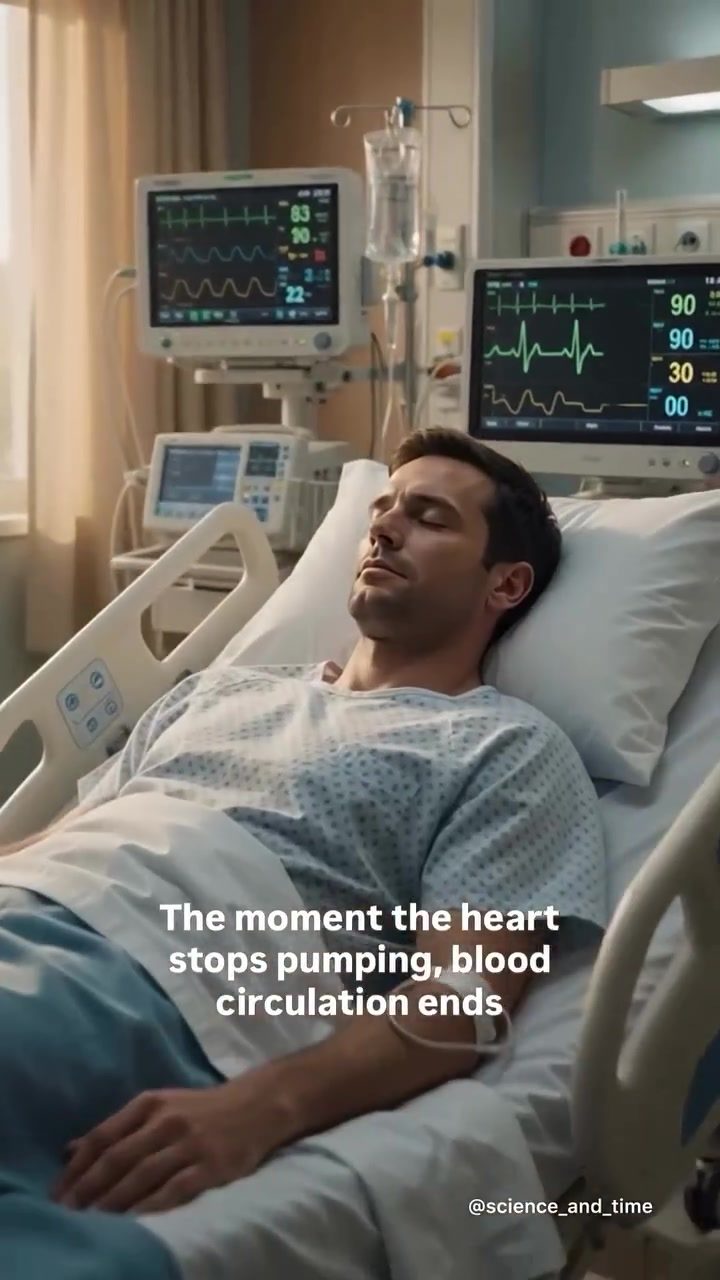
Physiology of Cardiac Arrest
Cardiac arrest is a life-threatening condition that occurs when the heart suddenly stops beating. The human body undergoes a series of remarkable changes once the heart stops pumping. Understanding the physiological processes that take place immediately after a cardiac arrest can provide valuable insights into what happens on a biological level.
Context / Why This Matters
When a person experiences cardiac arrest, the body's systems begin to shut down in a specific order. The initial changes occur within seconds, and subsequent effects continue over the next several minutes. Understanding these changes is crucial for medical professionals and anyone interested in the intricacies of the human body.
Main Discussion
Immediate Effects on the Brain
The brain is one of the first organs to be affected by a cardiac arrest. Within seconds, oxygen can no longer reach the brain, initiating a cascade of biological changes. Brain cells, which require a constant supply of oxygen to function, can no longer produce enough energy and electrical signals begin to fade across different regions. This rapid decline in brain function highlights the brain’s high oxygen demand and vulnerability to oxygen deprivation.
Cellular Changes
Even after blood circulation stops, not every cell shuts down immediately. For instance, muscle, skin, and liver cells can use their remaining energy supplies for a brief period. However, as cellular energy runs out, muscle fibers are unable to relax and gradually become stiff as the microscopic proteins inside each muscle remain locked together. These changes illustrate the body's struggle to maintain functionality in the absence of oxygen.
Organ Function
Ten minutes after the heart stops, the body is not completely shut down. Some individual cells remain briefly active, even though the organs have already stopped working together as a unified system. This disparity highlights how some parts of the body can maintain functionality longer than others, even in a state of no blood circulation. The ability of some cells to remain active underscores the resilience of the human body in critical situations.
Practical Tips
While the physiological changes that occur during cardiac arrest are complex, there are several practical steps that can be taken to improve outcomes:
CPR and Defibrillation
Performing cardiopulmonary resuscitation (CPR) and using a defibrillator can help restore blood circulation and heart rhythm. CPR maintains a small amount of blood flow to the brain and other vital organs, which can delay or even prevent some of the cellular changes and organ failure that occur during cardiac arrest.
Early Medical Intervention
Immediate medical intervention is crucial. Professional medical help should be sought as soon as possible. If you are in a situation where someone has experienced cardiac arrest, initiating CPR and calling emergency services can significantly improve the chances of survival.
Understanding the Time Frame
Being aware of the rapid onset of physiological changes can help in making quick decisions. The brain's vulnerability to oxygen deprivation means that every second counts. Rapid response can mitigate some of the immediate effects and increase the chances of a positive outcome.
Important Takeaways
- Cardiac arrest leads to a chain of biological changes inside the body, starting with the brain's inability to produce energy and electrical signals.
- Muscle, skin, and liver cells initially maintain functionality but eventually shut down.
- The body's systems do not shut down uniformly, with some cells remaining active longer than others.
- Early intervention, including CPR and defibrillation, can significantly improve outcomes.
Conclusion
The human body undergoes a series of dramatic changes during and immediately after a cardiac arrest. These changes, ranging from immediate effects on the brain to gradual cellular and organ shutdowns, highlight the body's complex response to oxygen deprivation. Understanding these physiological processes and taking quick, informed actions can make a significant difference in the outcome.
Watch the Reel
Questions readers ask
What are the first changes that occur in the body immediately after cardiac arrest?
Within seconds of cardiac arrest, the heart stops pumping blood, causing a sudden halt in blood circulation. This leads to a rapid depletion of oxygen to vital organs, with the brain being particularly vulnerable due to its high oxygen demand.
How does the brain react when the heart stops beating?
The brain relies heavily on a steady supply of oxygen. When the heart stops, the brain is almost immediately deprived of oxygen, leading to a loss of consciousness within seconds. Cellular changes begin to occur, with neurons becoming damaged and eventually dying if blood flow is not restored swiftly.
What happens to muscle cells during cardiac arrest?
Muscle cells, including those in the heart, begin to experience energy depletion once the heart stops beating. Without a constant supply of oxygen and nutrients, muscle cells start to fail, leading to potential organ damage and severe consequences if not treated promptly.
What physiological changes occur in the body within the first minute of cardiac arrest?
Within the first minute, the brain and heart begin to suffer significantly. The brain starts to experience irreversible damage, and the heart, if not restarted, will lead to a rapid decline in cellular function across the body. Other organs also begin to feel the effects of oxygen and nutrient deprivation.
Why is immediate CPR crucial after cardiac arrest?
Immediate CPR is essential because it manually pumps blood to keep oxygen circulating to vital organs, particularly the brain and heart. CPR can help maintain cellular function and delay the onset of severe, irreversible damage until more advanced medical interventions can be provided.
What are the long-term effects on the body if circulation is not restored within an hour of cardiac arrest?
If circulation is not restored within an hour, the body's organs, particularly the brain, will experience severe and likely irreversible damage. Brain cells are highly sensitive to oxygen deprivation and will begin to die off, leading to potential brain death and severe cognitive impairments if the individual survives.
Can the body recover from a cardiac arrest if treatment is given on time?
Yes, if treatment is provided swiftly, the body has a higher chance of recovery. Effective CPR and defibrillation within minutes can significantly improve survival rates and reduce the risk of long-term damage. The key is to restore blood flow to the brain and other vital organs as quickly as possible.
Related deep dives
Similar reads based on topic and creator.

Recent articles
Fresh deep dives from the latest Reels we unpacked.




Comments
Be the first to comment.