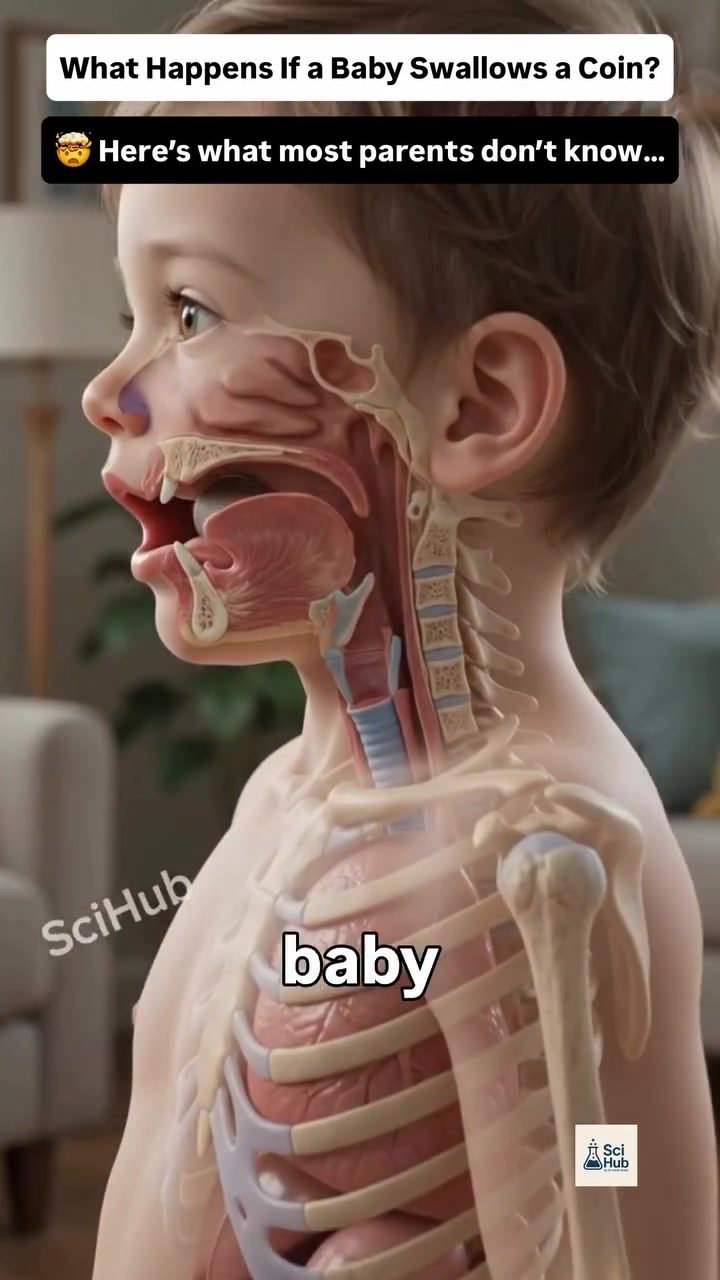
What Happens If a Baby Swallows a Coin
Swallowing small objects, like coins, is a common concern for parents with young children. The journey of a swallowed coin through the body can be both fascinating and concerning.
Why This Matters
Understanding the process and potential risks can help parents stay calm and informed. While most swallowed coins pass through the digestive system without issue, there are scenarios where medical intervention is necessary.
The Digestive Journey of a Swallowed Coin
The Path From Mouth to Stomach
When a baby swallows a coin, it typically travels down the esophagus, the food pipe that connects the mouth to the stomach. Gentle muscle contractions, known as peristalsis, push the coin towards the stomach. This process usually occurs without causing immediate harm. However, if the coin is large or becomes lodged in the esophagus, it can block the passage of food and air, leading to difficulty swallowing, vomiting, or even breathing problems. In such cases, it’s crucial to seek immediate medical attention.
From Stomach to Intestines
Once the coin reaches the stomach, it usually continues its journey through the intestines. Here, it is gradually propelled by the rhythmic contractions of the intestinal muscles. In most cases, the coin will pass out of the body naturally within a few days. The body's digestive process is remarkably effective at handling small, smooth objects like coins.
When Things Don’t Go as Planned
Sometimes, a coin can become stuck in the esophagus, making it difficult for the baby to swallow and causing discomfort. When this happens, a doctor can safely remove the coin using a special camera called an endoscope. Endoscopy is a minimally invasive procedure that allows doctors to visualize and retrieve the coin without causing further harm.
Important Signs to Look Out For
While most swallowed coins pass without issue, parents should be aware of signs that indicate a more serious problem. Seek immediate medical attention if the baby experiences:
- Difficulty swallowing
- Persistent vomiting
- Chest pain
- Excessive drooling
- Difficulty breathing
These symptoms can indicate that the coin is lodged in the esophagus and may require medical intervention.
Practical Tips for Parents
Preventing Incidents
Preventing a child from swallowing small objects is the best course of action. Keeping small items out of reach and supervising young children during playtime can significantly reduce the risk. Use safety gates, child locks, and monitor activities to ensure a safe environment.
Staying Informed
Knowing the potential risks and understanding the body’s natural processes can alleviate anxiety. Familiarize yourself with basic first-aid procedures and keep emergency contact information readily available.
When to Seek Medical Help
If a child shows any signs of distress after swallowing a coin, do not hesitate to seek medical help. Prompt intervention can prevent complications and ensure the coin is safely removed if necessary. Keep the number of your local poison control center and emergency services handy for quick reference.
Important Takeaways
Most swallowed coins pass through the digestive system naturally within a few days. However, it is crucial to recognize the signs of potential complications and seek medical attention when necessary. Endoscopy is a safe and effective method for removing coins that become lodged in the esophagus.
Conclusion
While the thought of a baby swallowing a coin can be alarming, understanding the physiological process and knowing when to seek help can provide peace of mind. By staying informed and being proactive, parents can ensure their child's safety and well-being.
Watch the Reel
Questions readers ask
What should I do if my baby swallows a coin?
If your baby swallows a coin, remain calm and monitor them for any signs of discomfort or difficulty breathing. Most coins will pass through the digestive system naturally. However, if the baby experiences vomiting, abdominal pain, or blood in the stool, seek immediate medical attention.
What are the signs that a coin might be stuck in my baby's body?
If a coin is lodged in the baby's esophagus or intestines, symptoms may include drooling, difficulty swallowing, vomiting, abdominal pain, or blood in the stool. If you notice any of these signs, contact a healthcare professional right away.
How long does it typically take for a swallowed coin to pass through a baby's system?
The time it takes for a coin to pass through a baby's digestive system can vary, but it usually takes around 24 to 48 hours. However, this can differ based on the baby's size, the size of the coin, and the baby's digestive health.
Can a coin cause damage to a baby's digestive system?
Most swallowed coins pass through the digestive system without causing harm. However, large coins or those with sharp edges can potentially cause damage, such as tears or blockages, particularly if they become lodged in the esophagus or intestines. If a coin is stuck, medical intervention is necessary.
When should I follow medical advice after my baby swallows a coin?
You should follow medical advice if your baby experiences any complications or if you suspect the coin is not moving through the digestive system. Do not wait if the baby shows signs of distress, such as severe abdominal pain, difficulty breathing, or blood in the stool. Seek immediate medical attention in such cases.
What precautions can I take to prevent my baby from swallowing a coin?
To prevent your baby from swallowing a coin, keep small objects out of reach and supervise playtime closely. Regularly check the environment for small items that could pose a choking hazard. Use safe storage solutions to keep coins and other small objects securely stored away from curious hands.
What happens if a coin gets stuck in the baby's intestines?
If a coin becomes lodged in the baby's intestines, it can cause a blockage or damage to the intestinal lining. Symptoms may include abdominal pain, vomiting, and blood in the stool. In such cases, immediate medical attention is necessary to remove the coin and prevent further complications. Surgery may be required to safely remove the lodged coin.
Related deep dives
Similar reads based on topic and creator.

Recent articles
Fresh deep dives from the latest Reels we unpacked.




Comments
Be the first to comment.