What Is a Dry Socket?
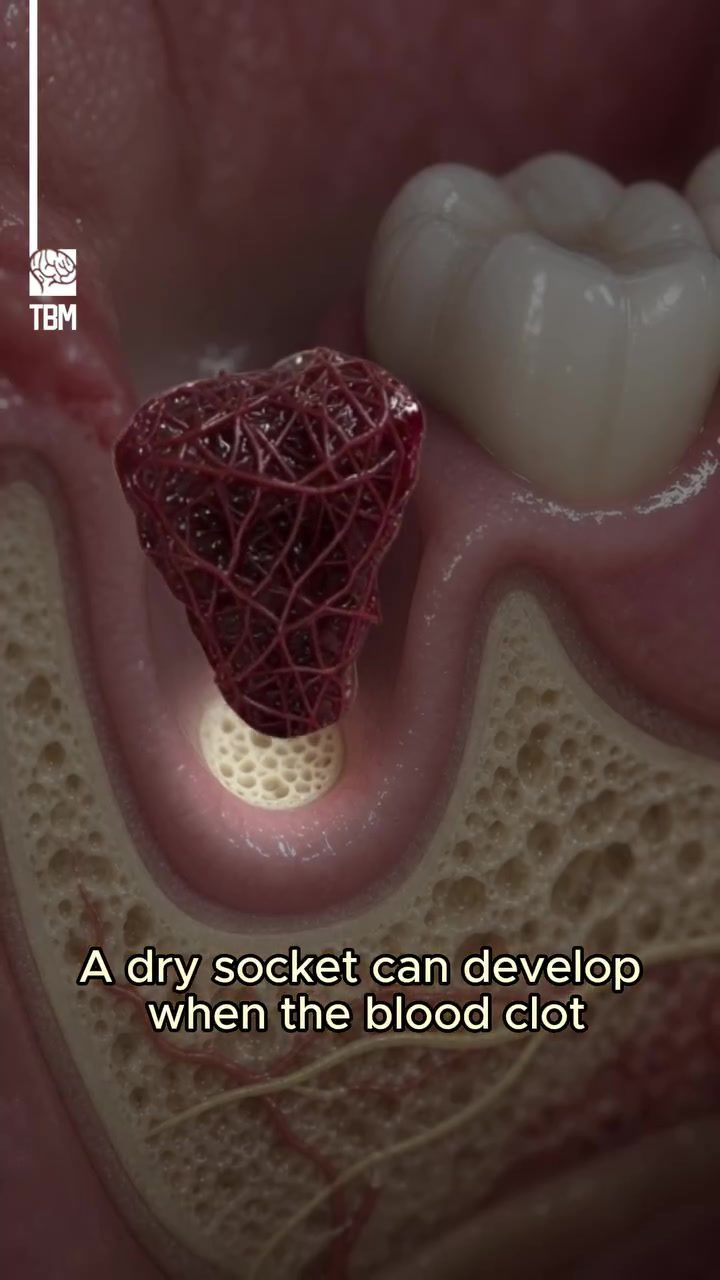
A dry socket is a painful complication that can occur after a tooth extraction, where the protective blood clot disintegrates too early, exposing the underlying bone and nerves. This condition can lead to significant discomfort and requires proper care to facilitate healing.
Why This Matters
Understanding what a dry socket is, what causes it, and how to manage it is crucial for anyone who has undergone or plans to undergo a tooth extraction. By being aware of the symptoms and the steps to take if a dry socket develops, you can ensure a smoother recovery process.
What is a Dry Socket?
A dry socket occurs when the blood clot that forms in the socket after a tooth extraction is lost prematurely. This blood clot is essential for protecting the bone and nerves underneath while new tissue grows to fill the socket. If the clot is dislodged or dissolved, the underlying bone and nerves are exposed, leading to pain and potential complications.
Causes of a Dry Socket
Several factors can contribute to the development of a dry socket:
Smoking
Smoking is a significant risk factor for dry sockets. The suction created when inhaling smoke can dislodge the blood clot, leaving the socket vulnerable.
Drinking Through a Straw
Similar to smoking, using a straw to drink can create suction that dislodges the blood clot. It's best to avoid using straws during the initial healing period.
Vigorous Rinsing
Rinsing the mouth too vigorously can also dislodge the blood clot. Gentle rinsing with warm salt water is recommended, but it should be done carefully to avoid disturbing the clot.
Other Factors
Sometimes, a dry socket can develop for no clear reason. Certain individuals may be more prone to this condition due to genetic factors, hormonal changes, or other underlying health conditions. The use of oral contraceptives may also increase the risk.
Symptoms to Watch For
Recognizing the symptoms of a dry socket is important for seeking timely treatment. Symptoms typically appear within two to four days after the tooth extraction and may include:
Pain
Intense, throbbing pain is the most common symptom of a dry socket. This pain can spread to the ear, jaw, or temple on the same side as the extraction site.
Bad Breath or Unpleasant Taste
A dry socket can sometimes cause bad breath or an unpleasant taste in the mouth. This is due to the exposure of the underlying bone and nerves, which can become infected if not treated properly.
Treatment Options
If a dry socket develops, it is essential to seek dental care promptly. A dentist can take several steps to help the area heal naturally:
Cleaning the Socket
The dentist will clean the socket to remove any debris or infected tissue. This helps to prevent further infection and promotes healing.
Applying a Medicated Dressing
A medicated dressing may be applied to the socket to promote healing and reduce pain. This dressing can help to protect the underlying bone and nerves while new tissue grows.
Pain Management
Pain management may include over-the-counter pain relievers or prescription medications, depending on the severity of the pain. Gentle rinsing with warm salt water can also help to alleviate discomfort and promote healing.
Practical Tips for Preventing a Dry Socket
While not always preventable, there are several steps you can take to reduce the risk of developing a dry socket:
Avoid Smoking
Refrain from smoking for at least 48-72 hours after a tooth extraction. The suction created by smoking can dislodge the blood clot.
Avoid Drinking Through a Straw
Avoid using straws for drinking during the initial healing period. The suction can dislodge the blood clot and increase the risk of a dry socket.
Gentle Rinsing
Rinse your mouth gently with warm salt water to keep the area clean and promote healing. Avoid vigorous rinsing that can disturb the blood clot.
Follow Post-Operative Instructions
Follow the post-operative instructions provided by your dentist carefully. This may include avoiding certain foods, not brushing or flossing near the extraction site, and taking prescribed medications.
Important Takeaways
A dry socket is a painful complication that can occur after a tooth extraction, but it can be managed effectively with proper care. By understanding the causes, symptoms, and treatment options, you can take steps to prevent a dry socket and ensure a smoother recovery.
Conclusion
A dry socket is a manageable complication of tooth extraction. By taking precautions and seeking timely treatment, you can minimize the risk and discomfort associated with this condition. If you experience symptoms of a dry socket, it is essential to contact your dentist promptly for appropriate care.
Watch the Reel
Questions readers ask
What are the most common causes of a dry socket?
The most common causes of a dry socket include smoking, vigorous rinsing or spitting, drinking through a straw, and not following post-extraction care instructions. These activities can dislodge the blood clot, leading to a dry socket.
How can I tell if I have a dry socket?
Symptoms of a dry socket typically include severe pain that radiates from the extraction site to your ear, eye, temple, or neck, along with a visible empty socket and bad breath or a foul taste in your mouth.
What should I do if I think I have a dry socket?
If you suspect you have a dry socket, contact your dentist or oral surgeon immediately. They can clean the socket and pack it with medicated dressing to promote healing and manage pain
How can I prevent a dry socket after a tooth extraction?
To prevent a dry socket, avoid smoking, drinking through a straw, and vigorous mouth rinsing for the first 24 hours. Follow your dentist's instructions for oral hygiene and pain management, and stick to soft foods.
What are some effective home remedies for dry socket pain relief?
To relieve dry socket pain, you can rinse your mouth with warm salt water, use over-the-counter pain relievers, and avoid hard or crunchy foods. Applying a cold compress to the outside of your mouth can also help alleviate discomfort.
How long does it take to heal from a dry socket?
Healing time for a dry socket varies, but it typically takes about 7-10 days. Following your dentist's instructions and maintaining good oral hygiene can help speed up the healing process.
Can a dry socket cause permanent damage?
A dry socket can cause significant discomfort and potentially lead to infections. However, it generally doesn't result in permanent damage if treated properly. Proper care and following your dentist's instructions can prevent complications.
Recent articles
Fresh deep dives from the latest Reels we unpacked.




Comments
Be the first to comment.