Anti-Aging Benefits of Weightlifting
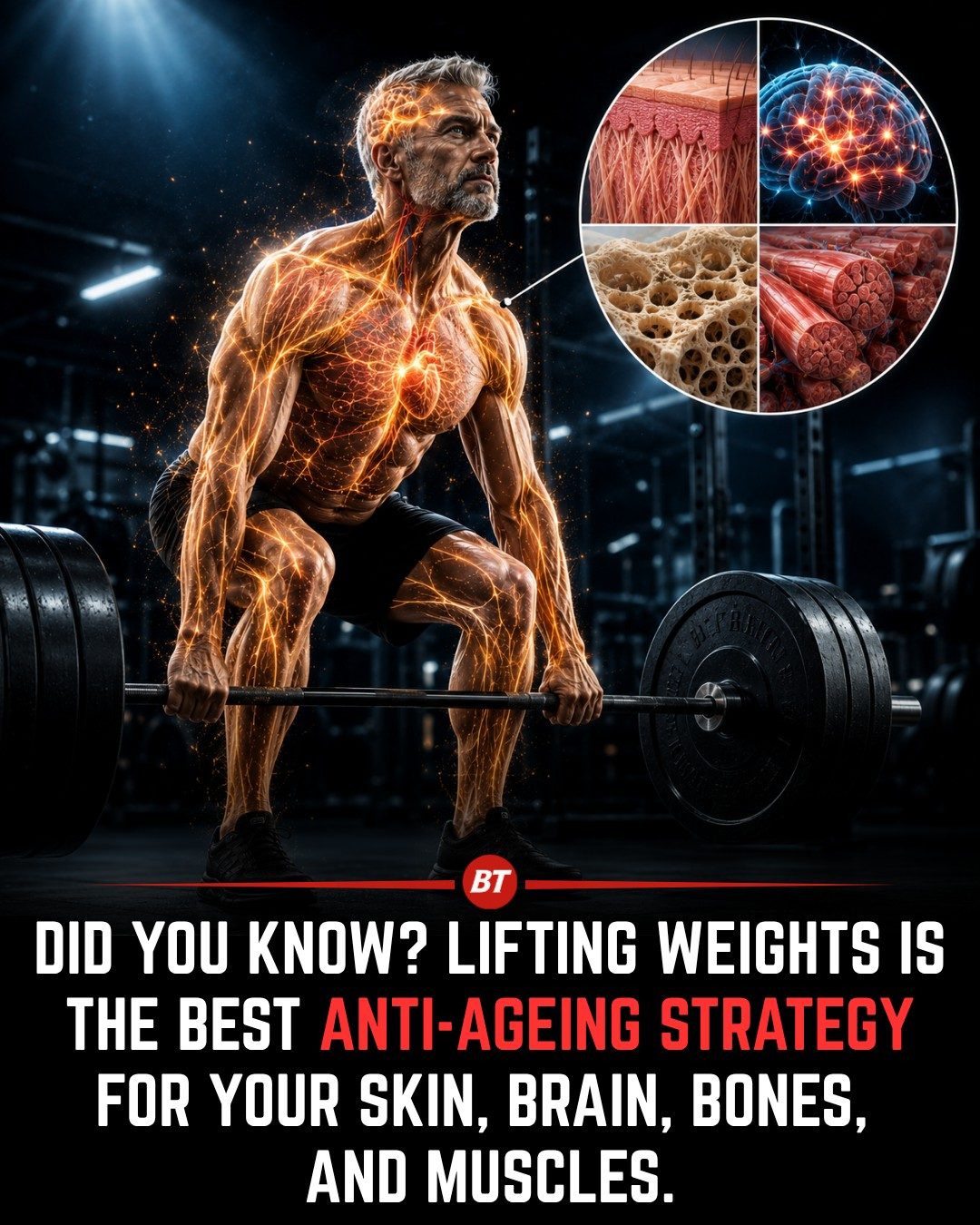
Weightlifting is commonly seen as a way to build muscle and increase strength. However, the benefits of lifting weights extend far beyond physical appearance. It's a powerful anti-aging strategy that can improve the health of your skin, brain, bones, and overall well-being.
Why This Matters
Aging is a natural process, but how we age can be influenced by our lifestyle choices. Resistance training, or weightlifting, is one of the most effective ways to combat the negative effects of aging.
The Science Behind Weightlifting and Anti-Aging
Myokines and Body Communication
When you lift weights, your muscles release signaling molecules called myokines. These molecules play a crucial role in regulating inflammation, supporting metabolism, and communicating with various organs, including the brain. This communication helps to maintain overall health and supports the body's natural repair and adaptation processes as you age.
Skin Health
One of the most surprising benefits of weightlifting is its impact on skin health. A 16-week study published in Scientific Reports found that middle-aged women who performed resistance training developed a thicker dermis—the deeper layer of the skin. This thicker dermis is associated with increased levels of biglycan, a protein that helps maintain skin firmness and structure. Additionally, strength training was found to reduce inflammatory signals associated with skin aging, suggesting that weightlifting can support healthier, more resilient skin from the inside out.
Bone Density and Muscle Mass
Resistance training also has a significant impact on bone health. Studies published in the Journal of Bone and Mineral Research have shown that lifting weights increases bone density. This is crucial for reducing the risk of fractures as we age. Furthermore, weightlifting helps to preserve lean muscle mass, which is essential for maintaining mobility, balance, and overall independence.
Cognitive Health
The benefits of weightlifting extend to cognitive health as well. Research has shown that strength training boosts brain-derived neurotrophic factor (BDNF), a protein that supports healthy neurons, memory, and learning. By increasing BDNF levels, weightlifting helps to maintain cognitive function and can even improve long-term memory and learning abilities.
Practical Tips for Incorporating Weightlifting into Your Routine
Full-Body Workouts
To maximize the anti-aging benefits of weightlifting, aim for 2-3 full-body strength-training sessions each week. Focus on compound movements that target multiple muscle groups, such as squats, presses, rows, and deadlifts. These exercises not only build muscle but also stimulate bone growth and support overall health.
Progressive Overload
To continue seeing improvements, gradually increase the weight or resistance over time. This principle, known as progressive overload, challenges your muscles and encourages them to adapt and grow stronger. Progressive overload will keep your workouts effective and help you see continuous progress.
Proper Form and Technique
Maintaining proper form is crucial for preventing injuries and ensuring that you are targeting the right muscles. If you are new to weightlifting, consider working with a fitness professional to learn the correct techniques for each exercise. Proper form will help you get the most out of your workouts and reduce the risk of injury.
Important Takeaways
Lifting weights is more than just a way to build muscle; it's a comprehensive anti-aging strategy. Here are some key takeaways:
- Resistance training triggers the release of myokines, which help regulate inflammation, support metabolism, and communicate with organs, including the brain.
- Weightlifting can improve skin health by thickening the dermis and increasing the levels of biglycan, a protein that maintains skin firmness and structure.
- Strength training increases bone density, reduces the risk of fractures, and preserves lean muscle mass, which is essential for maintaining mobility and independence.
- Weightlifting boosts brain-derived neurotrophic factor (BDNF), a protein that supports healthy neurons, memory, and learning, promoting better cognitive health.
Conclusion
Incorporating weightlifting into your fitness routine can have profound anti-aging benefits. From improving skin health to enhancing cognitive function, the advantages are clear. By focusing on full-body workouts, progressive overload, and proper technique, you can reap the rewards of a stronger, healthier body. Embrace this powerful anti-aging habit.
Watch the Reel
Questions readers ask
How does weightlifting help maintain skin health as we age?
Weightlifting promotes skin health by enhancing blood flow, which helps deliver essential nutrients and oxygen to the skin. Additionally, the release of myokines during resistance training can support skin cell regeneration, promoting a more youthful appearance.
What are the benefits of weightlifting for brain health in older adults?
Weightlifting has been shown to improve cognitive function and reduce the risk of age-related cognitive decline. It increases blood flow and oxygen to the brain, stimulates the production of neurotrophic factors, and enhances synaptic plasticity, contributing to better brain health.
How does weightlifting support bone health and prevent osteoporosis?
Weightlifting helps maintain and even increase bone density by exerting force on the bones, stimulating them to grow stronger. This is crucial for preventing conditions like osteoporosis and reducing the risk of fractures, especially in older adults.
Can weightlifting help with maintaining strength and mobility in old age?
Yes, weightlifting is ideal for maintaining strength and mobility as we age. Resistance training helps slow down muscle loss, improves balance, and enhances overall physical function, making daily activities easier and reducing the risk of falls.
What is the impact of weightlifting on overall well-being and longevity?
Weightlifting contributes to overall well-being and longevity by reducing the risk of chronic diseases, improving mental health, and enhancing the quality of life. Regular resistance training can help manage weight, boost metabolism, and promote better sleep, all of which support a healthier, more vibrant life.
Related deep dives
Similar reads based on topic and creator.




Recent articles
Fresh deep dives from the latest Reels we unpacked.




Comments
Be the first to comment.