Weight and Health Risks
Weight gain, particularly in the late teenage years and twenties, has been linked to a higher risk of premature death. Understanding this connection is crucial for young adults who may be navigating their health and wellness journey.
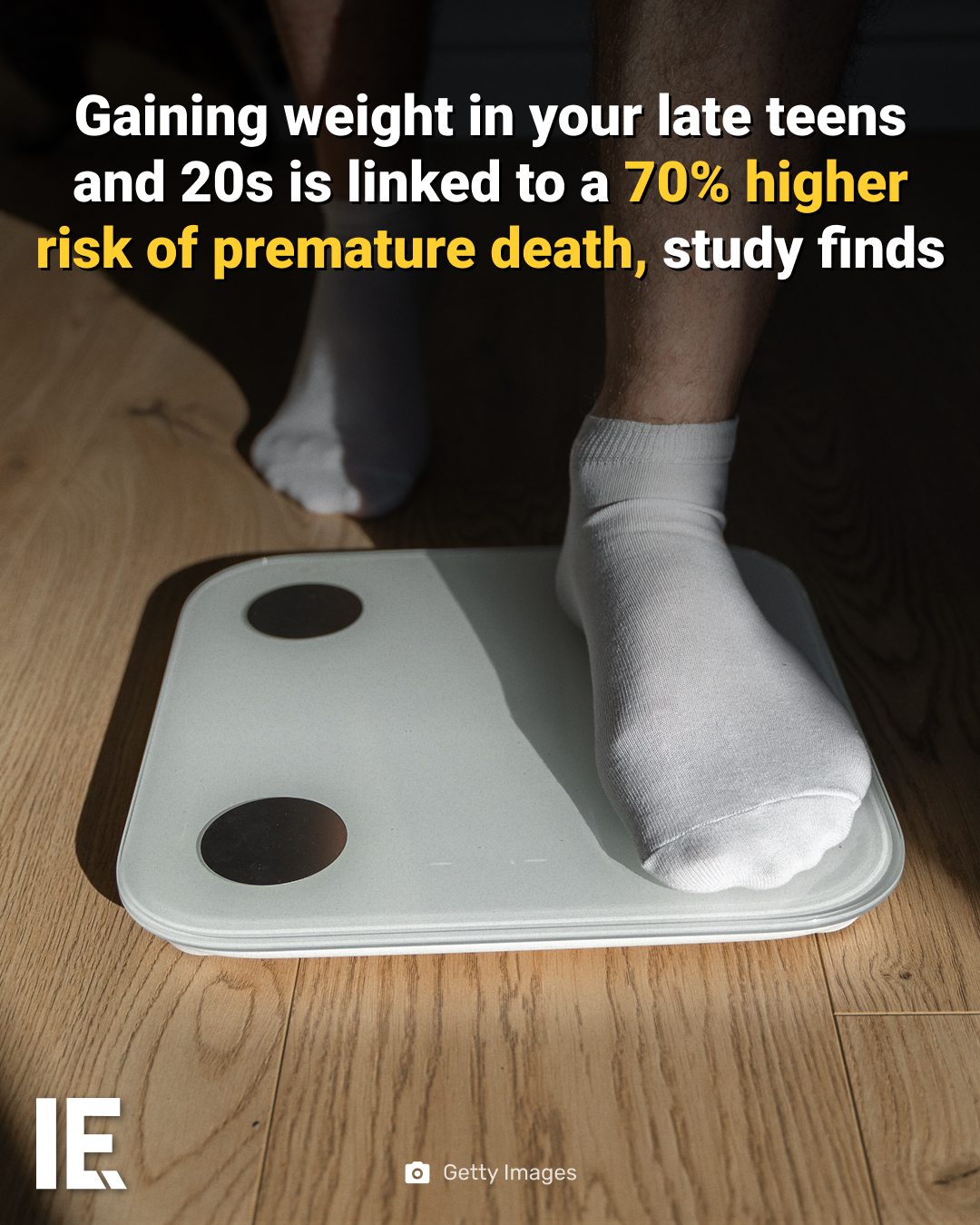
Developing obesity between the ages of 17 and 29 is associated with a 70% higher risk of premature death compared to individuals who maintain a healthy weight until the age of 60. This finding comes from a comprehensive study involving over 600,000 participants. The study, conducted by researchers at Lund University, highlights the significance of duration as a key factor. The longer an individual lives with obesity, the greater the cumulative biological toll on their health.
Why This Matters
The study's implications are far-reaching, underscoring the importance of maintaining a healthy weight, especially during the formative years. This period is critical as it sets the foundation for long-term health outcomes. The findings underscore the need for early intervention and preventive measures to mitigate the risks associated with obesity. Addressing weight management in young adults can significantly reduce the likelihood of developing chronic diseases later in life.
Main Discussion
The Link Between Obesity and Premature Death
The connection between obesity and premature death is well-documented, but the specific impact of weight gain during late adolescence and early adulthood is particularly alarming. The study emphasizes that the cumulative effects of obesity over time can lead to a higher risk of premature death. This period is crucial because it is often when lifestyle habits are established, and interventions at this stage can have a lasting impact.
Risk Factors and Health Outcomes
Several risk factors contribute to the higher likelihood of premature death among individuals who gain weight during their late teens and twenties. These include:
- Increased Risk of Chronic Diseases: Obesity is a known risk factor for chronic diseases such as heart disease, diabetes, and certain types of cancer. These conditions can significantly shorten life expectancy.
- Metabolic Syndrome: Young adults with obesity often develop metabolic syndrome, which includes high blood pressure, high blood sugar, excess body fat around the waist, and abnormal cholesterol levels. This syndrome increases the risk of heart disease, stroke, and type 2 diabetes.
- Mental Health Issues: Obesity can also lead to mental health issues, including depression and anxiety, which can further exacerbate health risks.
The Role of Duration
The duration of obesity is a critical factor in determining its impact on health. Researchers at Lund University found that the longer an individual lives with obesity, the greater the cumulative biological toll. This suggests that early intervention and sustained weight management are essential for mitigating the risks associated with obesity.
Practical Tips
To mitigate the risks associated with weight gain during late adolescence and early adulthood, consider the following practical tips:
Monitor Your Weight Regularly
Regularly monitoring your weight can help you stay on track with your health goals. Use a digital scale to keep track of your weight and make necessary adjustments to your lifestyle. Set realistic goals and work towards achieving them gradually.
Adopt a Balanced Diet
Eating a balanced diet rich in fruits, vegetables, lean proteins, and whole grains can help you maintain a healthy weight. Avoid processed foods and sugary drinks, which can contribute to weight gain.
Engage in Regular Physical Activity
Regular physical activity is essential for maintaining a healthy weight. Aim for at least 150 minutes of moderate-intensity or 75 minutes of vigorous-intensity aerobic activity per week. Incorporate strength training exercises to build muscle and boost your metabolism.
Seek Professional Help
If you're struggling to manage your weight, don't hesitate to seek professional help. A healthcare provider or a registered dietitian can provide personalized advice and support to help you achieve your health goals.
Important Takeaways
- Early Intervention: Addressing weight management in young adults can significantly reduce the likelihood of developing chronic diseases later in life.
- Regular Monitoring: Regularly monitoring your weight and making necessary adjustments to your lifestyle can help you stay on track with your health goals.
- Balanced Diet and Exercise: Eating a balanced diet and engaging in regular physical activity are essential for maintaining a healthy weight and reducing the risks associated with obesity.
- Professional Help: Seeking professional help can provide personalized advice and support to help you achieve your health goals.
Conclusion
The link between weight gain in late adolescence and early adulthood and premature death is a sobering reminder of the importance of maintaining a healthy weight. Early intervention and sustained weight management are crucial for mitigating the risks associated with obesity. By adopting a balanced diet, engaging in regular physical activity, and seeking professional help when needed, young adults can take control of their health and reduce the likelihood of developing chronic diseases later in life. The cumulative biological toll of obesity underscores the need for proactive measures to ensure long-term health and well-being.
Watch the Reel
Questions readers ask
How does weight gain in the 20s increase the risk of premature death?
Weight gain in the 20s is particularly impactful because it can lead to a longer duration of obesity, which increases the cumulative biological toll on the body. This prolonged exposure to obesity-related health issues elevates the risk of premature death significantly, especially when compared to those who maintain a healthy weight throughout their lives.
What are the key findings from the study conducted by Lund University?
The study found that developing obesity between the ages of 17 and 29 is linked to a 70% higher risk of premature death compared to those who maintain a healthy weight. The research emphasizes that the longer an individual lives with obesity, the greater the health risks, highlighting the importance of maintaining a healthy weight in early adulthood.
What are the specific health risks associated with weight gain in the late teens and early 20s?
Weight gain during the late teens and early 20s can lead to various health issues, including cardiovascular disease, diabetes, and certain types of cancer. These conditions, if left unaddressed, can increase the likelihood of premature death. Understanding these risks can motivate young adults to adopt healthier lifestyle habits.
How does the duration of obesity impact the risk of premature death?
The duration of obesity is crucial because the longer the body is exposed to obesity-related health issues, the greater the cumulative damage. This prolonged exposure can lead to more severe health complications and an increased risk of premature death. Therefore, maintaining a healthy weight from a young age is essential for long-term health benefits.
What steps can young adults take to prevent premature death linked to weight gain?
Young adults can help mitigate the risk of premature death by maintaining a healthy lifestyle that includes regular exercise, a balanced diet, and routine health check-ups. These habits can help prevent weight gain and reduce the likelihood of developing obesity-related health issues. It's also beneficial to stay informed about healthy living and to seek guidance from healthcare professionals.
How does weight gain in the 20s compare to weight gain in other decades in terms of health risks?
Weight gain in the 20s is particularly concerning because the body is still in a critical stage of development, and gaining weight during this period can lead to obesity that may persist for a longer time. This prolonged exposure to obesity-related health risks increases the likelihood of premature death. While weight gain at any age can be detrimental, the early onset of obesity in the 20s has more substantial long-term health consequences.
Related deep dives
Similar reads based on topic and creator.


Recent articles
Fresh deep dives from the latest Reels we unpacked.




Comments
Be the first to comment.