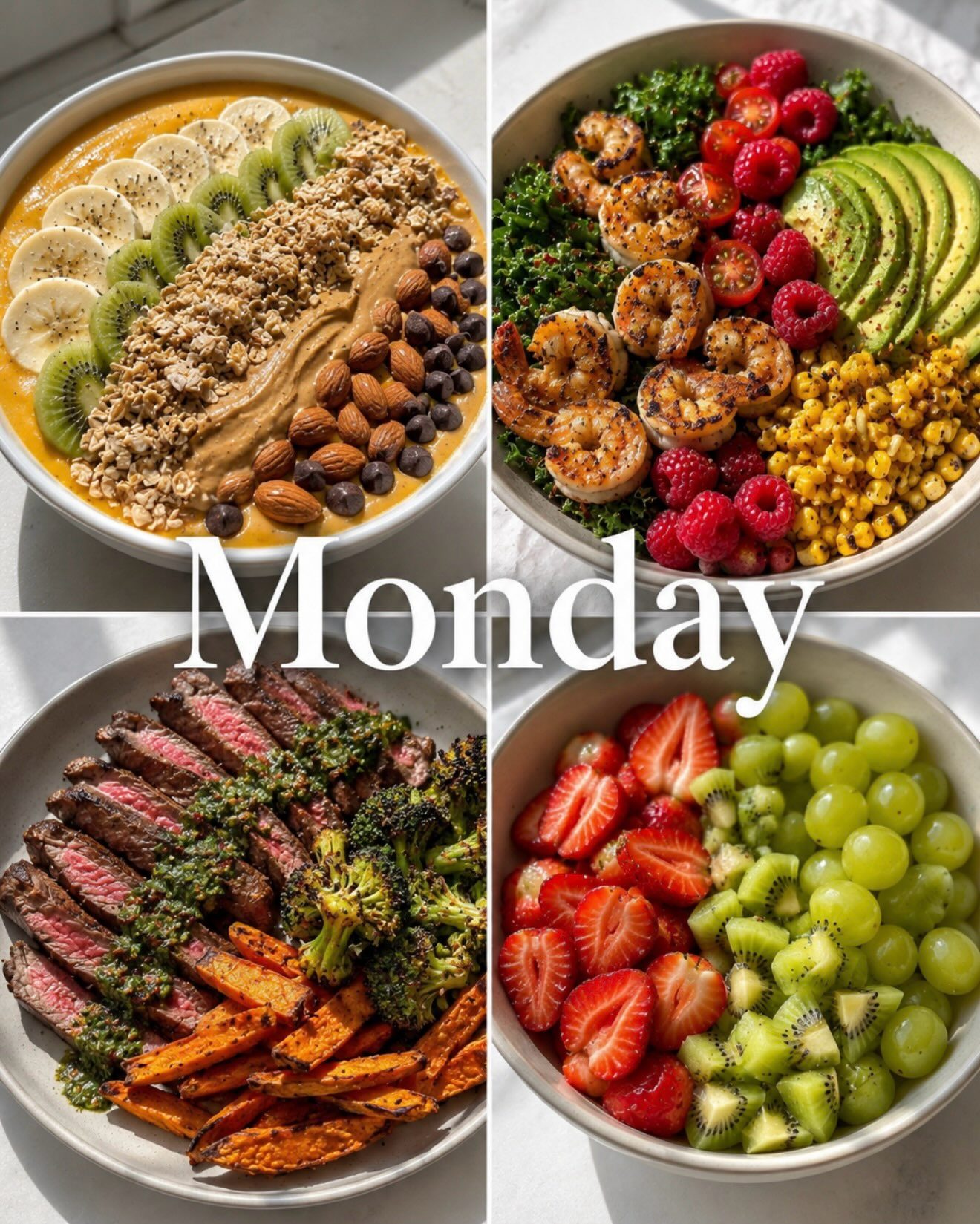
Healthy Meal Prep: Simplify Your Week with Delicious and Nutritious Meals
Every day, the question of "What should I eat today?" can be a source of stress and indecision. This is especially true when every meal becomes a last-minute choice, leading to convenience foods that often don't align with your health or fitness goals. The solution? A well-planned weekly meal prep routine. This approach not only saves time but also ensures that you're consistently eating foods that support your goals.
Why this Matters
Meal prep is more than just a trend; it's a practical strategy to combat decision fatigue. When every meal is pre-planned, you reduce the mental energy spent on deciding what to eat. This allows you to focus on the benefits of healthy eating without the daily struggle. Healthy eating isn’t just about counting calories. It’s about incorporating a variety of nutrients, maintaining a balanced diet, and ensuring that you enjoy what you eat. This variety helps you get a wider range of vitamins and minerals, making your meals more enjoyable and sustainable in the long run.
Meal prep can be a convenient way to eat healthy. A healthy eating lifestyle doesn’t mean eating the exact same foods every day. It’s about incorporating a variety of ingredients. Variety helps you get a wider range of vitamins and minerals while making your meals more enjoyable and sustainable. Including a variety of ingredients can be incorporated into meal prep bowls.
Main Discussion
The Benefits of Meal Prep
Meal prepping offers numerous benefits that go beyond just saving time. By planning your meals in advance, you ensure that you have nutritious food ready to go, which can help you avoid impulsive, unhealthy food choices. This approach also helps you stick to your dietary goals, whether they are related to weight management, muscle building, or simply maintaining a balanced diet.
Balancing Your Meals
A well-rounded meal plan should include a balance of nutrients to keep you full and satisfied throughout the day. Here's a breakdown of how you can structure your meals:
High-Protein Breakfasts
Starting your day with a high-protein breakfast can help keep you full longer, reducing the likelihood of snacking on unhealthy foods later in the day. Options can include scrambled eggs, Greek yogurt with berries, or a protein smoothie.
Colorful Lunches
Incorporating a variety of colorful vegetables and fruits into your lunches can ensure that you're getting a wide range of vitamins and minerals. Think salads packed with leafy greens, bell peppers, carrot, cucumber, and cherry tomatoes, paired with a lean protein like grilled chicken or tofu. Don’t forget healthy fats like avocado or a drizzle of olive oil.
Protein-Rich Dinners
Dinners should be designed to support recovery and muscle growth, especially if you’re physically active. Lean proteins like fish, chicken, or turkey are excellent choices, paired with complex carbohydrates like brown rice or quinoa, and a side of steamed vegetables.
Smart Snacks
Snacking doesn’t have to derail your progress if you choose wisely. Opt for snacks that are both satisfying and nutritious, such as apple slices with almond butter, a handful of mixed nuts, or a protein bar. These snacks can help curb cravings and keep your energy levels stable throughout the day.
Including Variety
Variety is key to maintaining a healthy and enjoyable diet. Meal prepping allows you to experiment with different flavors and ingredients, making each meal exciting and satisfying. You can keep it interesting by trying new recipes or swapping out ingredients to keep your taste buds happy and your nutrition on track.
Meal Prep Tips
Here are a few habits that make meal planning easier:
- Prep proteins and carbs in advance. Cooking proteins like chicken, fish, or tofu, and carbs like rice or quinoa, at the beginning of the week saves time and ensures you have the building blocks for multiple meals.
- Wash and chop fruits and vegetables ahead of time. Having prepped veggies on hand makes it quick and easy to toss together a healthy salad or stir-fry.
- Keep healthy snacks ready for busy days. Portion out nuts, fruits, and other healthy snacks so you have them at the ready when hunger strikes.
- Include foods you genuinely enjoy so you don’t feel restricted. Healthy eating should be enjoyable, so make sure to include your favorite foods in your meal plan.
- Follow the 80/20 rule—consistency beats perfection every time. Aim for 80% healthy choices and 20% flexibility. This approach allows for the occasional treat without feeling guilty.
Practical Tips
Setting Up a Meal Prep Routine
- Plan Ahead: Start by planning your meals for the week. Consider your schedule and choose meals that are easy to prepare in bulk. Make a grocery list based on your meal plan to ensure you have all the necessary ingredients.
- Choose a Prep Day: Designate one day a week as your meal prep day. Use this time to cook proteins, prepare grains, and chop vegetables. Store prepped ingredients in airtight containers in the fridge or freezer.
- Mix and Match: Keep your meals interesting by mixing and matching different proteins, grains, and vegetables. This not only prevents boredom but also ensures a varied intake of nutrients.
- Portion Control: Use portion-controlled containers to portion out your meals for the week. This helps to control calorie intake and prevents overeating.
- Stay Organized: Keep your meal prep ingredients and containers organized. Label and date your containers so you know what you have and when it needs to be consumed.
Meal Prep Bowls
Meal prep bowls are a versatile and convenient way to enjoy a balanced meal. They can be customized with a variety of ingredients to suit your taste preferences and dietary needs. Here’s a general guide to creating a meal prep bowl:
- Base: Start with a base of grains, such as brown rice, quinoa, or whole-wheat pasta.
- Protein: Add a source of protein, like grilled chicken, tofu, or fish.
- Vegetables: Include a variety of colorful vegetables. Think roasted sweet potatoes, bell peppers, broccoli, and spinach.
- Fruits: Enhance the bowl with a drizzle of avocado or berries, which adds a touch of sweetness and healthy fats.
- Toppings: Finish with a sprinkle of nuts, seeds, or herbs for added flavor and texture.
Important Takeaways
Meal prepping is a practical and effective way to ensure that you're eating healthily and consistently. By planning your meals in advance, you can save time, reduce decision fatigue, and maintain a balanced diet. Remember, healthy eating is about sustainability and enjoyment. Include a variety of nutrients and flavors to keep your meals interesting and enjoyable.
Conclusion
Incorporating meal prep into your routine can transform your eating habits and help you achieve your health and fitness goals. By planning your meals in advance, you can ensure that you have nutritious, balanced options ready to go. Focus on variety, portion control, and enjoying what you eat. With these strategies, you can make healthy eating a sustainable and enjoyable part of your lifestyle.
Watch the Reel
Questions readers ask
What are some easy meal prep ideas for beginners?
Start with simple recipes that include a protein source, whole grains, and plenty of vegetables. For example, grilled chicken with quinoa and steamed broccoli, or baked salmon with brown rice and a side salad. Prep meals for the week by cooking proteins and grains in bulk and portioning them out for each day.
How do I create a weekly meal plan that sticks?
To make weekly meal planning work, choose a day to plan and prep your meals, often a weekend day. Select a variety of meals to avoid boredom and include some of your favorite foods. Make a detailed grocery list based on your meal plan to ensure you have all the necessary ingredients and purchase in bulk to save time and money.
Can meal prepping help with weight loss?
Absolutely. Meal prepping helps control portion sizes and reduces impulsive, unhealthy food choices. By planning high-protein, nutrient-dense meals, you support your weight loss goals and reduce overall calorie intake and help maintain a healthy metabolism.
What are some high-protein meal prep ideas for fitness enthusiasts?
For those focused on fitness and muscle gain, consider meals like turkey chili, protein-packed smoothies, or grilled chicken with sweet potatoes and green beans. Include a variety of protein sources such as lean meats, fish, eggs, and plant-based proteins like lentils and tofu.
How can I make meal prep snacks for busy days?
Prep snacks in advance by making individual portions of nuts, fruits, and vegetables. Yogurt parfaits, hummus with veggie sticks, and hard-boiled eggs are also excellent choices. Store these snacks in convenient containers so you can grab them quickly when you're on the go.
What are the benefits of meal prepping for reducing fatigue?
Meal prepping reduces decision fatigue by eliminating the daily stress of choosing what to eat. With a plan in place, you ensure you're eating nutritious, balanced meals that provide sustained energy throughout the day. This routine helps maintain consistent energy levels and keeps you focused on your goals.
How do I prep meals for the week without getting bored?
To keep meals interesting, experiment with different cuisines and ingredients. For example, try different flavors and spices, or switch up your protein sources. Rotate your meal plan weekly to ensure variety and excitement. Incorporate new recipes regularly to keep your taste buds happy and maintain your enthusiasm for meal prepping.
Recent articles
Fresh deep dives from the latest Reels we unpacked.




Comments
Be the first to comment.