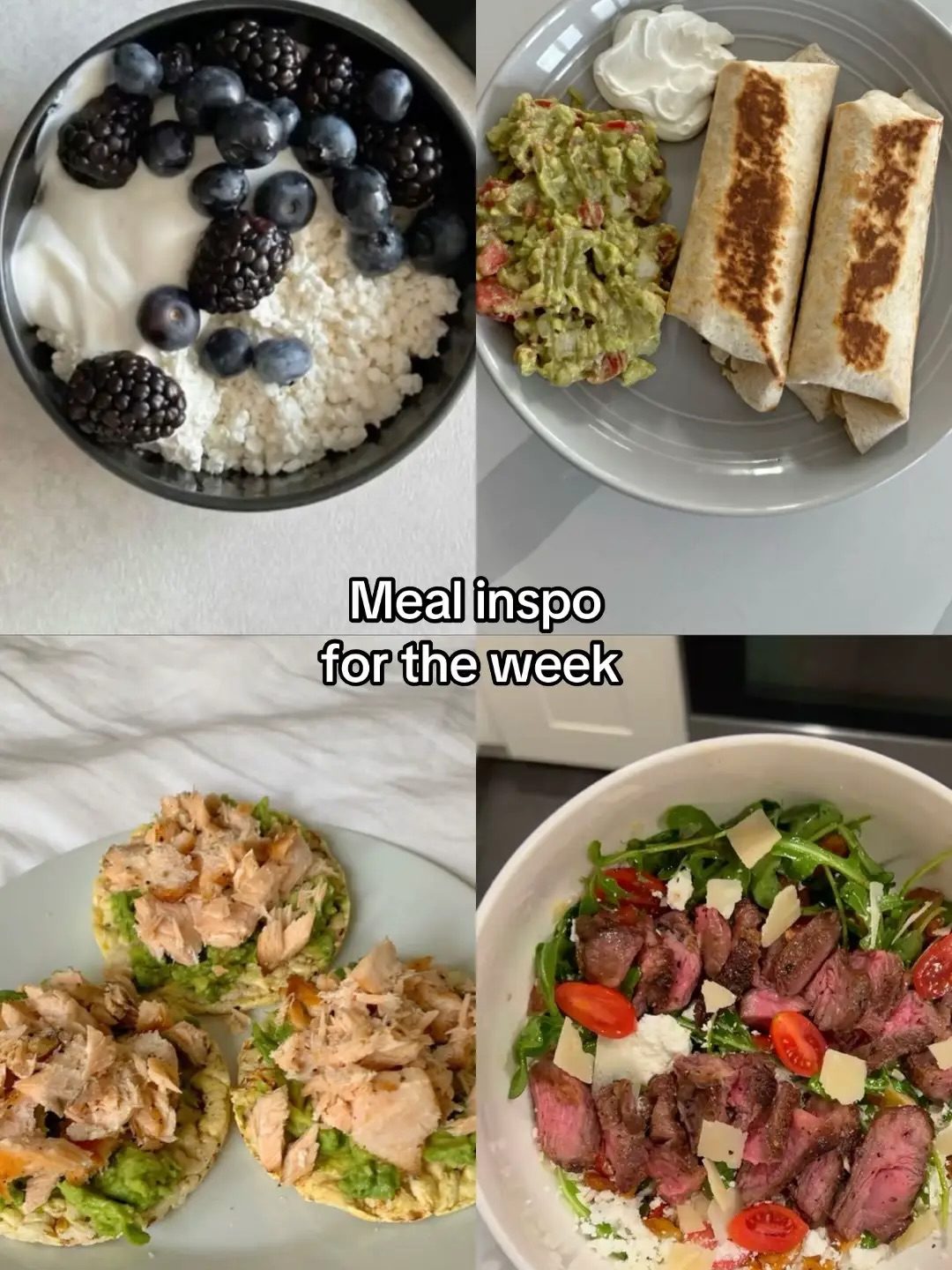
Meal Inspiration for the Week
Eating well doesn’t have to mean eating boring, bland meals. It's possible to enjoy a balanced, realistic diet that supports your active lifestyle without sacrificing enjoyment. The key is to focus on a mix of protein, carbohydrates, healthy fats, and a variety of fruits and vegetables. These components fuel your workouts, maintain your energy, and provide essential nutrients.
Why This Matters
Maintaining a balanced diet is essential for overall health and fitness. Smart meal planning ensures you get the nutrients you need to perform at your best and recover effectively. By incorporating a variety of nutrient-dense foods, you can keep your meals interesting and sustainable.
Main Discussion
Balancing Protein, Carbs, and Fats
To maintain energy levels and support muscle recovery, it’s important to include a balance of macronutrients in your meals. Protein is crucial for muscle repair and growth, particularly if you’re engaging in regular workouts. Lean protein sources like chicken, beef, and salmon are excellent choices. Carbohydrates provide the energy needed for workouts and daily activities, while healthy fats contribute to satiety and overall health. When planning your meals, aim for a balance of these nutrients to support your fitness goals.
Incorporating Fruits and Vegetables
Fruits and vegetables are packed with essential vitamins, minerals, and fiber. They add vibrancy and variety to your meals, making them more enjoyable. For example, a breakfast smoothie with spinach, berries, and a scoop of protein powder can be a nutritious and delicious way to start the day. For lunch, a salad with grilled chicken, mixed greens, and a variety of colorful vegetables can provide a satisfying meal. Dinner options might include a stir-fry with tofu, bell peppers, and brown rice.
Meal Ideas for Each Day of the Week
Meal planning can help you stay on track and avoid the temptation of unhealthy choices. Here are some meal ideas to inspire you for the entire week:
-
Monday: Start the week with a protein-packed breakfast like Greek yogurt with granola and mixed berries. For lunch, a turkey and avocado wrap with whole-grain bread can keep you energized. Dinner could be a grilled salmon fillet with quinoa and steamed broccoli.
-
Tuesday: On Tuesday, try a breakfast smoothie with spinach, banana, and almond milk. For lunch, a quinoa salad with grilled vegetables and chickpeas can be a satisfying option. Dinner could feature a chicken stir-fry with mixed vegetables and brown rice.
-
Wednesday: Wednesday calls for a hearty breakfast of whole-grain toast with avocado and a poached egg. Lunch could be a tuna salad with mixed greens and cherry tomatoes. For dinner, baked lemon herb chicken with a side of roasted sweet potatoes and green beans.
-
Thursday: Thursday’s breakfast could be a protein-packed oatmeal with almond butter, chia seeds, and sliced fruit. For lunch, a lentil soup with a side of whole-grain bread. Dinner could include a vegetable and tofu stir-fry with brown rice.
-
Friday: For Friday, try a breakfast burrito with scrambled eggs, black beans, and bell peppers. Lunch could be a quinoa and vegetable stir-fry. For dinner, a grilled steak with a side of mixed greens salad and roasted vegetables.
-
Saturday: On Saturday, start with a breakfast of whole-grain pancakes topped with fresh fruit and a dollop of Greek yogurt. For lunch, a grilled chicken and avocado wrap with whole-grain bread. Dinner could feature a baked salmon fillet with quinoa and steamed asparagus.
-
Sunday: On Sunday, try a breakfast smoothie with kale, banana, and almond milk. For lunch, a turkey and vegetable wrap with whole-grain bread. Dinner could include a grilled chicken breast with a side of roasted sweet potatoes and green beans.
The Importance of Variety
Variety is key to maintaining a balanced diet. Including a range of foods in your meals keeps things interesting and ensures you get a wide array of nutrients. Try mixing and matching different proteins, grains, and vegetables to create new and exciting meals. This can help prevent boredom and make it easier to stick to your meal plan.
Practical Tips
-
Prepare in advance: Planning and preparing your meals in advance can save time and prevent impulsive, unhealthy choices. Set aside a few hours each week to meal prep and portion out your meals for the week.
-
Stay flexible: Life happens, and sometimes your meal plan might not go as intended. Be flexible and adaptable. If you miss a meal or eat something off-plan, don't dwell on it. Get back on track with your next meal.
-
Focus on sustainability: Focusing on sustainability rather than perfection helps ensure that your meal plan is something you can stick to long-term. Choose foods you enjoy and that support your goals.
-
Listen to your body: Pay attention to what your body needs. If you feel sluggish or fatigued, it might be a sign that you need to adjust your meal plan to better support your energy levels.
Important Takeaways
Incorporating a variety of nutrient-dense foods into your meals can support your fitness goals and overall health. By balancing protein, carbohydrates, healthy fats, and fruits and vegetables, you can create meals that are both satisfying and nutritious. Focus on sustainability over perfection and use these meal ideas as a starting point to create a custom meal plan that works for you.
Conclusion
Eating well doesn’t have to be boring. With a balanced approach that includes a variety of nutrient-dense foods, you can support your fitness goals and enjoy delicious meals. Consistency is key, so choose meals that you enjoy and can stick to long-term. Experiment with different flavors and combinations to keep things interesting and maintain a healthy, sustainable diet.
Watch the Reel
Questions readers ask
How can I ensure my weekly meal plan includes all necessary nutrients?
To create a balanced weekly meal plan, focus on incorporating a mix of protein, carbohydrates, and healthy fats in each meal. Include a variety of fruits and vegetables to add essential vitamins and minerals. Planning meals that include lean proteins like chicken or tofu, whole grains, and colorful produce can help maintain a well-rounded diet.
What are some easy healthy meal ideas for a busy schedule?
Opt for simple, nutritious meal ideas such as overnight oats with fruits and nuts for breakfast, quinoa salads with grilled chicken for lunch, and baked salmon with sweet potato and steamed broccoli for dinner. Prepping ingredients in advance can save time and keep you on track.
How do I create a healthy eating plan for an active lifestyle?
To support an active lifestyle, focus on meals that provide sustained energy and support muscle recovery. Include protein-rich foods like eggs, fish, and legumes, along with complex carbohydrates like whole grains and starchy vegetables. Healthy fats from sources like avocados and nuts can also enhance nutrient absorption and support overall health.
What are some fitness meals for a week that are both nutritious and satisfying?
Balanced diet meals for fitness enthusiasts can include grilled turkey wraps with avocado and veggies for lunch, lentil soups with a side of whole-grain bread for dinner, and Greek yogurt parfaits with mixed berries for breakfast. Snack on nuts, fruits, and hard-boiled eggs to keep energy levels steady throughout the day.
How can I prepare meals in advance to save time on weekly meal prep?
Meal prep can be simplified by dedicating a few hours each week to chop vegetables, cook proteins, and portion out snacks. Store ingredients in containers for easy grab-and-go meals. For example, prep grilled chicken, quinoa, and roasted vegetables for quick assembly during the week.
What are some nutritious meal ideas for workouts that are easy to digest?
Choose meals that are easily digestible and provide a good balance of carbs and protein, such as a smoothie with a scoop of protein powder, a banana, and almond milk. Rice cakes with peanut butter and a sliced banana or a turkey and cheese sandwich on whole-grain bread are also good options.
How can I maintain a balanced diet for athletes with varied tastes?
To keep a balanced diet interesting for athletes, rotate through different protein sources like beef, fish, and plant-based options, and experiment with various cooking methods. Incorporate different fruits and vegetables in salads, stir-fries, and soups to ensure a varied intake of essential nutrients and keep meals exciting.
Recent articles
Fresh deep dives from the latest Reels we unpacked.




Comments
Be the first to comment.