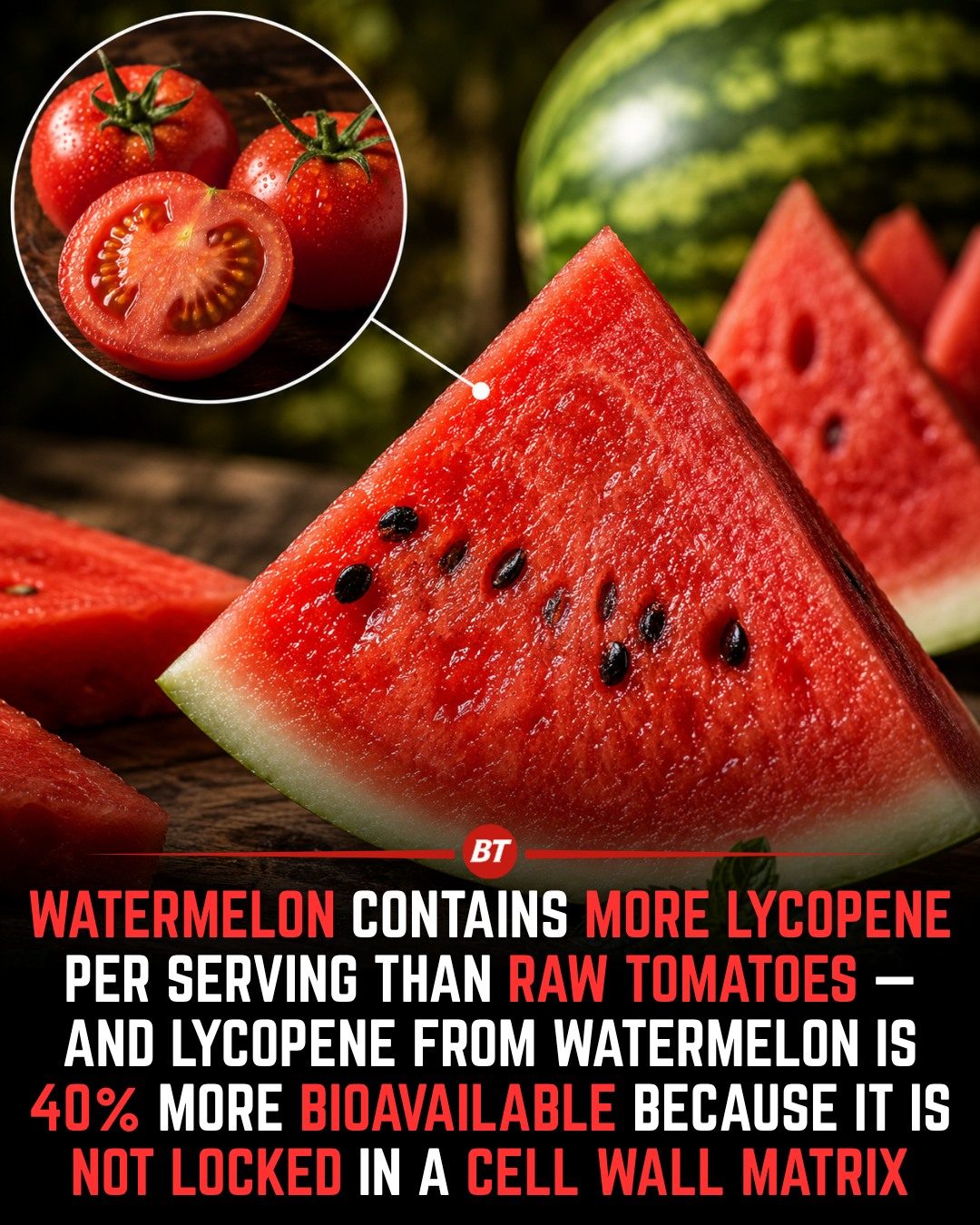
Watermelon vs. Tomatoes: The Lycopene Showdown
Watermelon, often celebrated for its refreshing qualities, is also a powerhouse of lycopene. This red carotenoid antioxidant is renowned for its role in supporting heart health, promoting healthy aging, protecting the skin, and maintaining prostate health.
Context / Why this matters
Lycopene is a powerful antioxidant, and it's often associated with tomatoes. However, watermelon offers a comparable, if not higher, amount of lycopene per serving. Understanding the lycopene content and bioavailability in these fruits can help you make informed decisions about your diet.
Main discussion
Lycopene Overview
Lycopene is a type of carotenoid that gives fruits and vegetables their vibrant red color. It is known for its antioxidant properties, which help to neutralize free radicals in the body. Free radicals are unstable molecules that can damage cells and contribute to chronic diseases.
Watermelon: A Rich Source of Lycopene
Watermelon is often overlooked as a source of lycopene, but it contains a significant amount. In fact, ripe watermelon can provide comparable or even higher amounts of lycopene per serving, depending on the variety and ripeness.
Bioavailability of Lycopene in Watermelon
One of the key advantages of lycopene in watermelon is its bioavailability. The lycopene in watermelon is 40% more bioavailable than that in raw tomatoes. This is because the lycopene in watermelon is not locked in a cell wall matrix, making it easier for the body to absorb. Additionally, watermelon requires little breakdown during digestion, allowing this antioxidant to become available without cooking or heavy processing.
Tomatoes: The Traditional Source of Lycopene
Tomatoes are often considered the go-to source for lycopene. They are a rich source of this antioxidant, and their lycopene content increases with cooking. However, the bioavailability of lycopene in tomatoes is lower compared to watermelon. Tomatoes' cell wall matrix makes it harder for the body to absorb the lycopene.
Practical tips
Incorporating Watermelon into Your Diet
To reap the benefits of lycopene from watermelon, consider the following tips:
- Eat Fresh Watermelon: Enjoy fresh watermelon on its own. Its juicy and refreshing nature makes it a perfect snack.
- Pair with Healthy Fats: Since lycopene is fat-soluble, consuming it with a small amount of fat may enhance its absorption. Pair watermelon with healthy fats such as feta cheese, nuts, or seeds.
- Add to Salads: Incorporate watermelon into salads for a refreshing twist. The combination of watermelon, feta, and mint is a classic and delicious option.
Enhancing Lycopene Absorption
- Cooking Tomatoes: If you prefer tomatoes, consider cooking them to increase the bioavailability of lycopene. Cooking breaks down the cell walls, making the lycopene more accessible.
- Pairing with Fat: Similar to watermelon, pairing tomatoes with a source of healthy fat can enhance lycopene absorption.
Important takeaways
- Watermelon is a rich source of lycopene and may even contain more per serving than raw tomatoes.
- The lycopene in watermelon is 40% more bioavailable than that in raw tomatoes, making it easier for the body to absorb.
- Lycopene is a powerful antioxidant that supports heart health, healthy aging, skin protection, and prostate health.
- Incorporating watermelon into your diet is an easy and refreshing way to boost your lycopene intake.
Conclusion
Watermelon is more than just a refreshing fruit; it's a nutrient-dense powerhouse of lycopene. Its high bioavailability and delicious taste make it a great addition to your diet. Whether you enjoy it on its own or pair it with healthy fats, watermelon offers a wealth of health benefits that go beyond its hydrating qualities. So, the next time you reach for a tomato-based dish, consider giving watermelon a try as well.
Watch the Reel
Questions readers ask
What is lycopene and why is it important for health?
Lycopene is a red carotenoid antioxidant that contributes to the vibrant color in fruits and vegetables. It's important for health because it supports heart health, promotes healthy aging, and protects the skin and prostate. It's also beneficial for maintaining overall well-being.
How does the lycopene content in watermelon compare to that in tomatoes?
Watermelon offers a comparable, if not higher, amount of lycopene per serving compared to tomatoes. This makes watermelon a significant source of this beneficial antioxidant.
What are the benefits of consuming lycopene-rich foods like watermelon?
Consuming lycopene-rich foods like watermelon can support heart health, promote healthy skin, and aid in maintaining prostate health. Additionally, it contributes to overall well-being and supports healthy aging.
Why is the bioavailability of lycopene in watermelon considered high?
The bioavailability of lycopene in watermelon is high because the body can easily absorb and utilize this nutrient from watermelon. This allows the body to gain the full benefits of lycopene when consuming watermelon.
What are some additional benefits of consuming raw watermelon?
Raw watermelon is not only a great source of lycopene, but it also provides hydration, contains essential vitamins and minerals, and supports overall health and well-being. It is a refreshing and nutritious addition to the diet.
Can cooking improve the lycopene content in watermelon?
Unlike tomatoes, cooking does not significantly improve the lycopene content in watermelon. The lycopene in watermelon is readily available and bioavailable in its raw form, making it an excellent choice for summer salads and snacks.
How can I incorporate more lycopene-rich foods into my diet?
You can incorporate more lycopene-rich foods into your diet by enjoying foods like watermelon, tomatoes, and red-colored fruits and vegetables. Try incorporating these fruits and vegetables into your meals, snacks, and drinks.
Related deep dives
Similar reads based on topic and creator.




Recent articles
Fresh deep dives from the latest Reels we unpacked.




Comments
Be the first to comment.