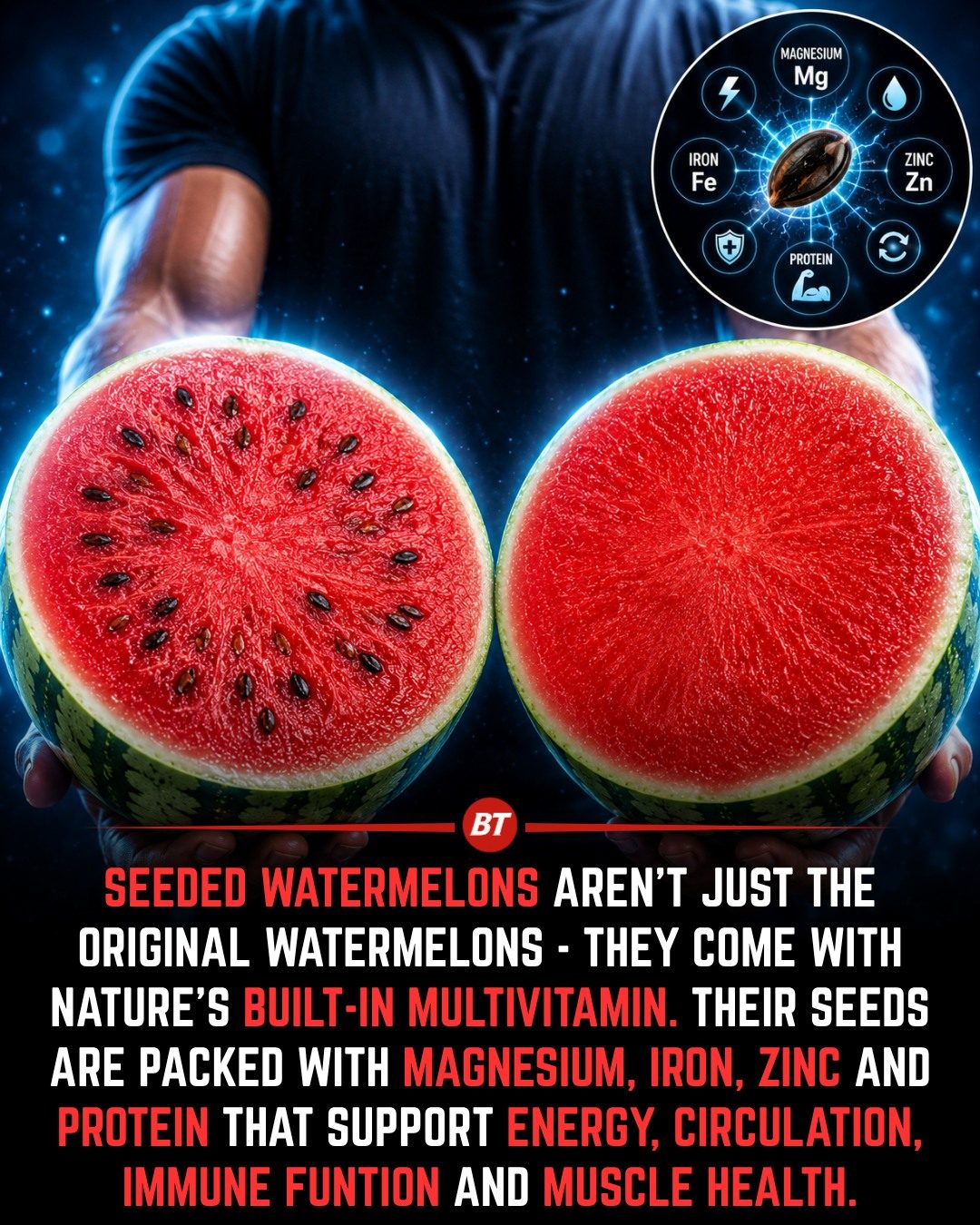
Seeded Watermelons: Natural Multivitamins
Watermelons are a common summer fruit — juicy, refreshing, and flavorful. However, the nutritional value of their seeds is frequently overlooked. Seeded watermelons are more than just a refreshing treat; they are packed with essential nutrients that support various aspects of health.
Context / Why this matters
The seeds of watermelons are a rich source of magnesium, iron, zinc, protein, and healthy fats. These nutrients contribute to energy production, muscle function, immune health, and overall wellness. Once rinsed, dried, and roasted, seeds provide a crunchy, protein-rich snack that can be sprinkled over salads, yogurt, or oatmeal.
Why Watermelon Seeds are Nutritionally Rich
The nutritional benefits of watermelon seeds can be traced to several essential nutrients.
Magnesium
Magnesium is crucial for normal muscle contractions, nerve function, and hundreds of enzyme reactions. By incorporating watermelon seeds into your diet, you can help support these vital processes.
Iron
Iron plays a critical role in transporting oxygen throughout the body, which is essential for maintaining healthy energy levels. Watermelon seeds are a good source of iron, making them an excellent addition to a balanced diet.
Zinc
Zinc is a mineral that is essential for immune function, wound healing, and healthy skin. Watermelon seeds are an excellent source of zinc, providing your body with this critical nutrient.
Protein
Watermelon seeds contain plant protein, which is essential for building and repairing tissues in the body. By incorporating these seeds into your diet, you can support muscle health and overall well-being.
Healthy Fats
In addition to the nutrients listed above, watermelon seeds contain healthy fats that support heart health and overall diet quality. These fats are essential for maintaining healthy blood vessel function and circulation.
Practical tips
To reap the benefits of watermelon seeds, consider the following tips:
Roasting Watermelon Seeds
Roasting watermelon seeds is a simple process. Rinse and dry the seeds, then roast them in the oven at 325°F (163°C) for about 15-20 minutes. You can season them with a pinch of sea salt or your favorite spices for added flavor.
Incorporating Seeds into Your Diet
Once roasted, watermelon seeds can be sprinkled over salads, yogurt, or oatmeal. You can also enjoy them as a protein-rich snack.
Important takeaways
Nutritional Value of Watermelon Seeds
Seeded watermelons are more than just a refreshing summer treat. They are a natural source of essential nutrients that support various aspects of health. From magnesium and iron to zinc and protein, the seeds of a watermelon are packed with nutrients that can benefit your body.
Hydration and Nutrition
The watermelon itself is over 90% water, making it an excellent source of hydration. The seeds, on the other hand, provide a concentrated source of nutrition, making the entire watermelon a valuable addition to a balanced diet.
Overall Health Benefits
By incorporating watermelon seeds into your diet, you can support energy production, muscle function, immune health, and overall wellness. The seeds are an excellent source of plant protein, minerals, and healthy fats that contribute to a healthy and balanced diet.
Conclusion
The seeds of watermelons are often discarded without a second thought. However, they are a nutritional powerhouse, providing essential nutrients that support various aspects of health. By incorporating these seeds into your diet, you can reap the benefits of their rich nutritional profile. So, the next time you enjoy a juicy watermelon, don’t forget to savor the seeds as well.
Watch the Reel
Questions readers ask
What are the primary nutrients found in watermelon seeds?
Watermelon seeds are rich in several key nutrients, including magnesium, iron, zinc, protein, and healthy fats. These nutrients contribute to various aspects of health, such as energy production, muscle function, and immune support.
How can I prepare watermelon seeds for eating?
To enjoy watermelon seeds, first rinse them thoroughly to remove any pulp. Then, spread them on a baking sheet and dry them in the oven at a low temperature until crispy. You can also roast them with a bit of oil and your choice of seasoning for added flavor.
What are some creative ways to incorporate watermelon seeds into my diet?
Watermelon seeds can be eaten as a crunchy snack on their own. Additionally, you can sprinkle them over salads, yogurt, or oatmeal for added texture and nutrition. They can also be blended into smoothies or ground into a powder to use in baking.
How do watermelon seeds support muscle function?
Watermelon seeds are a good source of magnesium, which plays a crucial role in muscle function. Magnesium helps regulate muscle contractions and nerve function, making these seeds a beneficial addition to a balanced diet for maintaining muscle health.
Are there benefits to consuming watermelon seeds for immune support?
Yes, watermelon seeds contain zinc, which is essential for immune function. Zinc helps support the body's natural defenses and aids in the production of white blood cells, making watermelon seeds a beneficial addition to a diet focused on immune health.
Can eating watermelon seeds help boost my energy levels?
Watermelon seeds are a natural energy booster due to their high content of magnesium, protein, and healthy fats. These nutrients work together to support energy production and maintain steady energy levels throughout the day.
Are there any health benefits to eating watermelon seeds for heart health?
Watermelon seeds contain magnesium, which is important for heart health. Magnesium helps regulate blood pressure and supports overall cardiovascular function. Additionally, the healthy fats in these seeds can contribute to a healthy heart.
Related deep dives
Similar reads based on topic and creator.




Recent articles
Fresh deep dives from the latest Reels we unpacked.




Comments
Be the first to comment.