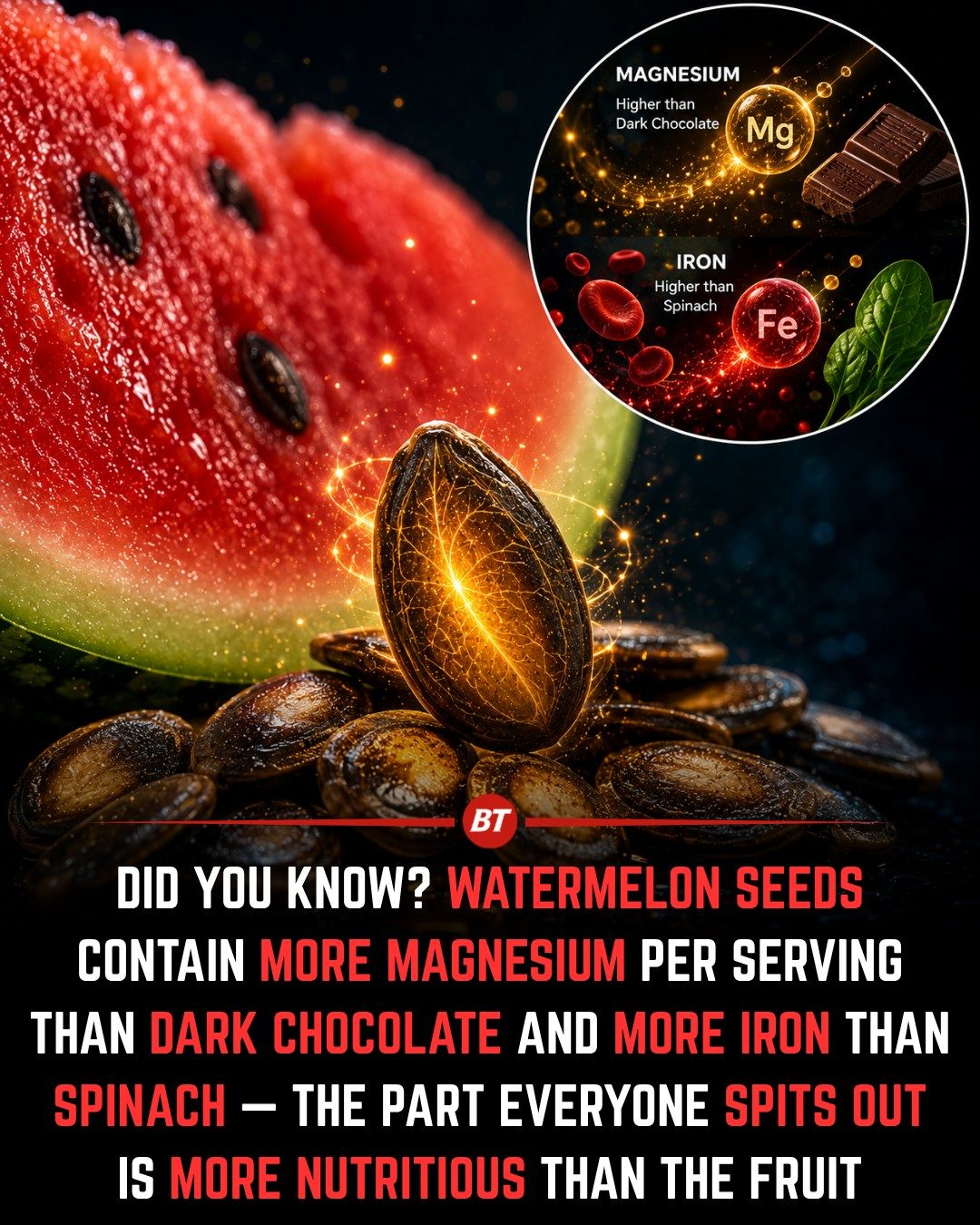
Watermelon Seeds: The Hidden Nutritional Powerhouse
Watermelons are a summertime favorite. Known for their juicy, refreshing flesh, they are a staple at picnics and barbecues. But there's more to this fruit than meets the eye. The tiny seeds often discarded without a second thought are actually nutritional powerhouses, packed with essential minerals and nutrients.
Why This Matters
Most people overlook watermelon seeds, focusing solely on the juicy red flesh. However, these seeds are a rich source of magnesium, iron, and other essential minerals. By incorporating them into your diet, you can enhance your overall health and nutrition.
The Nutritional Benefits of Watermelon Seeds
Magnesium: The Unsung Hero
Watermelon seeds are an excellent source of magnesium, a mineral involved in more than 300 biochemical reactions in the body. Magnesium plays a crucial role in:
- Muscle function: It helps muscles relax and contract, which is essential for movement and overall muscle health.
- Nerve signaling: Magnesium aids in the transmission of nerve impulses, which is vital for brain function and communication between nerves.
- Energy production: It helps convert food into energy, ensuring your body has the fuel it needs to function optimally.
- Sleep quality: Adequate magnesium levels can improve sleep quality, making it easier to fall asleep and stay asleep.
- Healthy blood pressure: Magnesium helps regulate blood pressure, promoting cardiovascular health.
Iron: The Oxygen Transporter
Watermelon seeds are also a rich source of iron, which is essential for transporting oxygen throughout the body. Iron helps in:
- Oxygen transport: It is a key component of hemoglobin, the protein in red blood cells that carries oxygen from the lungs to the rest of the body.
- Energy levels: Iron supports healthy energy levels by aiding in the production of energy from food.
- Immune function: It plays a role in immune function, helping the body fight off infections and diseases.
Other Essential Nutrients
In addition to magnesium and iron, watermelon seeds provide a variety of other essential nutrients, including:
- Zinc: Supports immune function, wound healing, and protein synthesis.
- Copper: Essential for energy production, iron metabolism, and connective tissue health.
- Potassium: Crucial for heart health, blood pressure regulation, and muscle and nerve function.
- Healthy fats: Contain monounsaturated and polyunsaturated fats, which support heart health and brain function.
- Plant protein: Provides a good source of plant-based protein, making them an excellent addition to a vegetarian or vegan diet.
Practical Tips for Incorporating Watermelon Seeds
How to Prepare Watermelon Seeds
Dried or roasted, watermelon seeds become a nutrient-dense snack. Here’s how you can prepare them:
- Save the seeds: Next time you cut into a watermelon, save the seeds instead of discarding them.
- Rinse and dry: Rinse the seeds thoroughly to remove any pulp and let them dry completely.
- Roast: Preheat your oven to 300°F (150°C). Spread the seeds on a baking sheet and roast for about 15-20 minutes, or until they are golden brown and crispy.
Ways to Enjoy Watermelon Seeds
- Snack on them: Enjoy them as a crunchy, nutritious snack.
- Add to salads: Sprinkle them over your favorite salad for an extra boost of minerals and healthy fats.
- Top yogurt: Add them to your morning yogurt for a nutritious and delicious breakfast.
- Mix into oatmeal: Stir them into your oatmeal for added texture and nutrition.
- Smoothie bowl: Sprinkle them on top of your smoothie bowl for a satisfying crunch.
Important Takeaways
Watermelon seeds are a versatile and nutrient-dense food that can easily be incorporated into your diet. Whether you enjoy them as a snack or add them to your favorite dishes, these tiny seeds offer a significant nutritional benefit. They are particularly high in magnesium and iron, making them an excellent choice for boosting your overall health and well-being.
Conclusion
Next time you slice into a watermelon, don’t toss out the seeds. Instead, harness their nutritional power by drying and roasting them. Including watermelon seeds in your diet can provide a concentrated source of essential minerals, supporting everything from muscle function to energy production. Consider trying them out—your body will thank you.
Watch the Reel
Questions readers ask
What are the key nutrients found in watermelon seeds?
Watermelon seeds are rich in essential minerals like magnesium and iron. They also contain other beneficial nutrients that contribute to various bodily functions.
How do watermelon seeds contribute to muscle function and energy production?
Watermelon seeds are high in magnesium, which plays a crucial role in muscle function and energy production, helping to ensure your body operates efficiently.
Can I eat the seeds from a watermelon safely?
Yes, watermelon seeds are safe to eat and can be consumed raw, roasted, or ground into a powder. Make sure to clean them thoroughly before consuming.
Why should I eat watermelon seeds instead of just the fruit?
While the fruit is hydrating and contains vitamins, the seeds provide additional nutrients like iron and magnesium, which are vital for overall health and well-being.
How can I incorporate watermelon seeds into my diet?
You can sprinkle them on salads, blend them into smoothies, or even add them to baked goods. Roasting them with a bit of salt can also make a tasty snack.
What are the benefits of eating watermelon seeds?
Consuming watermelon seeds can contribute to muscle function, energy production, and overall well-being. They are a nutritious addition to your diet, offering a variety of minerals and nutrients.
Recent articles
Fresh deep dives from the latest Reels we unpacked.




Comments
Be the first to comment.