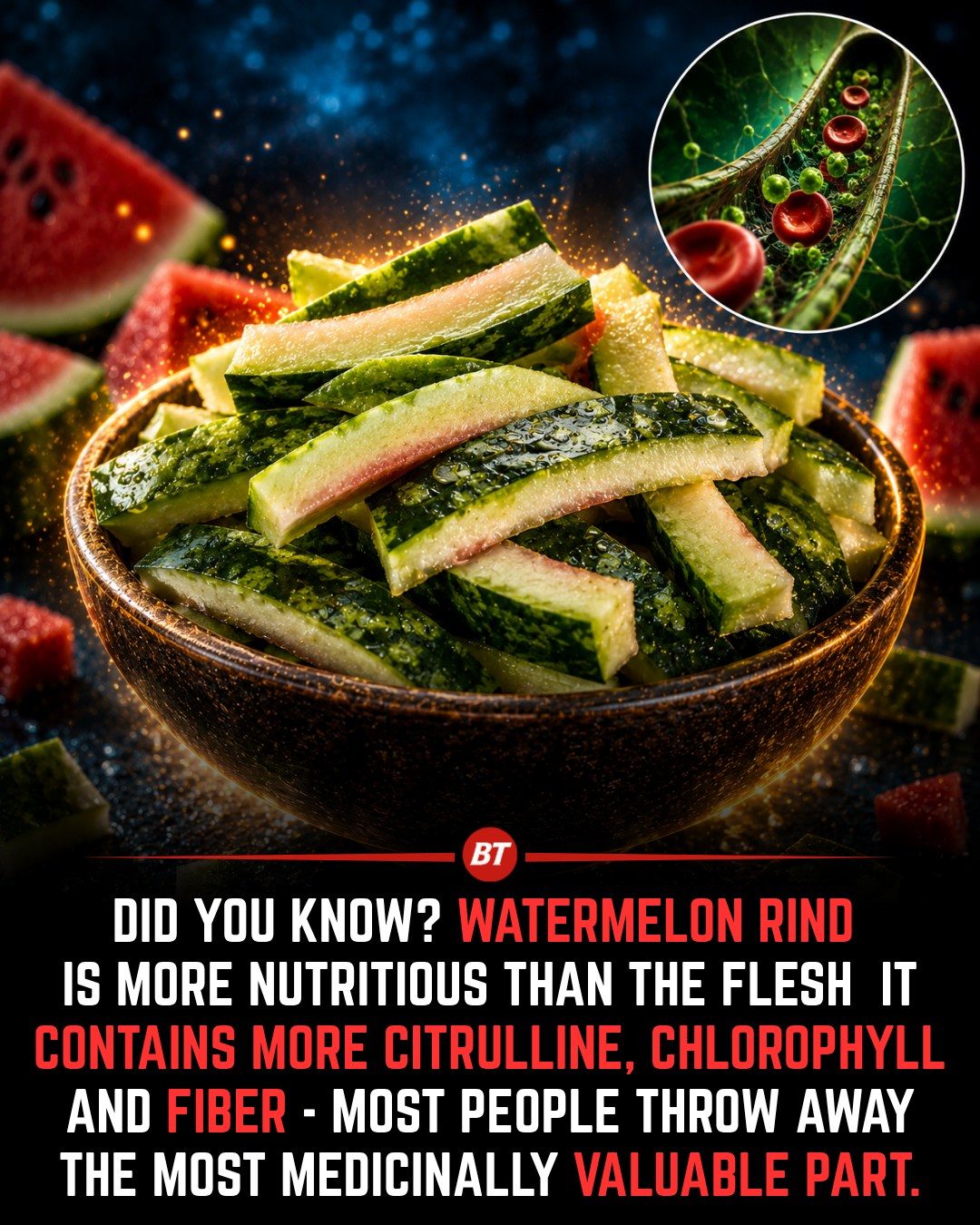
Watermelon Rind Nutrition: A Hidden Nutritional Treasure
Watermelon rind, often discarded, is more than just the tough exterior of a delicious fruit. It is a nutritious part of the watermelon that many people overlook. This rind, while not as sweet as the red flesh, contains higher concentrations of beneficial compounds. Here, we will delve into the nutritional benefits of watermelon rind, exploring its key compounds, health benefits, and practical ways to incorporate it into your diet.
Why This Matters
The rind, which is usually discarded, is a waste of valuable nutrients. Recognizing the potential of this often-disregarded part of the watermelon, we can reduce food waste and enhance our health. By understanding the nutritional benefits of the rind, we can make more informed choices about our consumption and processing of this fruit.
Main Discussion
Nutritional Breakdown
The white rind of a watermelon is rich in citrulline, an amino acid. Citrulline is more concentrated in the white rind than in the red flesh. Your body converts citrulline into arginine, which in turn helps produce nitric oxide. Nitric oxide relaxes blood vessels, supports healthy circulation, and promotes normal blood flow. This property has made watermelon a subject of interest in sports nutrition and cardiovascular research.
Key Compounds
Citrulline
Citrulline is an amino acid found in higher concentrations in the white rind. It is converted into arginine in the body, which then produces nitric oxide. Nitric oxide supports cardiovascular health by relaxing blood vessels, improving circulation, and promoting normal blood flow. This makes citrulline valuable for athletes and individuals with cardiovascular concerns.
Fiber
The rind also contains more fiber than the juicy flesh. Fiber is essential for digestive health, as it slows down digestion, promotes a feeling of fullness, and feeds beneficial gut bacteria. By incorporating the rind into your diet, you can boost your fiber intake and support better gut health.
Chlorophyll
The green outer layer of the watermelon rind contains chlorophyll and other plant compounds. These compounds are being studied for their antioxidant properties, which can help protect the body against oxidative stress. While much of the tough green skin is typically peeled away before eating, the layer just beneath it is rich in these beneficial compounds.
Health Benefits
Cardiovascular Health
The citrulline in the rind, which is converted to arginine and then to nitric oxide, supports cardiovascular health. Nitric oxide relaxes blood vessels, improves circulation, and promotes normal blood flow. This makes the rind a valuable addition to the diet for those focused on cardiovascular well-being.
Digestive Health
The high fiber content in the rind aids in digestive health. Fiber slows down digestion, promoting a feeling of fullness and feeding beneficial gut bacteria. This can help in maintaining a healthy gut microbiome and overall digestive function.
Antioxidant Properties
The chlorophyll and other plant compounds in the rind have potential antioxidant properties. Antioxidants help protect the body from oxidative stress, which is linked to various chronic diseases. By including the rind in your diet, you can benefit from these antioxidant properties.
Practical Tips
Preparing Watermelon Rind
The easiest way to utilize the rind is by peeling away the tough dark-green skin. After removing the green skin, you can cube the white rind. Cube the rind and soak in a mixture of apple cider vinegar, water, sea salt, garlic, mustard seeds, and a touch of honey. After a few days in the refrigerator, you'll have a crisp, tangy snack that's both delicious and surprisingly nutritious.
Incorporating into Meals
You can add chopped watermelon rind to salads, stir-fries, or even smoothies for a nutritional boost. The rind can also be pickled and served as a snack or side dish. Pickled watermelon rind can be a refreshing and nutritious addition to any meal.
Storage
It is important to note that the best way to store watermelon rind is to keep it refrigerated. This helps to preserve its freshness and prevent it from spoiling. If you plan to use it in pickles or other preserved forms, make sure to follow proper food handling practices to ensure safety.
Important Takeaways
Watermelon rind is a nutritious and underused part of the fruit. It contains higher concentrations of citrulline, fiber, and chlorophyll compared to the red flesh. These compounds support cardiovascular health, digestive health, and provide antioxidant benefits. By incorporating the rind into your diet, you can reduce food waste and enhance your overall health.
Conclusion
The white rind of a watermelon is more than just a tough exterior. It is a rich source of nutrients that support cardiovascular health, digestive health, and provide antioxidant benefits. By recognizing the value of the rind, we can reduce food waste and enhance our health. Whether you choose to pickle it, add it to salads, or incorporate it into smoothies, the rind offers a delicious and nutritious addition to your diet.
Watch the Reel
Questions readers ask
What are the key nutritional benefits of watermelon rind?
Watermelon rind is rich in citrulline, an amino acid that supports heart health, and fiber, which aids in digestion. It also contains various vitamins and minerals, making it a nutritious addition to your diet.
How can consuming watermelon rind improve cardiovascular health?
The citrulline in watermelon rind can be converted into arginine, an amino acid that helps produce nitric oxide. This compound promotes vasodilation, or the widening of blood vessels, which can improve blood flow and reduce blood pressure.
What are some practical ways to incorporate watermelon rind into my diet?
You can add watermelon rind to smoothies, use it as a vegetable in stir-fries, or pickle it for a tangy snack. Before consuming, ensure you remove the green outer layer and any bitter white layer.
Is it safe to eat watermelon rind?
Yes, watermelon rind is generally safe to eat, but it's important to wash the fruit thoroughly to remove any pesticides or contaminants. Additionally, remove the green outer layer and any bitter white layer before consuming.
Can eating watermelon rind help with digestion?
Yes, the fiber in watermelon rind can support healthy digestion. It adds bulk to your stool and helps food pass more quickly through the digestive system, promoting regular bowel movements.
Does eating watermelon rind help reduce food waste?
Yes. Consuming watermelon rind reduces the amount of food that is discarded, making it an eco-friendly choice. It helps you make the most of the entire fruit, ensuring that nothing goes to waste.
Can I juice watermelon rind?
Yes, you can juice watermelon rind. However, keep in mind that the rind is not as sweet as the fruit itself. You might want to combine it with other fruits or vegetables to balance the flavor. Juice it with the red flesh and other fruits to make a delicious and nutritious drink.
Related deep dives
Similar reads based on topic and creator.




Recent articles
Fresh deep dives from the latest Reels we unpacked.




Comments
Be the first to comment.