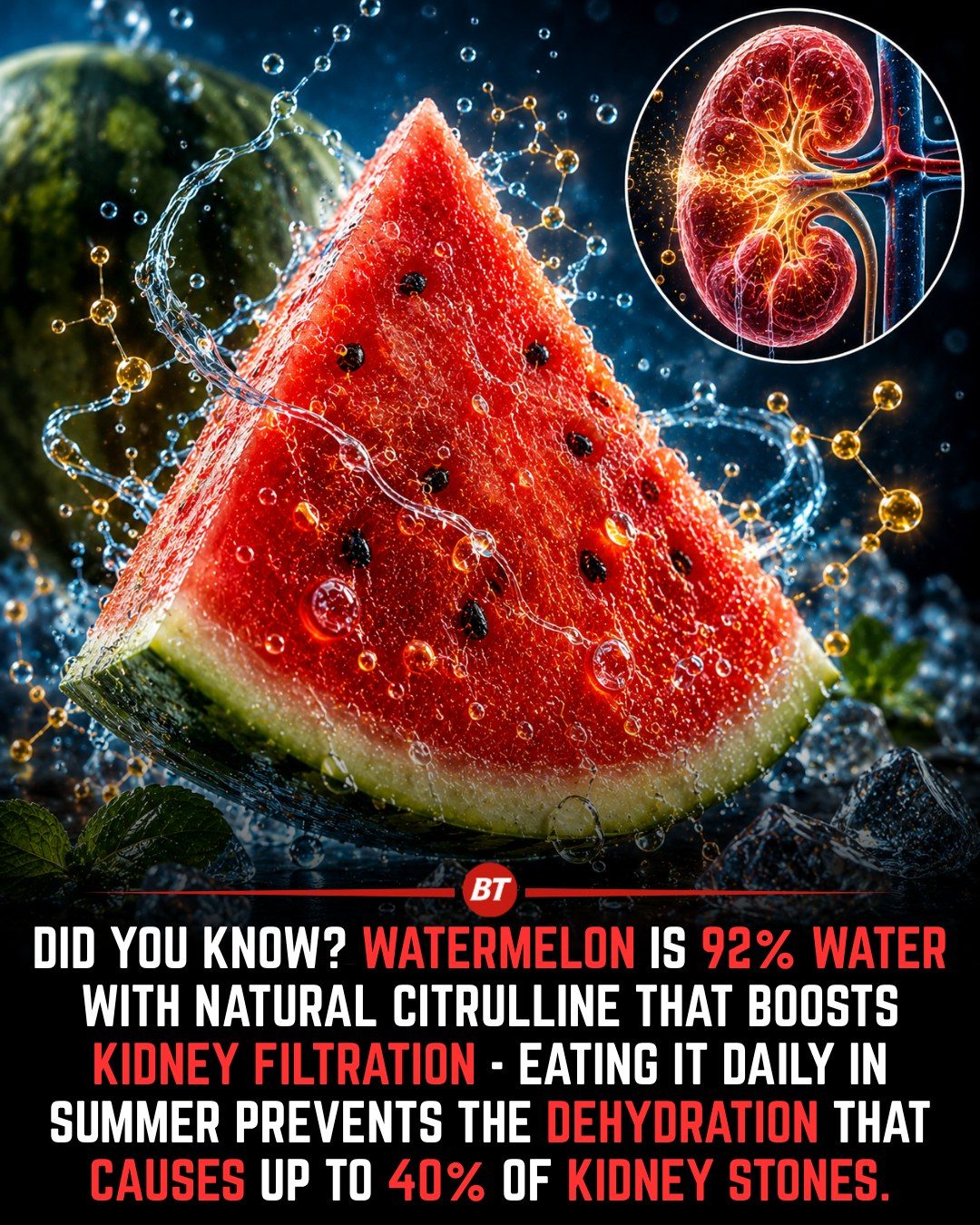
Watermelon and Kidney Health
Watermelon is a summer staple, but its benefits extend far beyond refreshing taste. This fruit is not only hydrating but also plays a significant role in supporting kidney health. Let's explore how watermelon, with its high water content and unique nutrients, can be a valuable addition to your diet, especially during the hot summer months.
Why This Matters
Kidney health is crucial for overall well-being. The kidneys perform essential functions like filtering waste products from the bloodstream, maintaining fluid balance, and regulating blood pressure. Proper hydration is key to keeping these organs functioning optimally. Dehydration can lead to concentrated urine, which increases the risk of kidney stones. By maintaining adequate fluid intake, you can help prevent the formation of these painful crystals.
The Role of Hydration in Kidney Health
Watermelon: A Hydrating Powerhouse
Watermelon is approximately 92% water, making it one of the most hydrating fruits available. This high water content helps to dilute urine, reducing the concentration of minerals that can form kidney stones. By staying hydrated, you can support your kidneys' filtration process and promote overall kidney health. One of the key nutrients found in watermelon is L-citrulline, an amino acid that has been studied for its role in supporting healthy blood flow and cardiovascular function.
L-Citrulline and Kidney Filtration
L-citrulline is a unique amino acid found in watermelon. Once ingested, the body converts L-citrulline into L-arginine, which is a precursor to nitric oxide. Nitric oxide helps relax blood vessels, supporting healthy circulation and improving blood flow to the kidneys. This improved circulation can enhance the kidneys' filtration process, making it easier for them to remove waste products and maintain fluid balance.
Preventing Dehydration and Kidney Stones
Dehydration is a significant risk factor for kidney stones, as it allows minerals like calcium and oxalate to bind together and form crystals. Up to 40% of kidney stones are caused by dehydration, making it a critical factor to address. Drinking plenty of fluids and eating water-rich foods like watermelon can help prevent dehydration and reduce the risk of kidney stones. During the summer, when fluid losses increase, it's especially important to stay hydrated by incorporating watermelon into your diet.
The Nutritional Benefits of Watermelon
Potassium and Fluid Balance
Watermelon is not only high in water content but also rich in potassium, a mineral essential for maintaining normal fluid balance throughout the body. Potassium helps regulate fluid levels in cells and tissues, ensuring that your body remains hydrated and functioning optimally. By consuming watermelon, you can support your body's fluid balance and promote overall health.
Cardiovascular and Metabolic Health
Researchers continue to investigate the broader effects of L-citrulline and nitric oxide on cardiovascular and metabolic health. Nitric oxide helps relax blood vessels, supporting healthy circulation and promoting overall cardiovascular function. This can have positive implications for kidney health, as improved blood flow can enhance the kidneys' ability to filter waste products and maintain fluid balance.
Supporting Healthy Blood Flow
L-citrulline, found in watermelon, plays a crucial role in supporting healthy blood flow. By converting into L-arginine, L-citrulline helps produce nitric oxide, which relaxes blood vessels and improves circulation. This can have positive effects on kidney health, as improved blood flow can enhance the kidneys' filtration process and promote overall organ function.
Practical Tips for Incorporating Watermelon into Your Diet
Enjoying watermelon as part of your daily routine is easy and delicious. Here are some practical tips for incorporating this hydrating fruit into your diet:
Stay Hydrated with Watermelon
Eat a bowl of fresh watermelon as a snack or after spending time outdoors. Pair it with plenty of water throughout the day to help maintain healthy hydration and support normal kidney function.
Seasonal Consumption
During the summer months, when fluid losses increase, it's especially important to stay hydrated. Incorporating watermelon into your diet can help prevent dehydration and reduce the risk of kidney stones.
Important Takeaways
Watermelon is a hydrating and nutritious fruit that offers numerous benefits for kidney health. Its high water content helps dilute urine, reducing the risk of kidney stones. Additionally, watermelon provides L-citrulline, an amino acid that supports healthy blood flow and cardiovascular function. By incorporating watermelon into your diet, you can support your kidneys' filtration process, maintain fluid balance, and promote overall health. This makes watermelon a valuable addition to your diet, especially during the hot summer months when hydration is crucial.
Conclusion
Watermelon is more than just a refreshing summer treat; it's a nutritional powerhouse that supports kidney health. With its high water content and unique nutrients like L-citrulline, watermelon can help prevent dehydration, promote healthy circulation, and reduce the risk of kidney stones. By incorporating watermelon into your diet, you can support your kidneys' filtration process and maintain overall health. So, go ahead and enjoy a slice of watermelon—your kidneys will thank you!
Watch the Reel
Questions readers ask
How does watermelon support kidney health?
Watermelon supports kidney health by maintaining proper hydration, which is crucial for kidney function. Its high water content helps dilute waste and toxins, reducing the risk of kidney stones. Additionally, watermelon contains L-citrulline, an amino acid that promotes healthy blood flow to the kidneys and supports overall cardiovascular health.
What role does L-citrulline in watermelon play in kidney health?
L-citrulline, found in watermelon, helps to increase the production of nitric oxide in the body, which in turn enhances blood flow to the kidneys. This improved blood flow aids in the efficient removal of waste products and toxins, thereby supporting kidney function.
Which nutrient helps prevent kidney stones?
Watermelon's high water content is beneficial because it helps to dilute the substances in urine that can form kidney stones. By maintaining adequate hydration, you can reduce the risk of kidney stones, which are often caused by concentrated urine.
Why is hydration important for kidney function?
Proper hydration is essential for kidney function because it helps to dilute waste products and toxins, making them easier to excrete. Dehydration can lead to concentrated urine, which increases the risk of kidney stones and other renal issues, and reduces the kidneys' ability to filter blood effectively.
Can watermelon help prevent kidney stones?
Watermelon can help prevent kidney stones by maintaining hydration and diluting minerals in the urine. This decreases the likelihood of stone formation. Regular consumption of watermelon can contribute to a balanced diet that supports kidney health and overall well-being.
What are the best fruits for kidney health?
In addition to watermelon, other water-rich fruits like cantaloupe, strawberries, and grapes are excellent for kidney health. These fruits help maintain hydration, which is vital for kidney function, and they provide essential nutrients that support overall health.
How does watermelon benefit cardiovascular health and kidney function?
Watermelon supports cardiovascular health and kidney function through its rich content of L-citrulline. This amino acid promotes the production of nitric oxide, which dilates blood vessels, improves blood flow, and enhances the efficiency of the kidneys in filtering waste and toxins.
Related deep dives
Similar reads based on topic and creator.




Recent articles
Fresh deep dives from the latest Reels we unpacked.




Comments
Be the first to comment.