Watermelons are more than just a refreshing summer treat; they offer a range of health benefits that make them a valuable addition to your diet, particularly during the hotter months.
Context / Why this matters
Dehydration is a significant concern during summer, and maintaining adequate hydration is crucial for overall health. One of the often-overlooked benefits of staying hydrated is the reduction in the risk of kidney stones. Dehydration leads to concentrated urine, which allows minerals like calcium and oxalate to crystallize and form stones. By incorporating water-rich foods like watermelon into your diet, you can help mitigate this risk.
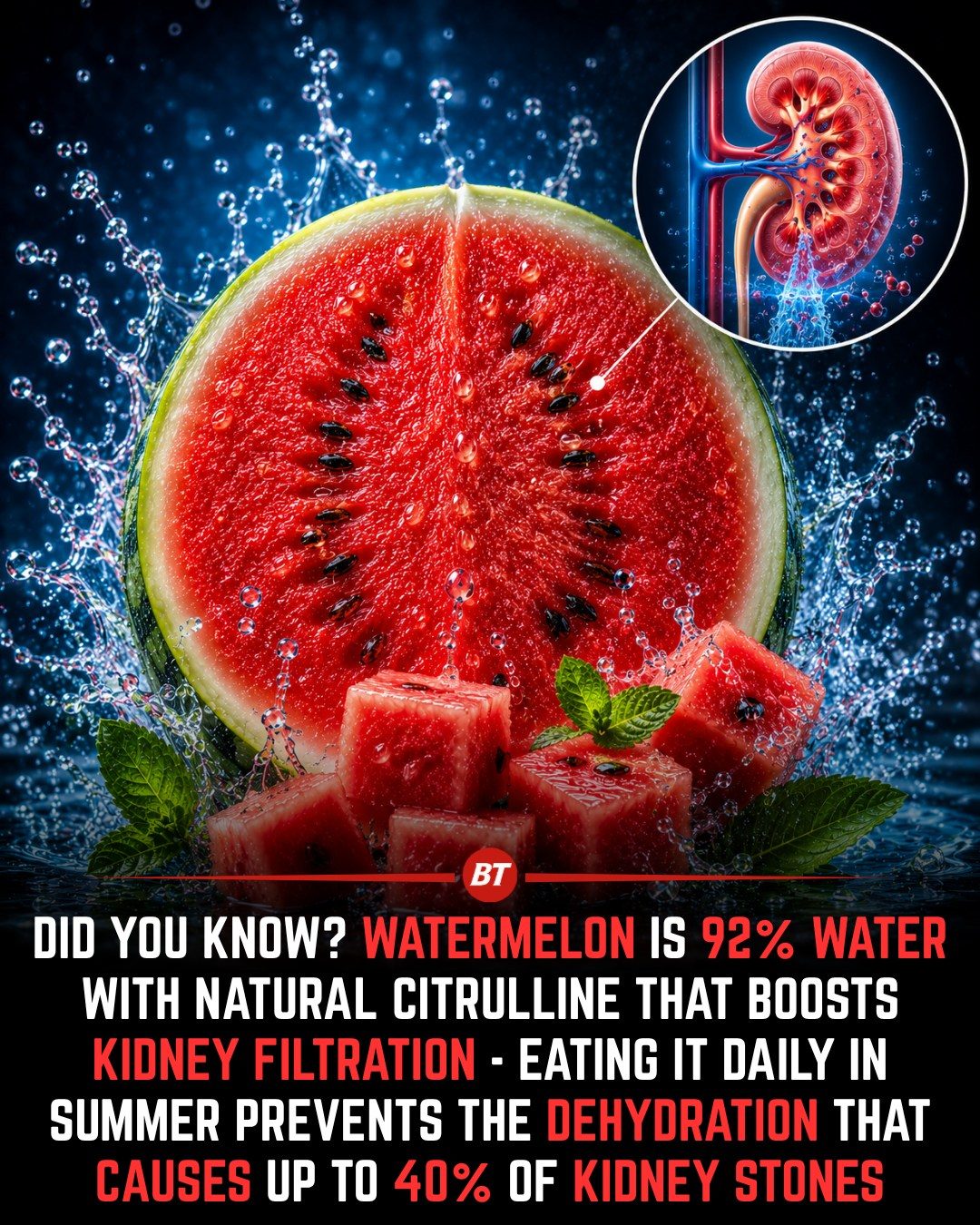
Watermelon is an excellent choice for hydration because it is about 92% water. This high water content makes it a effective way to boost your daily fluid intake, especially for those who struggle to drink enough plain water.
Watermelon's Hydration and Nutritional Benefits
Watermelon's high water content is not its only benefit. It also contains unique compounds that support overall health.
Citrulline and Kidney Health
One of the standout compounds in watermelon is citrulline, an amino acid that plays a key role in kidney health. Citrulline is converted by the body into nitric oxide, which helps relax blood vessels and support healthy circulation. This improved circulation can enhance kidney function and reduce the risk of kidney stones by ensuring that urine remains dilute and minerals do not crystallize.
Potassium and Electrolyte Balance
Watermelon is also rich in potassium, an essential electrolyte. Potassium helps maintain fluid balance in the body, which is crucial for proper hydration and kidney function. By consuming watermelon, you not only increase your water intake but also replenish important electrolytes lost through sweating.
Lycopene and Antioxidant Support
In addition to its hydrating and circulatory benefits, watermelon contains lycopene, a powerful antioxidant. Lycopene helps protect cells from oxidative stress, which can contribute to various health issues, including kidney problems. The combination of hydration, electrolytes, and antioxidants makes watermelon a powerful tool for maintaining overall health, especially during the summer.
Practical Tips
Incorporating watermelon into your diet is easy and delicious. Here are some practical tips to make the most of this versatile fruit:
Hydrating Snack
A simple and effective way to enjoy watermelon is as a snack. Enjoying 1–2 cups of fresh watermelon can help keep you hydrated throughout the day. It's a tasty alternative to sugary drinks and can be enjoyed on its own or paired with other fruits for a mixed fruit salad.
Smoothies and Juices
For a refreshing beverage, blend watermelon into a smoothie or juice. You can mix it with other fruits like berries or cucumber for added flavor and nutrients. Adding a squeeze of lime or a dash of mint can enhance the taste and make it even more refreshing.
Summer Salads
Watermelon pairs well with cucumber and mint, making for an extra-hydrating summer treat. You can dice the watermelon and mix it with sliced cucumbers, fresh mint leaves, and a light vinaigrette for a refreshing salad. This combination not only tastes great but also boosts your hydration and electrolyte intake.
Hydration Complement
Watermelon complements daily water intake and does not replace drinking enough fluids. It is important to maintain a balanced approach to hydration, ensuring that you drink plenty of water along with consuming water-rich foods like watermelon.
Important Takeaways
Watermelon's high water content, natural citrulline, and antioxidant properties make it a valuable addition to your summer diet. By staying hydrated and consuming foods rich in potassium, lycopene, and citrulline, you can support kidney health, improve circulation, and reduce the risk of kidney stones.
Conclusion
During the summer months, staying hydrated is essential for overall health and well-being. Watermelon offers a delicious and nutritious way to boost your fluid intake while providing additional health benefits. By incorporating watermelon into your diet, you can support kidney health, improve circulation, and enjoy a refreshing treat that keeps you hydrated and healthy.
Watch the Reel
Questions readers ask
How does watermelon aid in preventing kidney stones?
Watermelon's high water content helps keep your body hydrated, which is essential for diluting minerals in the urine that can lead to kidney stones. The fruit also contains citrulline, an amino acid that supports healthy kidney function and helps prevent the crystallization of minerals in the urine.
What is the water content in watermelon and why is it significant?
Watermelon is about 92% water, making it a hydrating fruit to add to your diet. This high water content helps maintain a hydrated body, which is crucial for overall health and for preventing kidney stones by promoting the production of more urine.
What role do citrulline and potassium play in kidney health?
Citrulline in watermelon helps improve blood flow, reduces inflammation, and supports healthy kidney function. Potassium, also found in watermelon, is essential for maintaining electrolyte balance, which is vital for proper kidney function and overall health.
How much watermelon should I consume daily for optimal benefits?
While there's no specific daily intake guidelines for watermelon, consuming about 2-3 cups (1/2 a medium-sized watermelon) three to four times a week can contribute to your hydration needs and provide various health benefits. Always consult with a healthcare provider for personalized advice.
What are some other summer foods that support kidney health?
In addition to watermelon, other summer foods that support kidney health include cucumbers, leafy greens, berries, and bell peppers. These foods are high in water content, vitamins, and minerals that promote hydration, healthy kidney function, and a hydrated body.
How does dehydration contribute to the formation of kidney stones?
Dehydration leads to concentrated urine, which increases the risk of mineral crystallization. Minerals like calcium and oxalate are more likely to form into kidney stones when urine is concentrated. Staying hydrated with water-rich foods like watermelon can help prevent this from happening.
Related deep dives
Similar reads based on topic and creator.




Recent articles
Fresh deep dives from the latest Reels we unpacked.




Comments
Be the first to comment.