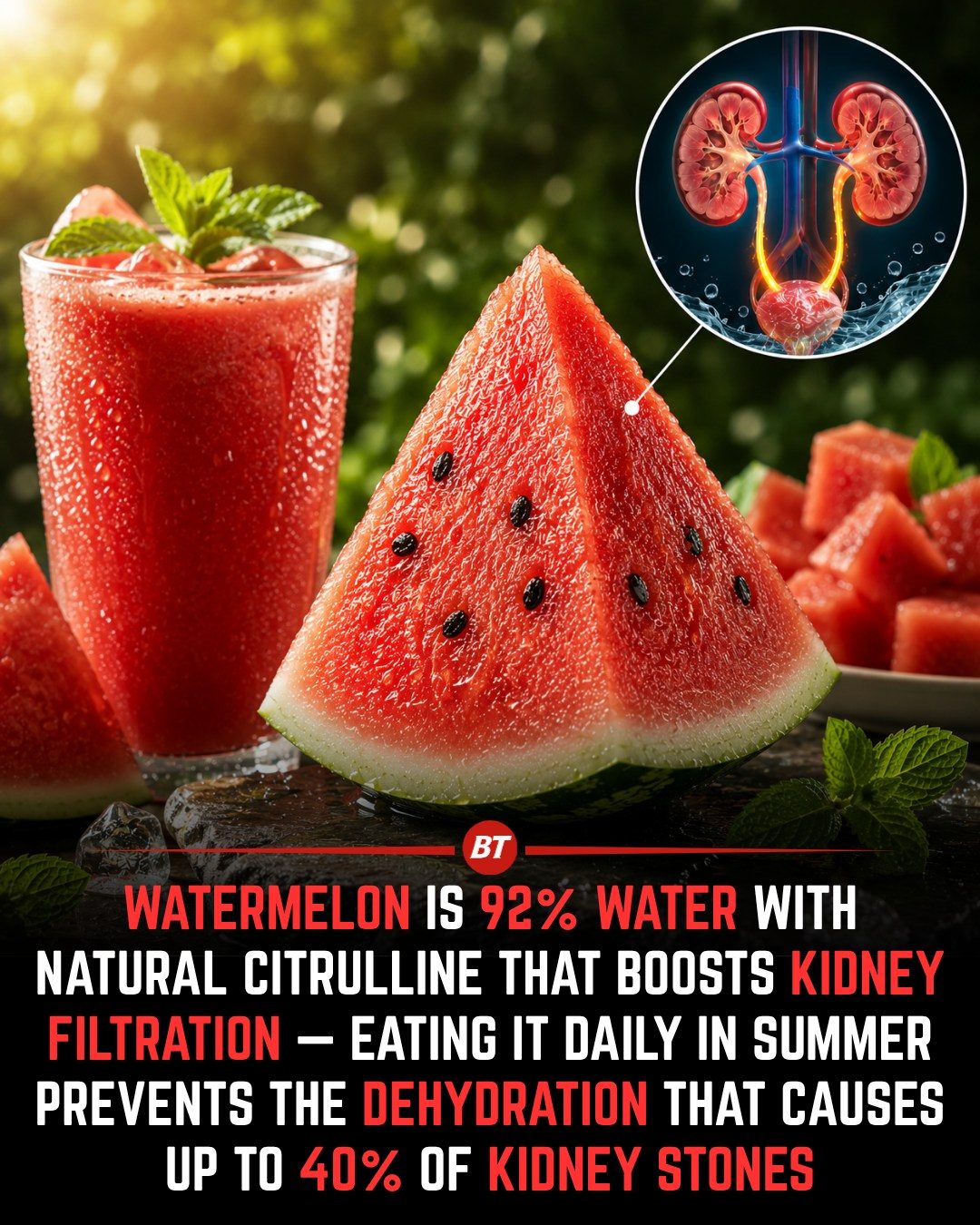
Watermelon is a refreshing and hydrating fruit that is perfect for summer picnics and barbecues. Its high water content makes it an excellent choice for staying hydrated during hot weather. Beyond just hydration, watermelon offers several health benefits, particularly for kidney health.
Water content and hydration
Watermelon is composed of more than 90% water, making it a superior choice for staying hydrated. Proper hydration is essential for maintaining overall health, and it plays a crucial role in supporting kidney function. The kidneys are responsible for filtering waste from the blood and removing excess water from the body. When you consume water-rich foods, like watermelon, your urine becomes more diluted, reducing the risk of kidney stones. This is because the concentration of minerals that can form stones is lowered. Staying hydrated by consuming watermelon and other water-rich foods can help keep your kidneys functioning properly and reduce the risk of kidney stones.
Citrulline and kidney filtration
Watermelon contains a naturally occurring amino acid called citrulline, which has been shown to have several health benefits, including supporting healthy blood flow and nitric oxide production. Citrulline is beneficial for kidney health as it helps to boost kidney filtration. This means that it aids in the kidneys efficiently filtering waste products from the blood and removing them from the body. Citrulline’s ability to support kidney filtration can help maintain overall kidney function and reduce the risk of kidney stones.
Preventing dehydration
Eating watermelon helps to prevent dehydration, which is a significant risk factor for kidney stones. Up to 40% of kidney stones are caused by dehydration. When the body is dehydrated, the urine becomes concentrated, making it easier for minerals to crystallize and form stones. By consuming watermelon, which is high in water, you can help to keep your body hydrated and reduce the risk of dehydration-related kidney stones. This is especially important during the summer months when temperatures are high, and the risk of dehydration increases.
Potassium, vitamin C, and other nutrients
In addition to its high water content and citrulline, watermelon also contains other essential nutrients, including potassium and vitamin C. Potassium is important for maintaining healthy blood pressure and supporting heart function. Vitamin C is a powerful antioxidant that helps to boost the immune system and protect the body from harmful free radicals. These nutrients, along with the high water content and citrulline, make watermelon a nutritious and refreshing choice for promoting overall health and wellness.
Practical tips on incorporating watermelon into your diet
Watermelon can be enjoyed in a variety of ways, making it a versatile addition to any diet. Here are some practical tips for incorporating watermelon into your daily routine:
-
Snack on fresh slices: Enjoying fresh watermelon slices is one of the easiest and most delicious ways to reap the benefits of this hydrating fruit. Simply cut the watermelon into wedges or cubes and enjoy as a refreshing snack.
-
Blend into smoothies: Watermelon can be blended into smoothies for a refreshing and hydrating beverage. Adding other fruits, vegetables, and even a source of protein can help increase the nutrient content of your smoothie.
-
Add to salads: Watermelon can be added to salads for a sweet and juicy twist on traditional salads. Pairing watermelon with other fruits, vegetables, and a light dressing can help to create a refreshing and flavorful summer salad.
-
Make watermelon juice: Watermelon juice is a refreshing beverage that can be enjoyed on its own or as a base for a cocktail. Simply blend watermelon flesh, strain the juice, and add your favorite mixers or garnishes.
-
Freeze for a cool treat: Freezing watermelon slices or cubes can create a refreshing and hydrating treat, perfect for hot summer days. You can also blend frozen watermelon and freeze it into popsicle molds for a fun and healthy snack.
Benefits beyond kidney health
Although the benefits of watermelon for kidney health are significant, this fruit also offers several other health benefits. As water content is high, watermelon is considered a low-calorie food and can be incorporated into a weight management plan. In combination with other nutrients, watermelon provides a range of health benefits. It’s worth noting that watermelon contains no cholesterol or fat, making it a heart-healthy addition to a balanced diet.
Watermelon and nitric oxide
Citrulline, the amino acid found in watermelon, plays a crucial role in supporting healthy blood flow and nitric oxide production. Nitric oxide is a molecule that helps to relax and widen blood vessels, improving circulation and supporting overall cardiovascular health. Adequate nitric oxide production is essential for maintaining healthy blood pressure and reducing the risk of heart disease. Consuming watermelon can help to support nitric oxide production, promoting better circulation and overall cardiovascular health.
Watermelon and exercise
Watermelon is an excellent choice for athletes and fitness enthusiasts, as it can help to support muscle recovery and reduce muscle soreness. The high water content in watermelon can help to rehydrate the body and replenish electrolytes lost during exercise. Citrulline, the amino acid found in watermelon, has also been shown to support muscle recovery and reduce muscle soreness. Consuming watermelon before, during, or after exercise can help to promote hydration, support muscle recovery, and reduce muscle soreness.
Watermelon is not a treatment for kidney disease or kidney stones, but its high water content and nutrient profile make it a refreshing choice for promoting hydration and general wellness. Enjoying fresh watermelon as a snack, in smoothies, or added to salads during the warmer months can help maintain healthy hydration and support your overall health.
Important Takeaways
Watermelon is a refreshing and hydrating fruit that offers several health benefits, particularly for kidney health. Its high water content makes it an excellent choice for staying hydrated during hot weather, and it contains essential nutrients like potassium, vitamin C, and citrulline. Citrulline, in particular, has been shown to support healthy blood flow, nitric oxide production, and kidney filtration, making watermelon a nutritious and refreshing choice for promoting overall health and wellness.
Some of the key takeaways include:
- Watermelon is composed of more than 90% water, making it an excellent choice for staying hydrated.
- Citrulline in watermelon supports healthy blood flow, nitric oxide production, and kidney filtration.
- Adequate hydration is essential for maintaining kidney health and reducing the risk of kidney stones.
- Eating watermelon can help prevent dehydration, which is a significant risk factor for kidney stones.
- Watermelon can be enjoyed in a variety of ways, including as a snack, in smoothies, in salads, as juice, or as a frozen treat.
- Watermelon offers several other health benefits, including supporting weight management, cardiovascular health, and muscle recovery.
Incorporating watermelon into your daily routine can help promote hydration, support kidney health, and provide essential nutrients for overall health and wellness. Whether enjoyed as a snack, in a smoothie, or as a refreshing beverage, watermelon is a delicious and nutritious addition to any diet. So next time you're at a summer picnic or barbecue, be sure to enjoy this hydrating and kidney-friendly fruit.
Watch the Reel
Questions readers ask
How does watermelon support kidney function?
Watermelon helps kidneys through its high water content, which dilutes urine and reduces the risk of kidney stones. The fruit also contains citrulline, an amino acid that helps maintain healthy blood flow to the kidneys and aids in waste removal.
Why is watermelon a good choice for hydration in hot weather?
Watermelon is over 90% water, making it an excellent option for staying hydrated. Its high water content, along with essential electrolytes and nutrients, helps replenish what's lost through sweating, particularly during hot summer months.
Can eating watermelon help prevent kidney stones?
Yes, watermelon's high water content can help prevent kidney stones. By diluting urine and reducing the concentration of minerals like calcium, it decreases the likelihood of stone formation. Additionally, the citrulline in watermelon may help lower uric acid levels, another factor in kidney stone development.
What is citrulline, and how does it benefit the kidneys?
Citrulline is an amino acid found in watermelon that is converted into arginine in the body. Arginine helps relax blood vessels, promoting better blood flow to the kidneys and aiding in waste removal. It also helps lower uric acid levels, which can contribute to kidney stones.
What are some other hydrating foods like watermelon for summer?
Other hydrating foods for summer include cucumbers, lettuce, celery, and strawberries, all with high water content. These fruits and vegetables help maintain hydration levels and can be easily incorporated into summer meals and snacks, along with watermelon.
How can I make the most of watermelon for hydration?
To maximize hydration from watermelon, consume it fresh and raw to take advantage of its water content and nutrients. You can enjoy it sliced, diced, or blended into smoothies. Pairing watermelon with other hydrating foods and drinking plenty of water throughout the day can further enhance its hydrating effects.
What are some tips for maintaining good kidney health?
In addition to staying hydrated with foods like watermelon, limit sodium and processed foods, maintain a balanced diet, stay physically active, and avoid excessive alcohol and tobacco consumption. Regular check-ups can help monitor kidney function and detect any issues early.
Related deep dives
Similar reads based on topic and creator.




Recent articles
Fresh deep dives from the latest Reels we unpacked.




Comments
Be the first to comment.