Hydration with Watermelon and Coconut Water
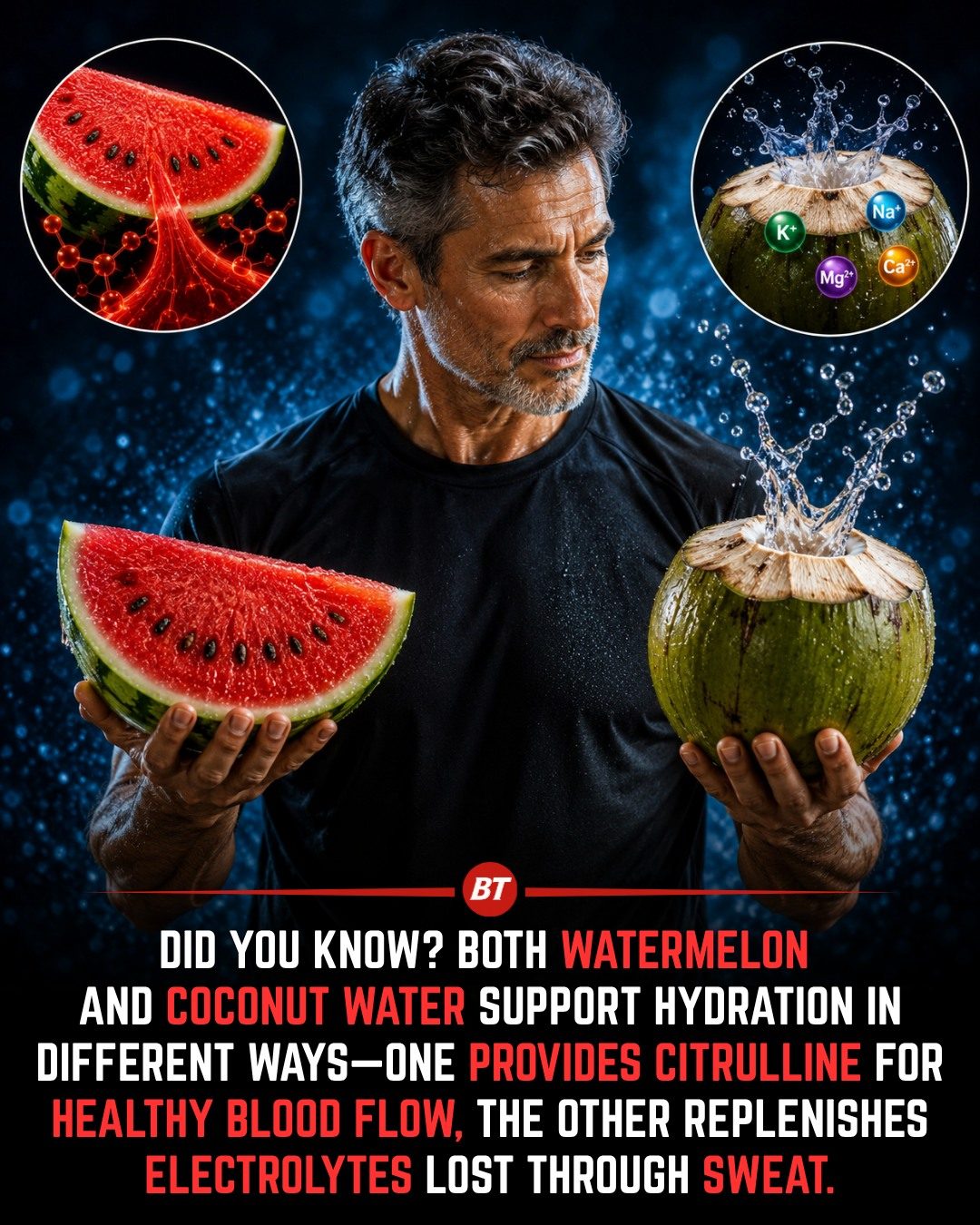
Watermelon and coconut water are nature’s perfect duo for hydration. Each offers unique benefits that complement one another, making them an excellent pairing for maintaining hydration and supporting overall health.
Context / Why this matters
Staying hydrated is crucial for optimal bodily function. Proper hydration supports various physiological processes, including temperature regulation, nutrient transport, and waste removal. During physical activity or hot weather, the body loses water and essential electrolytes through sweat. Replenishing these losses is vital for maintaining performance and preventing dehydration-related issues.
Main discussion
Benefits of Watermelon
Watermelon is more than just a refreshing summer treat; it's a powerhouse of hydration and nutrients. Composed of about 92% water, watermelon is an excellent source of hydration. Its primary nutritional advantage lies in the amino acid L-citrulline. After consuming watermelon, your body converts L-citrulline into nitric oxide. Nitric oxide plays a crucial role in relaxing blood vessels, which improves circulation and allows oxygen and nutrients to reach working muscles more efficiently. This process supports exercise performance, muscle recovery, and cardiovascular health, making watermelon a valuable addition to any fitness regimen.
Benefits of Coconut Water
Coconut water, often referred to as nature's sports drink, is rich in electrolytes. It contains a balanced mix of potassium, magnesium, sodium, and calcium—minerals essential for regulating fluid balance, nerve signaling, and muscle contractions. Clinical studies have shown that coconut water can be as effective as many sports drinks for rehydration after moderate exercise. Unlike many commercial sports drinks, coconut water is free from artificial colors and high amounts of added sugar, making it a natural and healthier alternative.
Hydration and Electrolyte Replacement
When engaging in physical activities or enduring hot weather, the body loses water and electrolytes through sweat. To maintain optimal performance and recovery, it's essential to replenish these losses. Watermelon and coconut water work together to provide a complete hydration solution. Watermelon supplies the necessary water and citrulline for healthy blood flow, while coconut water replenishes the electrolytes lost through sweating. Together, they support hydration, circulation, and recovery, making them an ideal pairing for hot summer days or post-workout recovery.
Practical tips
Enjoying Watermelon and Coconut Water
To maximize the benefits of watermelon and coconut water, consider blending 2 cups of fresh watermelon with 1 cup of unsweetened coconut water. Add a squeeze of fresh lime and a few mint leaves for extra flavor, then serve over ice. This naturally refreshing drink supports hydration, circulation, and recovery without relying on artificial sports drinks.
Feel free to experiment with the proportions or add other fruits and herbs to create your perfect hydration blend. For a quicker option, simply slice fresh watermelon and drink coconut water separately. Choose unsweetened coconut water to avoid added sugars and artificial ingredients.
Staying hydrated and replenishing electrolytes is essential for maintaining optimal health and performance. Whether you're enjoying a refreshing drink or preparing for a workout, incorporating watermelon and coconut water into your routine can provide numerous benefits.
Important takeaways
- Watermelon and coconut water hydrate the body in unique ways, making them an excellent pairing for hydration.
- Watermelon is rich in L-citrulline, an amino acid that supports healthy blood flow, circulation, and cardiovascular health.
- Coconut water is a natural source of electrolytes, aiding in rehydration and muscle function.
- Combining watermelon and coconut water can support hydration, exercise performance, and recovery.
Conclusion
Watermelon and coconut water offer a natural and effective way to stay hydrated and replenish electrolytes. Their complementary benefits make them an excellent pairing for maintaining optimal health and performance, especially during physical activities or hot weather. Incorporating these refreshing fruits into your routine can provide numerous health benefits and support overall well-being. So, the next time you reach for a drink, consider blending or drinking watermelon and coconut water separately to enhance your hydration and support your body's natural processes.
Watch the Reel
Questions readers ask
What makes watermelon an effective hydration source?
Watermelon is incredibly hydrating due to its high water content, which is over 90%. Additionally, it contains L-citrulline, an amino acid that helps boost circulation and blood flow, aiding in hydration and exercise recovery.
How does coconut water contribute to hydration?
Coconut water is rich in electrolytes such as sodium, potassium, and magnesium, which are essential for maintaining fluid balance in the body. These electrolytes help replenish what is lost through sweat, making coconut water an excellent choice for hydration, especially during or after physical activity.
Why are watermelon and coconut water a great combination for hydration?
Watermelon and coconut water complement each other perfectly. Watermelon provides a high water content and L-citrulline for improved circulation, while coconut water offers essential electrolytes. Together, they support overall hydration and recovery, making them an ideal pairing for maintaining bodily functions and boosting performance.
Can coconut water replace sports drinks for hydration during exercise?
Coconut water can be a natural and effective alternative to sports drinks for many people. It provides essential electrolytes and is lower in sugar and calories. However, for intense or prolonged exercise, it may be beneficial to consider additional carbohydrate intake, which sports drinks often provide.
What are the benefits of L-citrulline in watermelon for athletes?
L-citrulline in watermelon aids in the production of nitric oxide, which helps improve blood flow, enhance endurance, and reduce muscle soreness. This makes watermelon a beneficial choice for athletes looking to optimize their performance and recovery.
How can I incorporate watermelon and coconut water into my hydration routine?
You can enjoy watermelon and coconut water separately or together. Try blending watermelon with a splash of coconut water for a refreshing drink, or enjoy them as snacks and beverages throughout the day, especially during and after workouts or hot weather.
Related deep dives
Similar reads based on topic and creator.




Recent articles
Fresh deep dives from the latest Reels we unpacked.




Comments
Be the first to comment.