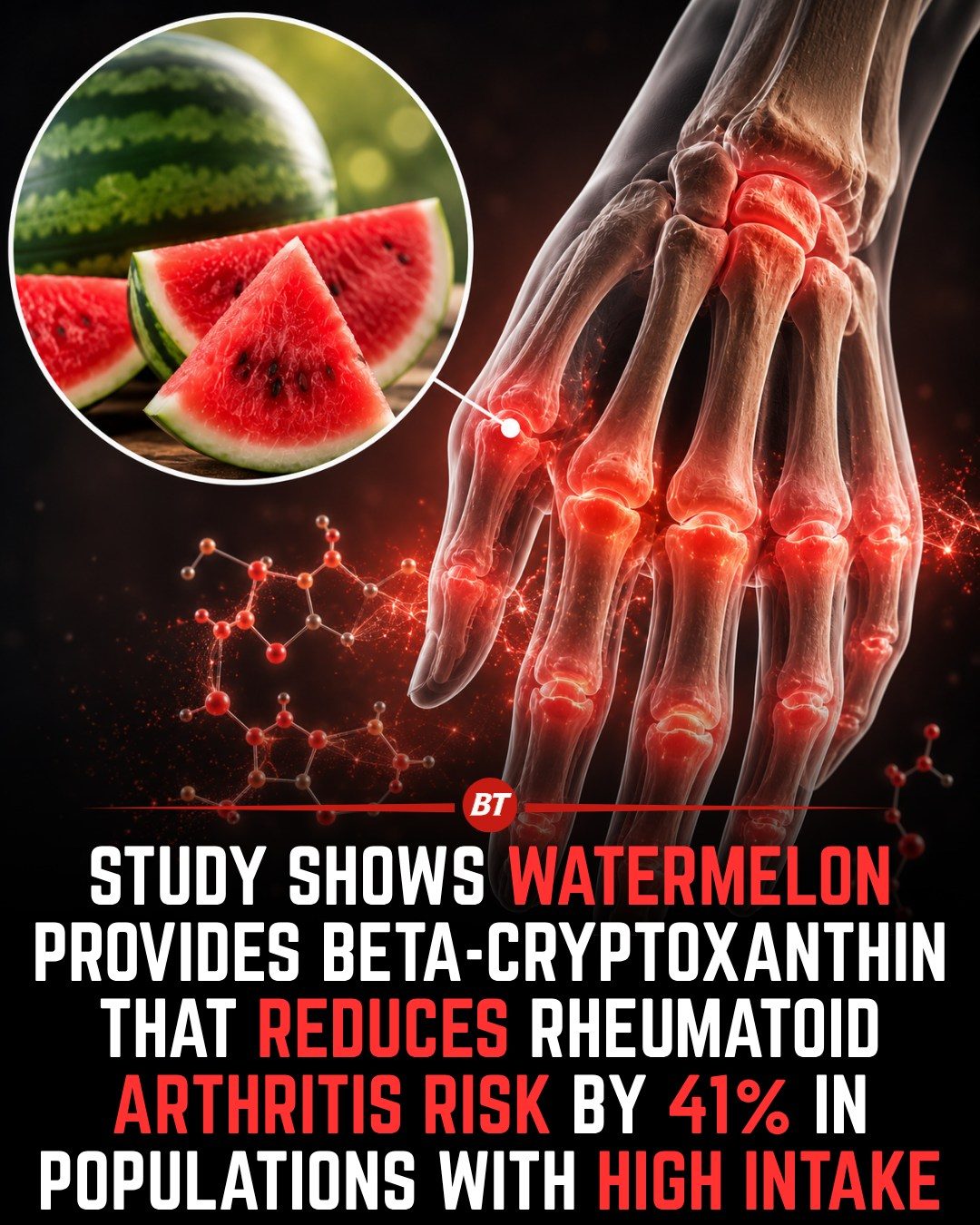
Watermelon: Benefits Beyond Hydration
Watermelon is a refreshing summer treat, but its benefits extend far beyond hydration. This vibrant fruit is packed with nutrients, including beta-cryptoxanthin, a carotenoid antioxidant that has garnered attention for its potential to support joint health.
Why Watermelon Matters
The relationship between watermelon and joint health is rooted in its unique nutritional profile. Beta-cryptoxanthin, found in several brightly colored fruits, including watermelon, has been linked to a lower risk of inflammatory joint conditions, such as rheumatoid arthritis (RA). This compound, along with other nutrients in watermelon, can contribute to overall joint health and a balanced diet.
The Role of Beta-Cryptoxanthin
Understanding Beta-Cryptoxanthin
Beta-cryptoxanthin is a type of carotenoid, a pigment responsible for the vibrant colors in many fruits and vegetables. This antioxidant is particularly notable for its potential anti-inflammatory properties.
Beta-Cryptoxanthin and Joint Health
Research indicates that higher dietary intake of beta-cryptoxanthin is associated with a reduced risk of developing rheumatoid arthritis. A study published in the American Journal of Clinical Nutrition found that individuals with higher intakes of beta-cryptoxanthin-rich foods had a significantly lower likelihood of developing rheumatoid arthritis compared to those who consumed the least. Specifically, populations with high intake of beta-cryptoxanthin experienced a 41% reduction in the risk of developing rheumatoid arthritis.
Mechanisms of Action
Scientists believe that beta-cryptoxanthin may help protect joint tissues by reducing oxidative stress and supporting a healthy inflammatory response. Oxidative stress is a condition where the body's antioxidant defenses are overwhelmed by reactive oxygen species, leading to cellular damage. By reducing oxidative stress, beta-cryptoxanthin can help mitigate the inflammation that contributes to conditions like rheumatoid arthritis.
Additional Benefits of Watermelon
Nutrient-Rich Profile
Watermelon is more than just a source of beta-cryptoxanthin. It also provides vitamin C, lycopene, and citrulline, all of which contribute to overall health. Vitamin C is essential for immune function and collagen production, while lycopene is a powerful antioxidant that supports heart health. Citrulline, an amino acid, helps improve blood flow and reduce muscle soreness.
Hydration and Connective Tissues
Watermelon's high water content makes it an excellent hydrating food, which is crucial for maintaining healthy connective tissues. Proper hydration supports joint lubrication and can help reduce the risk of joint injuries and conditions.
Practical Tips for Incorporating Watermelon
Enjoying Fresh Watermelon
Incorporating fresh watermelon into your diet is simple. Enjoy it as a refreshing snack on its own, or blend it into smoothies for a nutritious drink. Adding watermelon to salads can also enhance the flavor and nutritional value of your meals.
Pairing with Other Carotenoid-Rich Foods
For an even broader range of beneficial antioxidants, pair watermelon with other carotenoid-rich foods. Consider adding papaya, oranges, and red bell peppers to your diet. These fruits and vegetables offer a variety of carotenoids that can support overall health and joint function.
Important Takeaways
Beta-Cryptoxanthin's Potential
Beta-cryptoxanthin's potential to reduce the risk of rheumatoid arthritis underscores the importance of including a variety of colorful fruits in your diet. While watermelon alone cannot prevent rheumatoid arthritis, it can be a valuable part of a balanced diet aimed at supporting joint health.
Overall Health Benefits
The combination of beta-cryptoxanthin, vitamin C, lycopene, and citrulline in watermelon offers a range of health benefits beyond joint support. These nutrients contribute to immune function, heart health, and overall well-being.
Balanced Diet
Including a variety of colorful fruits and vegetables in your diet is crucial for supporting long-term joint health. These foods provide a range of antioxidants and nutrients that can protect joint tissues and reduce inflammation. By incorporating foods like watermelon into a balanced diet, you can support overall health and potentially reduce the risk of inflammatory joint conditions.
Conclusion
Watermelon is a delicious and nutritious fruit that offers more than just hydration. Its rich content of beta-cryptoxanthin, along with other valuable nutrients, makes it a valuable addition to a balanced diet. By including watermelon and other carotenoid-rich foods in your meals, you can support joint health and overall well-being. Enjoy the refreshing taste of watermelon while reaping its health benefits.
Watch the Reel
Questions readers ask
How does watermelon contribute to joint health?
Watermelon contains beta-cryptoxanthin, an antioxidant that helps mitigate oxidative stress and promotes a healthy inflammatory response, both of which are beneficial for joint health. This makes it a valuable addition to a diet focused on maintaining healthy joints.
What specific nutrient in watermelon is linked to a lower risk of arthritis?
Beta-cryptoxanthin, a carotenoid antioxidant found in watermelon, has been associated with a lower risk of inflammatory joint conditions, such as rheumatoid arthritis. This nutrient plays a key role in supporting joint health and reducing inflammation.
Can eating watermelon help with joint pain?
While watermelon's nutritional profile, particularly its beta-cryptoxanthin content, can support overall joint health and reduce oxidative stress, it is important to note that the effects on joint pain may be gradual and vary from person to person. Consuming watermelon as part of a balanced diet can contribute to a variety of health benefits, including promoting a healthy inflammatory response.
What are some other benefits of beta-cryptoxanthin besides joint health?
Beta-cryptoxanthin, found in watermelon and other brightly colored fruits, offers multiple benefits. In addition to supporting joint health, it may help to reduce oxidative stress, promote a healthy inflammatory response, and contribute to overall well-being. This makes it a valuable nutrient for those looking to maintain optimal health.
How can I incorporate watermelon into my diet for better joint health?
Incorporating watermelon into your diet can be easy and delicious. Enjoy fresh watermelon slices as a refreshing snack, blend it into smoothies, or add it to salads. To maximize the benefits, consider pairing it with other nutrient-rich foods as part of a balanced diet.
Are there any other fruits that contain beta-cryptoxanthin?
Yes, beta-cryptoxanthin can also be found in various other brightly colored fruits, including oranges, papayas, and grapefruits. Including a variety of these fruits in your diet can help increase your intake of this beneficial antioxidant and support overall health.
Can eating watermelon help prevent arthritis?
While watermelon contains beneficial nutrients like beta-cryptoxanthin, which can support joint health and a healthy inflammatory response, it is important to note that no single food can prevent arthritis completely. A balanced diet and healthy lifestyle, including regular exercise and adequate hydration, can contribute to a lower risk of inflammatory joint conditions.
Related deep dives
Similar reads based on topic and creator.




Recent articles
Fresh deep dives from the latest Reels we unpacked.




Comments
Be the first to comment.