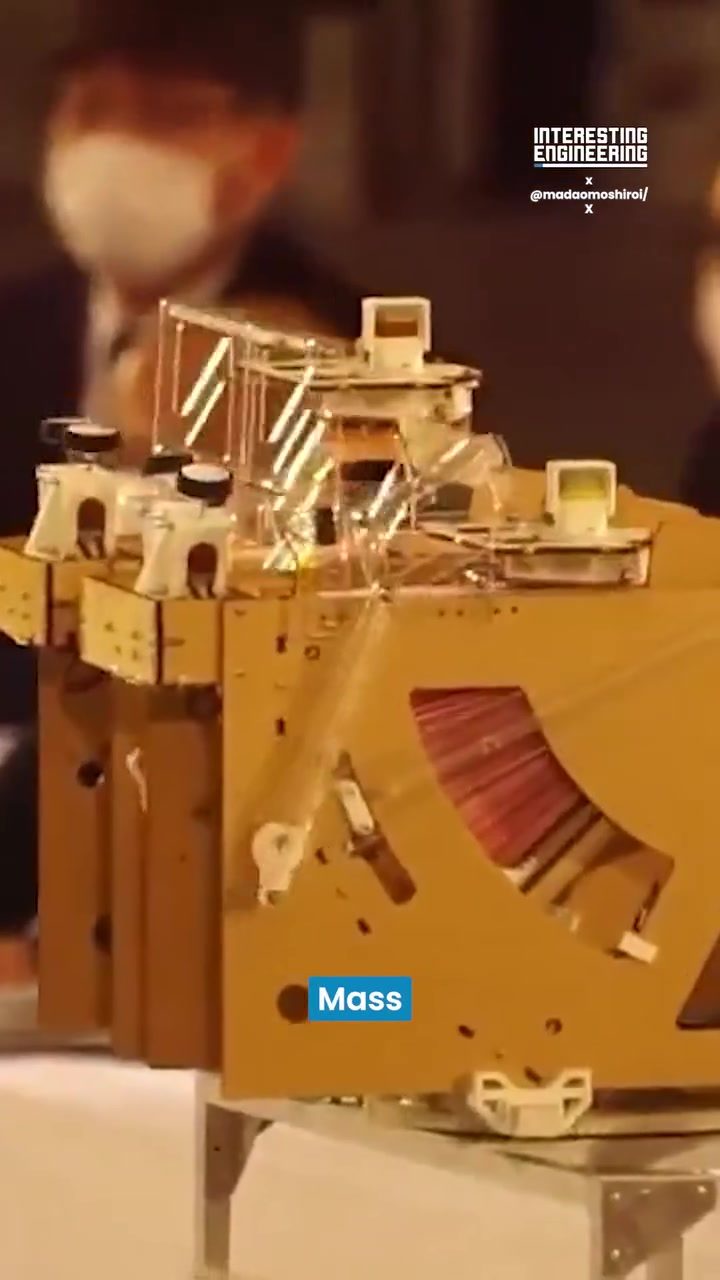
The Paper Airplane Mass Production Robot
Paper airplanes are a classic pastime, but imagine a world where they are mass-produced with robotic precision. This is exactly what the paper airplane mass production robot, showcased at Robocon, achieves. The machine transforms flat sheets of paper into precisely folded airplanes and launches them one after another in front of a seated audience. This isn't just a fun spectacle; it's a testament to advanced engineering and automation.
Why This Matters
The paper airplane robot is more than just a novelty. It serves as a powerful demonstration of automation and robotics, highlighting the remarkable precision, repeatability, and speed of modern machinery. The robot's ability to replicate exact movements consistently showcases the potential of automated systems in various industries, from manufacturing to packaging and beyond.
Main Discussion
The Mechanism
The paper airplane mass production robot operates through a synchronized sequence of feeding, folding, and launching mechanisms. This intricate process involves multiple moving parts working in harmony to transform a flat sheet of paper into a perfectly folded airplane. The mechanisms are meticulously designed to ensure each airplane is produced with consistent accuracy, highlighting the sophistication of the robot's engineering.
Engineering and Automation
At its core, the paper airplane robot is a demonstration of advanced engineering and motion control. The robot's ability to perform complex, repetitive tasks with precision underscores the advancements in automation technology. By integrating origami-inspired manufacturing techniques, the robot not only folds the paper but also ensures that each airplane is a perfect replica of the last. This level of consistency is crucial in manufacturing, where quality control and production efficiency are paramount.
The Components
The robot is composed of yellow and brown components, each playing a critical role in the folding and launching process. The yellow parts, for example, might be responsible for the initial feeding of the paper, while the brown components could handle the folding and launching. The combination of these components creates a seamless workflow, ensuring that the process is both efficient and accurate.
The Process
The process begins with feeding the paper into the robot. Once the paper is in place, the folding mechanism kicks in, using a series of intricate movements to create the perfect folds. After the airplane is folded, it is launched with precision, demonstrating the robot's ability to handle multiple tasks with ease. This synchronized sequence of actions is what makes the paper airplane mass production robot such an impressive feat of engineering.
Practical Tips
While creating a paper airplane robot might be beyond the scope of most hobbyists, there are some practical tips to consider when looking to automate a simple task:
Understanding the Basics of Robotics
To replicate such a project, it's essential to understand the basics of robotics. This includes knowledge of different mechanisms, motors, and control systems. Investing time in learning these fundamentals will provide a solid foundation for any automation project.
Utilizing Origami Techniques
Origami-inspired manufacturing can be a unique way to add precision to your project. By studying origami techniques, you can create intricate folds and shapes with paper, which can then be replicated in a robotic system.
Testing and Iteration
The key to success with any automation project is thorough testing and iteration. This means building a prototype, testing it, and then making adjustments based on the results. Repeat this process until the desired level of precision and efficiency is achieved.
Simplifying the Process
While the paper airplane robot showcases advanced engineering, not all automation projects need to be complex. Start small and work your way up. Simplifying the process can make it more manageable and easier to troubleshoot.
Important Takeaways
The paper airplane mass production robot is a testament to the advancements in robotics and automation. It demonstrates the precision, repeatability, and speed of modern machinery, highlighting the potential of automated systems in various industries. By integrating origami-inspired techniques, the robot showcases the potential for unique and innovative manufacturing solutions. Whether you're a hobbyist or a professional engineer, understanding the principles behind this robot can provide valuable insights into the world of automation.
Conclusion
The paper airplane robot is more than just a fun spectacle; it's a showcase of advanced engineering and automation. By transforming flat sheets of paper into perfectly folded airplanes, the robot demonstrates the precision, repeatability, and speed of modern machinery. The synchronized sequence of feeding, folding, and launching mechanisms highlights the sophistication of the robot's engineering, making it a powerful demonstration of automation. Whether you’re a hobbyist or a professional, there’s a lot to learn from this remarkable piece of engineering.
Watch the Reel
Questions readers ask
How does the paper airplane mass production robot work?
The robot utilizes advanced automation and engineering to transform flat sheets of paper into perfectly folded paper airplanes. It performs precise and repeatable folding movements, ensuring each paper airplane is identical. After folding, the robot launches the airplanes one by one, demonstrating its speed and efficiency.
What is the significance of the paper airplane mass production robot beyond entertainment?
While the robot is entertaining, its true significance lies in showcasing the capabilities of modern robotics and automation. It highlights the precision, repeatability, and speed of automated machinery, offering insights into the future of manufacturing and packaging.
Can the paper airplane robot be used for other types of folding tasks?
Yes, the technology behind the paper airplane robot can be adapted for various folding tasks. Robotic folding machines are versatile and can be programmed to handle different materials and folding patterns, making them useful in industries such as packaging, textiles, and even electronics.
How does the paper airplane robot demonstrate robotic precision?
The robot demonstrates robotic precision by consistently replicating exact folding movements. Each paper airplane produced is identical, showcasing the robot's ability to perform tasks with a high degree of accuracy and repeatability. This precision is a key aspect of modern automation and robotics.
What kind of machinery is used in the paper airplane mass production system?
The paper airplane mass production system employs advanced robotic arms and folding mechanisms. These components work together to transform flat sheets of paper into folded airplanes with remarkable speed and accuracy. The system is a prime example of modern automated machinery in action.
What are the potential applications of the technology showcased by the paper airplane robot?
The technology demonstrated by the paper airplane robot has wide-ranging potential applications. It can be used in manufacturing to improve efficiency, in packaging to ensure consistent product presentation, and in other industries where precise and repeatable tasks are required. This makes it a valuable tool for innovation and advancement.
How can businesses benefit from the robotics in manufacturing showcased by the paper airplane robot?
Businesses can benefit from the robotics in manufacturing showcased by the paper airplane robot by implementing similar automated systems. These systems can increase production speed, reduce human error, and enhance overall efficiency. By adopting such technologies, businesses can stay competitive and innovative in their respective industries.
Related deep dives
Similar reads based on topic and creator.


Recent articles
Fresh deep dives from the latest Reels we unpacked.




Comments
Be the first to comment.