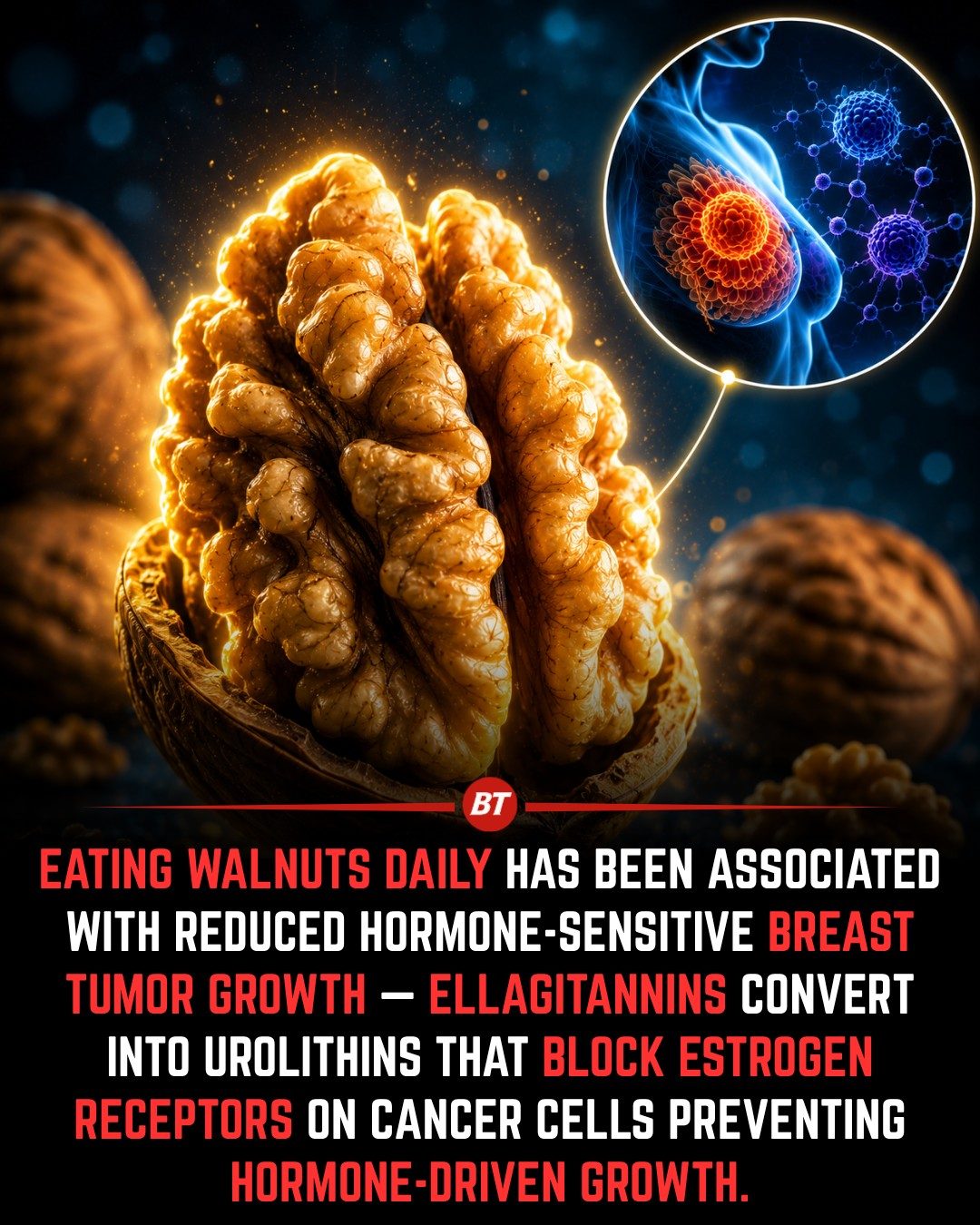
Walnuts and Breast Health
Walnuts are a powerhouse of nutrients, offering a variety of benefits for overall health. Among these benefits, recent research has highlighted their potential role in supporting breast health, particularly in relation to hormone-sensitive breast tumors. Walnuts are one of the few nuts naturally rich in ellagitannins, plant compounds that your gut bacteria convert into urolithins. These metabolites are being studied for their potential role in cellular health and healthy aging. Here's a deep dive into the science behind walnuts and breast health.
Why This Matters
Breast cancer is one of the most common cancers among women worldwide. Understanding dietary factors that may influence breast health and potentially reduce the risk of certain types of breast cancer is crucial. Walnuts, with their unique nutritional profile, have emerged as a promising area of study in this regard.
Walnuts and Breast Health
Ellagitannins and Urolithins
Ellagitannins are a type of polyphenol found in walnuts. When consumed, these compounds are converted by gut bacteria into urolithins. Research has shown that urolithins can block estrogen receptors on cancer cells, preventing hormone-driven growth. This process is particularly relevant for hormone-sensitive breast tumors, which are influenced by estrogen levels.
Scientific Findings
A 2023 review published in the journal Nutrients highlighted that regular walnut consumption is associated with various health benefits, including improvements in heart health, inflammation, and gut microbiome diversity. The review also noted that researchers are investigating whether urolithins and other walnut-derived compounds may influence pathways involved in cell growth and hormone signaling, particularly those relevant to breast health.
Early laboratory and small human studies have shown promising results, suggesting that walnuts could play a role in reducing the risk of hormone-sensitive breast tumors. However, more large-scale clinical trials are needed to confirm these findings and establish walnuts as a viable strategy for preventing or treating breast cancer.
Beyond Breast Health
Heart Health and Inflammation
While the potential benefits of walnuts for breast health are exciting, it's important to note that walnuts offer a wide range of other health benefits. Regular consumption of walnuts has been linked to improved cardiovascular health, healthier cholesterol levels, and reduced inflammation. These benefits are likely due to walnuts' rich content of omega-3 alpha-linolenic acid (ALA), polyphenols, vitamin E, and other antioxidants, which help reduce oxidative stress.
Gut Microbiome Diversity
Walnuts also support a healthy gut microbiome, which is essential for overall health and immune function. The fiber and prebiotic compounds in walnuts help promote the growth of beneficial gut bacteria, contributing to a diverse and healthy microbiome.
Other Health Benefits
The nutrients in walnuts have been shown to reduce the risk of many chronic diseases, including type 2 diabetes and certain types of cancer. Their high content of antioxidants, fiber, and healthy fats makes them a valuable addition to a balanced diet.
Practical Tips
Incorporating Walnuts into Your Diet
Adding walnuts to your daily diet is easy and delicious. Here are some practical tips to help you incorporate more walnuts into your meals:
- Snacking: Enjoy a small handful of walnuts (about 1 ounce or 28 grams) as a nutrient-dense snack.
- Breakfast: Sprinkle walnuts over your oatmeal, Greek yogurt, or cereal for added crunch and nutrition.
- Salads: Add walnuts to your favorite salads for a boost of healthy fats, fiber, and antioxidants.
- Baking: Use walnuts in baking recipes, such as muffins, bread, or cookies, for added flavor and nutrition.
- Smoothies: Blend walnuts into your smoothies for a creamy texture and added health benefits.
Important Takeaways
- Walnuts are rich in ellagitannins, which are converted by gut bacteria into urolithins. These metabolites have been shown to block estrogen receptors on cancer cells, potentially reducing hormone-sensitive breast tumor growth.
- Regular walnut consumption is associated with various health benefits, including improved heart health, reduced inflammation, and a healthier gut microbiome.
- More research is needed to confirm the potential benefits of walnuts for breast health, but early studies are promising.
- Incorporating walnuts into your daily diet is easy and can provide a range of health benefits.
Conclusion
Walnuts offer a wealth of health benefits, from supporting heart health to potentially reducing the risk of hormone-sensitive breast tumors. Their unique nutritional profile, rich in omega-3 fats, polyphenols, and antioxidants, makes them a valuable addition to any diet. While more research is needed to fully understand the extent of their benefits, incorporating walnuts into your daily meals can be a smart and delicious way to support your overall health.
Watch the Reel
Questions readers ask
What are ellagitannins and how do they relate to walnuts and breast health?
Ellagitannins are plant compounds that walnuts are rich in. They are converted by gut bacteria into urolithins, which have been shown in studies to block estrogen receptors on cancer cells, helping to inhibit the growth of hormone-sensitive breast tumors.
How do walnuts influence the risk of hormone-sensitive breast tumors?
Walnuts contain ellagitannins, which are converted in the gut to urolithins. These metabolites can potentially suppress estrogen activity in breast tissue, thereby limiting the growth of hormone-sensitive tumors.
What are urolithins and why are they important in relation to walnuts and breast cancer?
Urolithins are metabolites produced when gut bacteria break down ellagitannins found in walnuts. They play a pivotal role due to their ability to bind to estrogen receptors on cancer cells, potentially hindering the proliferation of breast cancer cells.
Can eating walnuts really help lower the risk of breast cancer?
While walnuts alone are not a guaranteed preventive measure, recent studies suggest that their consumption can potentially reduce the risk of hormone-sensitive breast tumors. This is due to the conversion of walnut compounds into urolithins, which can interact with estrogen receptors and potentially inhibit tumor growth.
How do walnuts contribute to overall gut health and breast cancer prevention?
Walnuts support gut health through their fiber content and the ellagitannins they contain. A healthy gut can convert these plant compounds into urolithins, which have been shown to potentially suppress estrogen activity and slow down the growth of tumors.
What specific nutrients in walnuts are beneficial for breast health?
The key nutrients in walnuts that are beneficial for breast health are ellagitannins, which are converted to urolithins in the gut. These urolithins are thought to block estrogen receptors on cancer cells, offering a protective effect against hormone-sensitive breast tumors.
Can walnuts be part of a diet to support healthy aging and breast health?
Yes, incorporating walnuts into a diet can support healthy aging and breast health. The urolithins produced from walnut compounds have shown potential in maintaining cell health and possibly preventing cancer, especially in hormone-sensitive breast tumors.
Related deep dives
Similar reads based on topic and creator.




Recent articles
Fresh deep dives from the latest Reels we unpacked.




Comments
Be the first to comment.