Walnuts and Brain Health
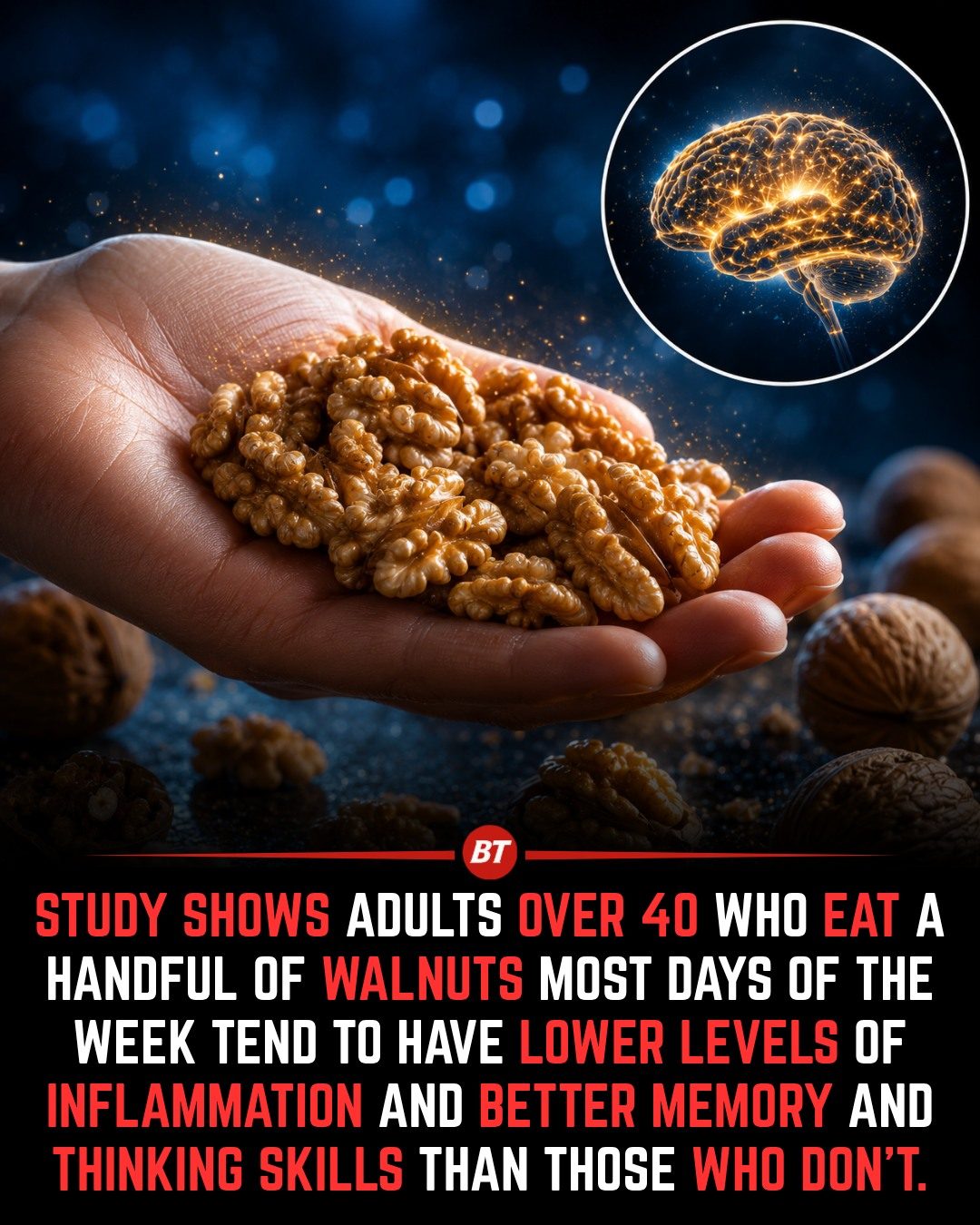
Walnuts have long been celebrated as a nutritious snack, but their benefits extend far beyond their taste and crunch. Recent studies show that regular walnut consumption may contribute to a healthier brain and improved cognitive function in adults over 40. Let's dive into the science behind these claims and explore how walnuts can support brain health.
Why This Matters
Promoting brain health as we age is crucial. Chronic inflammation, oxidative stress, and cognitive decline are all significant issues that can impact our daily lives and overall well-being. Fortunately, dietary choices can play a significant role in mitigating these factors.
Factors Contributing to Brain Health
ALA and Omega-3 Fatty Acids
Walnuts are one of the few nuts that provide a substantial amount of alpha-linolenic acid (ALA), a plant-based omega-3 fatty acid. These healthy fats are essential for heart health and help to reduce chronic inflammation. They also support cognitive function by promoting healthy blood flow to the brain.
Polyphenols and Antioxidants
Walnuts are packed with polyphenols, vitamin E, melatonin, and other antioxidants. These compounds help protect cells from oxidative stress, a major contributor to aging, inflammation, and cognitive decline. By neutralizing free radicals, antioxidants support overall brain health and reduce the risk of age-related cognitive diseases.
Gut-Brain Axis
Recent research has highlighted the importance of the gut-brain axis, a bidirectional communication system between the gut microbiome and the central nervous system. Walnuts contain compounds that nourish beneficial gut bacteria. As these bacteria break down walnut polyphenols and fiber, they produce metabolites that help regulate inflammation throughout the body. Keeping a healthy gut microbiome is essential for maintaining brain health and cognitive function.
Main Benefits of Walnuts
Reduced Inflammation
Regular walnut consumption has been linked to lower levels of inflammation in the body. Chronic inflammation is a significant risk factor for various diseases, including heart disease, diabetes, and cognitive decline. By reducing inflammation, walnuts contribute to overall health and well-being.
Improved Cognitive Function
Large observational studies have found that adults who eat a handful of walnuts most days of the week often perform better on tests of memory, attention, and processing speed. The unique combination of healthy fats and antioxidant compounds in walnuts helps support healthy blood flow to the brain, which can lead to improved cognitive performance.
Protection Against Cognitive Decline
The antioxidant compounds in walnuts help protect brain cells from oxidative stress, reducing the risk of age-related cognitive decline. By maintaining healthy blood flow and reducing inflammation, walnuts contribute to overall brain health and support long-term cognitive function.
Practical Tips
How to Incorporate Walnuts into Your Diet
Incorporating walnuts into your daily diet is easy. Aim for about one handful (1 ounce or 28 grams) of unsalted walnuts most days of the week. Here are a few practical ways to enjoy walnuts:
- Snacking: Enjoy a handful of walnuts as a nutrient-dense snack.
- Added to Meals: Sprinkle walnuts over oatmeal, yogurt, or salads for an extra crunch and nutritional boost.
- Baking: Use walnuts in baking recipes to add flavor and texture.
Nutritional Considerations
While walnuts are incredibly nutritious, it's essential to consume them in moderation. A handful (about 1 ounce) of walnuts contains approximately 185 calories and 18 grams of fat, most of which are monounsaturated and polyunsaturated fats. Though these fats are healthy, they are still high in calories, and overeating can lead to weight gain.
Pairing with Other Healthy Habits
For optimal cognitive health, combine regular walnut consumption with other healthy habits:
- Exercise: Regular physical activity helps maintain both physical and mental health. Aim for at least 150 minutes of moderate-intensity exercise per week.
- Sleep: Quality sleep is essential for cognitive function. Aim for 7-9 hours of sleep per night.
- Balanced Diet: A balanced diet rich in fruits, vegetables, whole grains, and lean proteins supports overall health and brain function.
Important Takeaways
Regular consumption of walnuts contributes to a healthier brain and improved cognitive function in adults over 40. Walnuts' unique combination of healthy fats, antioxidants, and polyphenols helps reduce inflammation, supports healthy blood flow to the brain, and nourishes the gut microbiome. By incorporating walnuts into a balanced diet and maintaining other healthy habits, you can take proactive steps towards supporting long-term cognitive health.
Conclusion
Walnuts offer a powerhouse of nutrients that can significantly impact brain health. Regular consumption, especially for adults over 40, can lead to better memory, improved thinking skills, and reduced inflammation. By making a simple addition to your diet, you can support your brain health and overall well-being. So, go ahead, grab a handful of walnuts, and enjoy the benefits they bring.
Watch the Reel
Questions readers ask
What makes walnuts a good choice for adults over 40?
Walnuts are packed with omega-3 fatty acids, particularly ALA, which supports brain health and cognitive function. They also contain antioxidants and other nutrients that help reduce inflammation and combat oxidative stress, making them an excellent choice for adults over 40.
How do walnuts support cognitive function?
Regular consumption of walnuts has been linked to improved memory, concentration, and overall cognitive function. This is largely due to their high content of omega-3 fatty acids, which are essential for brain health and development.
Can eating walnuts daily help reduce inflammation?
Yes, walnuts have anti-inflammatory properties thanks to their richness in omega-3 fatty acids and antioxidants. Incorporating walnuts into your daily diet can help lower inflammation, which is beneficial for both brain health and overall well-being.
How do walnuts contribute to better gut health, and why does this matter for the brain?
Walnuts contain both fiber and beneficial fats, which support a healthy gut microbiome. A healthy gut can reduce inflammation and enhance nutrient absorption, both of which are crucial for optimal brain function.
What are the best ways to incorporate walnuts into my diet?
You can enjoy walnuts as a standalone snack, add them to salads, yogurt, or oatmeal, or use them as a topping for baked goods. You can also blend them into smoothies or use walnut butter as a spread. Aim for a daily serving of about 1 ounce (a small handful) to reap their benefits.
Can walnuts really help slow down age-related cognitive decline?
Research suggests that the nutrients in walnuts, particularly their omega-3 fatty acids and antioxidants, can help slow down age-related cognitive decline. Regular consumption may contribute to maintaining better cognitive function and brain health as you age.
How do walnuts compare to other nuts for brain health?
While many nuts offer health benefits, walnuts stand out due to their high content of omega-3 fatty acids, which are particularly beneficial for brain health. They also contain more antioxidants than most other nuts, making them an excellent choice for promoting cognitive function and overall brain health.
Related deep dives
Similar reads based on topic and creator.




Recent articles
Fresh deep dives from the latest Reels we unpacked.




Comments
Be the first to comment.