Business Startup Story
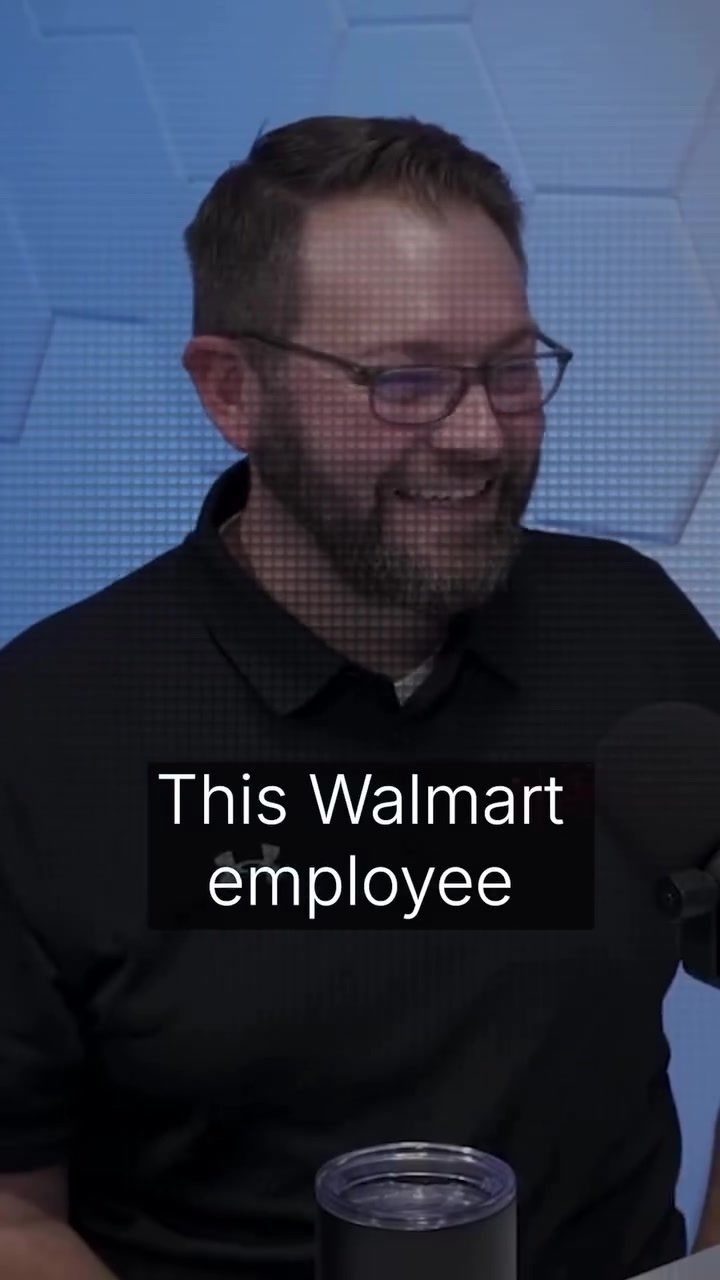
Steve Carroll's journey from a Walmart employee to the founder of a billion-dollar business is a compelling tale of resilience, strategic thinking, and a unique approach to business acquisition. Carroll's story highlights the challenges and opportunities in the fragmented world of mechanical, electrical, and plumbing (MEP) services, and how his innovative strategy turned a failed attempt at passive income into a massive success.
Context / Why this matters
The MEP industry is complex and often fragmented, making coordination between different contractors a significant challenge. Carroll's experience working in construction at Walmart HQ revealed these issues, inspiring him to find a solution. Instead of starting a new company from scratch, which would require quitting his job and taking on substantial risk, Carroll chose a smarter path: acquiring an existing business. This decision set the stage for his eventual success in the industry.
Main discussion
The Initial Plan
Carroll's plan was to acquire an existing MEP business, maintain the current management, and scale the operation while continuing his corporate role at Walmart. Initially, he and his childhood friend Steve Nicholson, who worked in private equity, found a small HVAC business in Fayetteville, Arkansas. They lined up an SBA lender, toured the shop, and negotiated terms. However, just days before closing, everything fell apart.
The bank backed out, the general manager quit, and costs surged while sales fell. Despite these setbacks, Carroll and Nicholson did not abandon their quest. They pivoted and found a commercial HVAC company in Phoenix, Arizona, doing $17 million in revenue. This time, they built a deck outlining their plans for growth post-acquisition and pitched it to Peterson Partners, who responded immediately.
The Breakthrough
The breakthrough came when Carroll and Nicholson realized that their target Phoenix-based HVAC business required millions in working capital beyond their SBA loan capacity. They raised capital from Peterson Partners over a single weekend, which fundamentally changed their acquisition trajectory. This shift from lifestyle business to private equity-backed consolidation enabled them to hit $10 million EBITDA within eighteen months through seven strategic acquisitions.
The Acquisition Model
Carroll’s acquisition model centers on partnership rather than integration. Sellers roll 20-40% equity into the deal while maintaining operational autonomy. This decentralized approach preserves the entrepreneurial energy of the acquired businesses while capturing economies of scale through shared services, technology implementation, and cross-selling opportunities across the portfolio.
Scaling the Business
Today, Kelso Industries operates in over 30 states, has acquired over 30 businesses, and generates over a billion dollars in annual revenue. The company’s strategy involves acquiring established, cash-flowing commercial HVAC companies, keeping great operators in place, and rolling them into equity partners. This approach has proven to be the fastest and safest way to build something massive in the MEP industry.
Practical tips
1. Start with Due Diligence
Before making any acquisition, it’s crucial to conduct thorough due diligence. This includes financial, operational, and legal assessments to ensure the business is a good fit and can be stabilized post-acquisition.
2. Seek Professional Capital
Access to professional capital can significantly accelerate the growth of an acquisition platform. Using institutions like Peterson Partners has enabled Carroll to rapidly expand his business.
3. Maintain Operational Autonomy
Keeping the current management in place and giving them equity ensures that the business continues to operate efficiently. This decentralized approach preserves the entrepreneurial culture and operational expertise of the acquired companies.
4. Focus on Strategic Growth
Centralize capital, strategy, and support, and scale through disciplined acquisitions. This approach allows for economies of scale, cross-selling opportunities, and improved operational efficiency.
5. Embrace Failure as a Learning Experience
Carroll’s initial failure taught him valuable lessons about the importance of thorough preparation and the need for professional capital. Embracing these setbacks as learning opportunities is essential for long-term success.
Important takeaways
The Power of Private Equity
Access to private equity can accelerate M&A velocity and enable rapid growth. Institutions like Peterson Partners saw the potential in Carroll’s vision and provided the necessary capital to turn his ideas into reality.
Maintaining Founder-Led Culture
By keeping the existing management in place and rolling them into equity partners, Carroll was able to maintain the entrepreneurial energy and operational expertise of the acquired businesses. This approach has been crucial to Kelso Industries' success.
The Value of Strategic Acquisitions
Carroll’s strategy of acquiring established, cash-flowing businesses and scaling through disciplined acquisitions has proven to be a successful model. This approach allows for economies of scale, cross-selling opportunities, and improved operational efficiency.
Conclusion
Steve Carroll's journey from a Walmart employee to the founder of a billion-dollar MEP consolidation platform is a testament to the power of strategic thinking, resilience, and the right approach to acquisitions. By learning from his failures, seeking professional capital, and maintaining operational autonomy, Carroll has built a massive, decentralized business that operates in over 30 states and generates over a billion dollars in annual revenue. His story serves as an inspiration for entrepreneurs looking to make a significant impact in the MEP industry.
Watch the Reel
Questions readers ask
How did Steve Carroll's experience at Walmart influence his career path?
Steve Carroll's time at Walmart, particularly his work in construction at Walmart HQ, provided him with firsthand insights into the complexities and fragmentation of the MEP industry. This experience inspired him to seek solutions to these challenges, ultimately leading him to pursue a career in the MEP sector.
What was the initial challenge that Steve Carroll had to overcome?
Steve Carroll initially faced challenges in the form of a failed attempt at passive income. This setback motivated him to rethink his approach, leading him to focus on strategic business acquisitions in the MEP industry. His perseverance in turning this setback into an opportunity is a key part of his story.
Why did Steve Carroll choose to acquire existing MEP companies instead of starting new ones?
By acquiring existing companies, Steve Carroll could bypass the initial hurdles of starting a new business. This approach allowed him to leverage the established networks and client bases of these companies, accelerating growth and making it easier to scale his operations. Carroll's strategy also provided an opportunity to consolidate the fragmented MEP industry, which was a significant challenge in the field.
What role did the Small Business Administration (SBA) play in Steve Carroll's journey?
Steve Carroll utilized a Small Business Administration (SBA) loan to help acquire and stabilize existing MEP companies. This financial support was crucial in enabling him to implement his innovative business acquisition strategy, which involved integrating and scaling these companies to create a cohesive and successful enterprise.
What is the significance of the fragmentation in the MEP industry?
The fragmentation in the MEP industry presents challenges in coordination, efficiency, and service quality. Carroll's acquisition strategy aimed to address these issues by consolidating smaller companies, which improved operational efficiency and enhanced service delivery. This approach not only benefited his businesses but also contributed to the overall improvement of the MEP industry.
What was Carroll's approach to scaling his MEP businesses?
Steve Carroll scaled his MEP businesses by strategically acquiring and integrating smaller companies. This approach allowed him to expand his market reach, improve operational efficiency, and enhance service delivery. Carroll's innovative strategy transformed a fragmented industry, turning small businesses into a powerful, consolidated empire.
Recent articles
Fresh deep dives from the latest Reels we unpacked.




Comments
Be the first to comment.