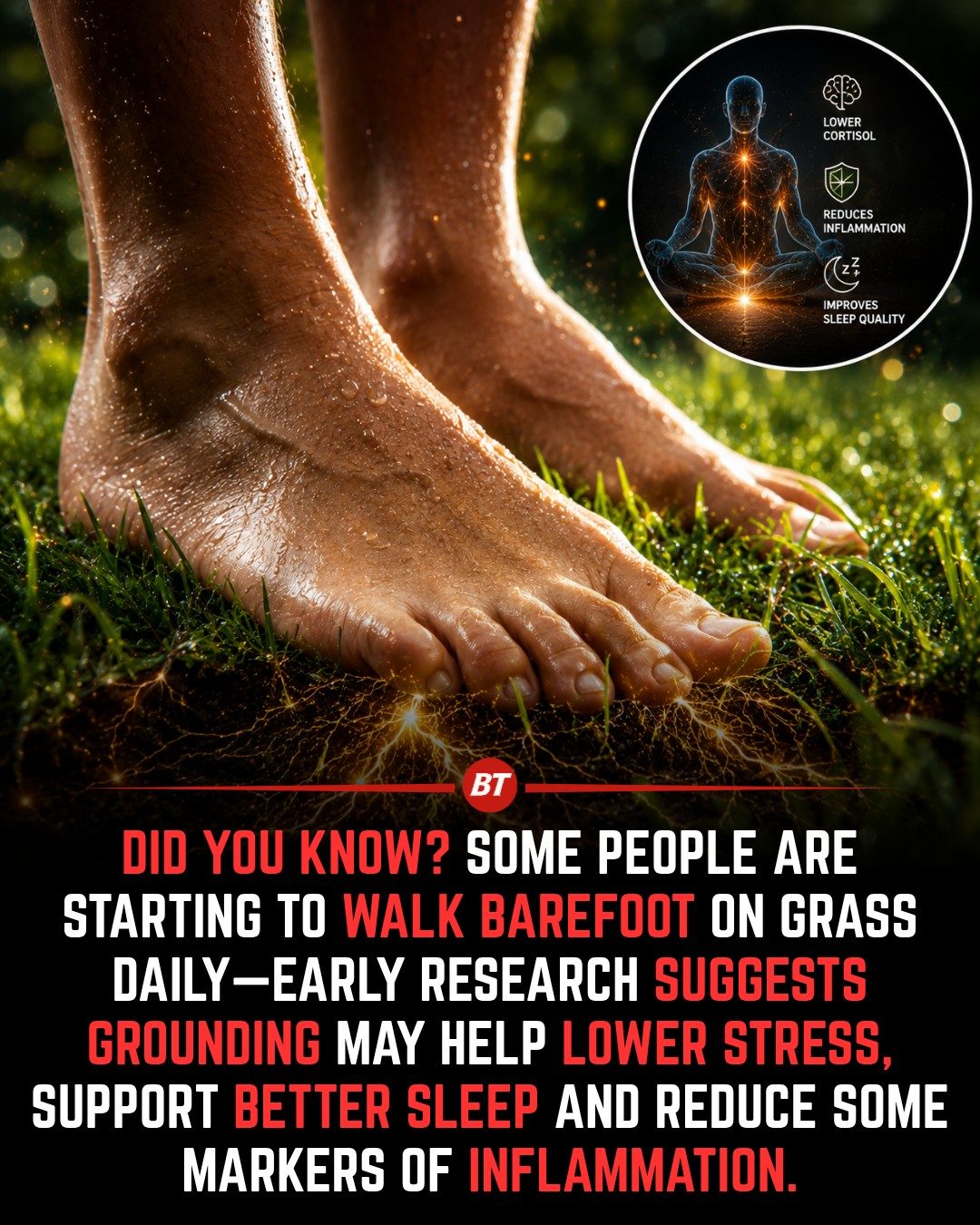
Grounding Benefits
Walking barefoot on grass, soil, or sand, a practice known as grounding or earthing, has gained attention for its potential health benefits. This simple habit involves direct contact with the Earth's surface and is believed to influence the body's electrical balance. Although the exact mechanisms are still under investigation, early research suggests that grounding may help reduce stress, improve sleep, and support overall well-being.
Context / Why This Matters
In today's fast-paced world, finding simple and effective ways to manage stress and improve sleep is crucial. Grounding offers a natural and accessible method to potentially enhance both physical and mental health. By engaging with nature in this way, individuals may experience a range of benefits, from reduced inflammation to better sleep quality and lower stress levels.
Main Discussion
What is Grounding?
Grounding, also known as earthing, is the practice of walking barefoot on natural surfaces like grass, soil, or sand. The idea behind this practice is that direct contact with the Earth may help regulate the body's electrical balance. This concept is rooted in the belief that the Earth's surface carries a natural, gentle negative charge, which can neutralize the positive charge that builds up in the body due to modern lifestyle factors, such as prolonged sitting, wearing shoes with insulating soles, and exposure to electromagnetic fields.
Potential Benefits of Grounding
Reduced Stress
Early research indicates that grounding may help lower stress levels. Several small clinical studies have reported that individuals who engage in grounding practices experience lower perceived stress. This effect is thought to be related to the regulation of the body's stress response, which can be influenced by the electrical balance affected by grounding.
Improved Sleep
Grounding has been associated with improved sleep quality. Participants in studies who practiced grounding reported better sleep patterns and overall sleep satisfaction. This benefit can be particularly valuable for those struggling with insomnia or restless sleep.
Reduced Inflammation
Another potential benefit of grounding is a reduction in certain markers of inflammation. Inflammation is a natural response to injury or infection, but chronic inflammation can contribute to a range of health issues, including heart disease, diabetes, and autoimmune disorders. Grounding may help decrease inflammation, potentially supporting overall health and well-being.
The Role of the Natural Environment
Beyond the specific benefits of grounding, spending time outdoors has well-established health benefits. Walking barefoot on natural surfaces encourages gentle foot movement, strengthens the small muscles of the feet, and improves balance and proprioception. Additionally, being in nature often promotes relaxation, which can further support mental health.
Practical Tips
How to Practice Grounding
To incorporate grounding into your daily routine, start by setting aside 15–30 minutes each day to walk barefoot on a safe, natural surface. Look for grass, sand, or soil that is free from sharp objects, chemicals, and animal waste. Ensure the area is clean and safe to walk barefoot.
Safety Considerations
While grounding can be beneficial, it's important to prioritize safety, especially for those with certain health conditions. People with diabetes or reduced sensation in their feet should consult a healthcare professional before walking barefoot. Always choose a clean and safe environment to avoid injury or infection.
Tips for Getting Started
- Find a Safe Location: Choose a natural setting like a local park, beach, or your backyard. Avoid areas with potential hazards.
- Set a Time: Dedicate a specific time each day for grounding, such as early morning or evening.
- Start Slowly: Begin with shorter sessions and gradually increase the duration as you become more comfortable.
- Stay Consistent: Make grounding a regular part of your routine to maximize potential benefits.
Important Takeaways
Grounding offers a simple and natural way to potentially reduce stress, improve sleep, and support overall well-being. While the scientific understanding of grounding is still developing, the practice aligns with the well-established benefits of spending time in nature. Incorporating grounding into your daily routine can be a calming and enjoyable way to enhance your health.
Conclusion
Walking barefoot on natural surfaces like grass, soil, or sand is a practice with potential health benefits. Grounding may help lower stress, improve sleep quality, and reduce inflammation. Additionally, the act of being in nature and engaging in gentle physical activity can contribute to better physical and mental health. Whether the benefits come from direct contact with the Earth, being outdoors, or a combination of both, taking a few minutes each day to practice grounding can be a valuable addition to a healthy lifestyle.
Watch the Reel
Questions readers ask
What is grounding or earthing and how does it work?
Grounding, or earthing, is the practice of connecting with the Earth's natural energy by walking barefoot on surfaces like grass, soil, or sand. It is believed to work by allowing the body to absorb free electrons from the Earth, which can help neutralize free radicals and reduce inflammation. This process may contribute to a range of health benefits, including stress reduction and improved sleep.
How can walking barefoot on grass help reduce stress?
Walking barefoot on grass can help reduce stress by influencing the body's electrical balance. Early research suggests that grounding may decrease cortisol levels, a hormone associated with stress, and promote a sense of calm and relaxation. Additionally, the simple act of being in nature can have a soothing effect on the mind and body.
Is it safe for everyone to practice grounding by walking barefoot outdoors?
While grounding is generally safe, it is not recommended for everyone, especially those with sensitive feet, certain medical conditions, or individuals who are immunocompromised. Always consult with a healthcare professional before starting any new health practice, and be cautious about walking barefoot in areas with potential hazards like sharp objects, allergens, or uneven surfaces.
Can grounding improve sleep, and if so, how?
Grounding may improve sleep by helping to regulate the body's internal rhythms and reducing stress. When the body is grounded, it can absorb free electrons from the Earth, which may help reduce inflammation and promote a more relaxed state. These factors can contribute to better sleep quality and a more refreshing night's rest.
What are some natural surfaces suitable for grounding?
Natural surfaces suitable for grounding include grass, soil, sand, and even bodies of water. These surfaces are conducive to the transfer of free electrons from the Earth to the body. It's important to choose safe and clean environments for grounding, avoiding areas with potential hazards or contaminants.
How long should I walk barefoot to experience the benefits of grounding?
The optimal duration for grounding can vary from person to person, but even a short period of 20-30 minutes a day can potentially provide benefits. Some people may choose to walk barefoot for longer periods, depending on their comfort level and the specific health benefits they are seeking. Consistency is key, so aim to incorporate grounding into your daily routine whenever possible.
Can grounding techniques be combined with other natural stress relief methods?
Yes, grounding techniques can be combined with other natural stress relief methods to enhance overall well-being. For example, you can pair grounding with deep breathing exercises, meditation, or yoga. Engaging in these activities while grounded can amplify the stress-reducing effects and provide a more comprehensive approach to managing stress and improving mental health.
Related deep dives
Similar reads based on topic and creator.




Recent articles
Fresh deep dives from the latest Reels we unpacked.




Comments
Be the first to comment.