The Unexpected Act of Kindness: A Waiter's Gesture of Help
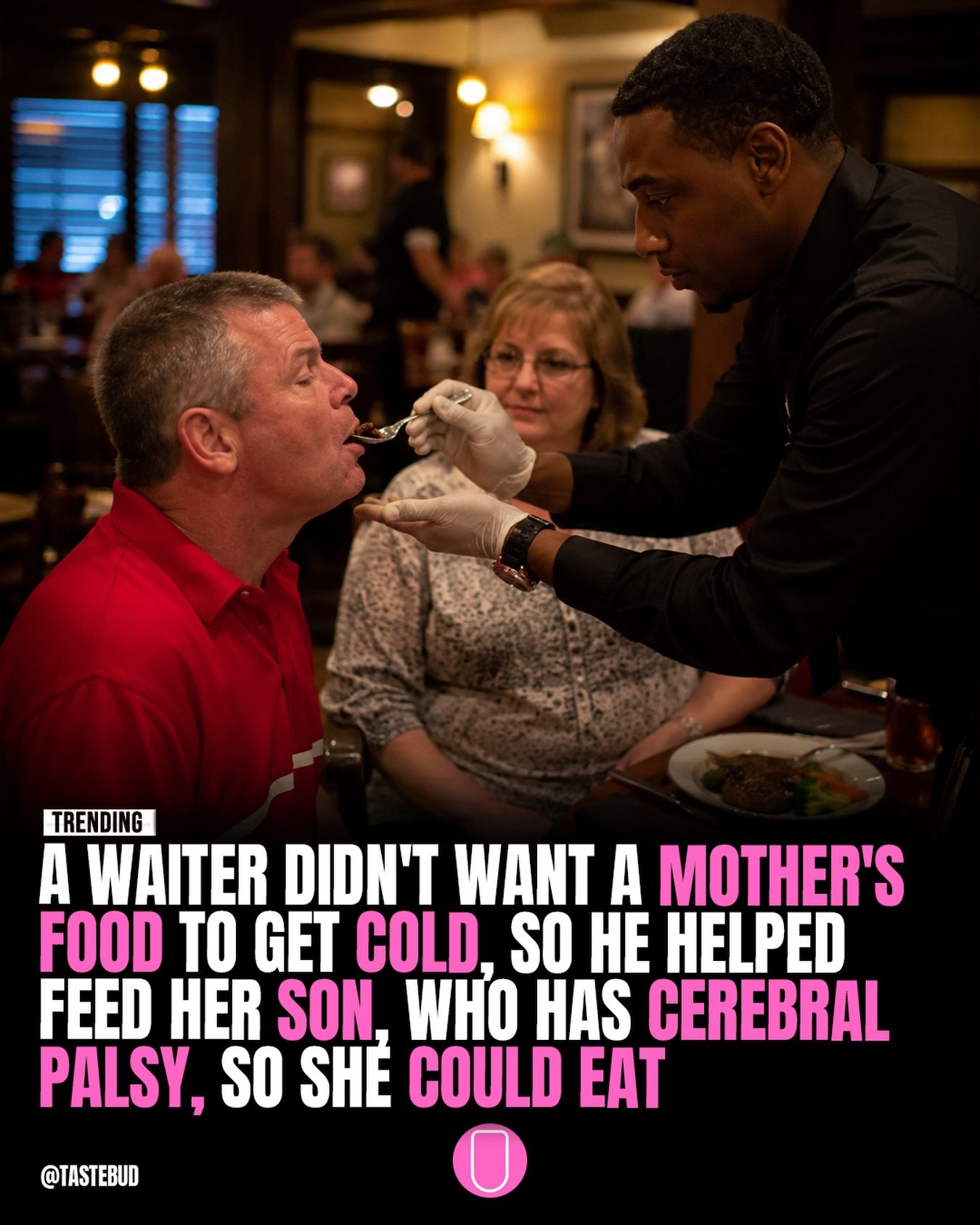
A simple act of kindness by a restaurant server in North Carolina made a lasting impact on a family dealing with a unique challenge. Back in 2016, a server at a restaurant noticed a mother struggling to eat while feeding her adult son, who has cerebral palsy. The server decided to step in and help, turning a mundane situation into a heartening moment of assistance.
Cerebral palsy is a group of disorders that affect movement and muscle tone or posture and can be caused by damage that occurs during or after birth or during early childhood. This condition can make everyday tasks, like eating, challenging for those affected.
The Scene at the Restaurant
In a bustling restaurant, a mother was trying to balance the needs of her son and her own meal. Her son, an adult with cerebral palsy, required assistance with eating, which made it difficult for her to enjoy her own food. This situation is not uncommon for caregivers of individuals with severe physical disabilities. The mother was grappling with the challenge of ensuring her son's needs were met while also trying to have a meal. But a waiter noticed the struggle and decided to intervene.
The Act of Kindness
The waiter, without hesitation, asked his coworkers to cover his tables and stepped in to help feed the son. This act was not just about assisting with a task; it was about making the moment feel natural and comfortable. The waiter chatted with the son, making the interaction feel ordinary and pleasant. He even offered the son his first oyster, a small yet meaningful gesture that turned a routine task into a memorable experience.
The Impact of the Gesture
The server's act of kindness was more than just a momentary help; it had a ripple effect that extended beyond the walls of the restaurant. The story went viral, touching the hearts of many and highlighting the power of small acts of kindness. But more importantly, it led to a real friendship between the server and the family. Over the years, the server continued to visit, and this simple act of assistance turned into a lasting bond.
Cerebral Palsy and Daily Challenges
Cerebral palsy presents unique challenges in daily activities, including eating. Individuals with cerebral palsy may have difficulty with chewing, swallowing, and controlling their movements, making mealtimes a complex task. This is why caregivers often need to be by their side, ensuring they are well-fed and safe. For the son in this story, this meant his mother had to be extra vigilant, often at the expense of her own needs.
The Role of Kindness in Daily Life
This story underscores the significance of small acts of kindness in our daily lives. It reminds us that service can go beyond the job description, extending to moments of genuine human connection. The waiter's decision to help was not just about doing his job; it was about recognizing a need and stepping in to alleviate it. This gesture is a testament to how we can all make a difference in someone's life, regardless of how small our action may seem.
Practical Tips for Caregivers in Public
For caregivers of individuals with disabilities, navigating public spaces can be challenging. Here are some practical tips to make the experience smoother:
Planning Ahead
Plan your meals in restaurants that offer disability-friendly services. Call ahead to discuss any special needs or accommodations that might be necessary.
Communicating Needs
Don't hesitate to communicate your needs to the staff. Most restaurants are willing to accommodate special requests, whether it's a quieter table or extra assistance.
Seeking Assistance
If you notice a staff member who is willing to help, don’t hesitate to accept their offer. Simple acts of kindness, like the one from the waiter, can significantly ease the burden of caregiving in public.
Building a Support Network
Look for communities and support groups for caregivers. They can provide valuable advice, emotional support, and practical tips for managing daily challenges.
Important Takeaways
This story serves as a reminder that kindness and empathy can make a world of difference. For the family, the server's act of kindness was not just a momentary help; it was a gesture that bridged the gap between strangers and created a lasting bond. It highlights the power of small acts of kindness and the importance of recognizing and responding to the needs of others.
Conclusion
The simple act of a waiter stepping in to help a family in need turned into a viral story of kindness. It reminded us all that service can go beyond the job description, extending to moments of genuine human connection. This story is a testament to how everyday interactions can turn into memorable experiences, fostering relationships that transcend ordinary transactions. The waiter's act of kindness continues to inspire, reminding us of the value of empathy and the power of small gestures.
Watch the Reel
Questions readers ask
Why did the waiter's actions stand out to the family in the story?
The waiter's actions stood out because he took the initiative to help feed the adult son with cerebral palsy, a task that the mother had been struggling to complete alone. This act of kindness demonstrated empathy and made the family feel supported during a challenging situation.
How does cerebral palsy affect a person's ability to eat?
Cerebral palsy can affect an individual's ability to eat by impairing muscle control and coordination. This can make tasks like holding utensils, bringing food to the mouth, and swallowing difficult, requiring assistance from others.
What sparked the waiter to help the family?
The waiter noticed the mother's struggle to feed her son while also trying to eat her own meal, recognizing the unique challenge posed to the family. His observation sparked a desire to assist, transforming a routine dining experience into an extraordinary one.
How can restaurants accommodate customers with disabilities more effectively?
Restaurants can accommodate customers with disabilities by training staff to recognize and assist with unique needs, providing accessible seating and utensils, and fostering a culture of empathy. Offering discreet assistance, like the waiter in this story, can significantly enhance the dining experience for customers with disabilities.
What impact did the waiter's kindness have on the family?
The waiter's kindness had a profound impact on the family, turning a routine but challenging meal into a memorable and heartwarming experience. His empathetic actions highlighted that simple acts of assistance can make a significant difference in the lives of those dealing with disabilities.
How can others be inspired by this story of kindness and empathy?
This story can inspire others to be more observant and willing to help those in need, demonstrating that acts of kindness do not require grand gestures. By being compassionate and proactive, individuals can make a positive difference in the lives of others, fostering a more supportive community.
Related deep dives
Similar reads based on topic and creator.




Recent articles
Fresh deep dives from the latest Reels we unpacked.




Comments
Be the first to comment.