Vitamin K2 and Bone Health
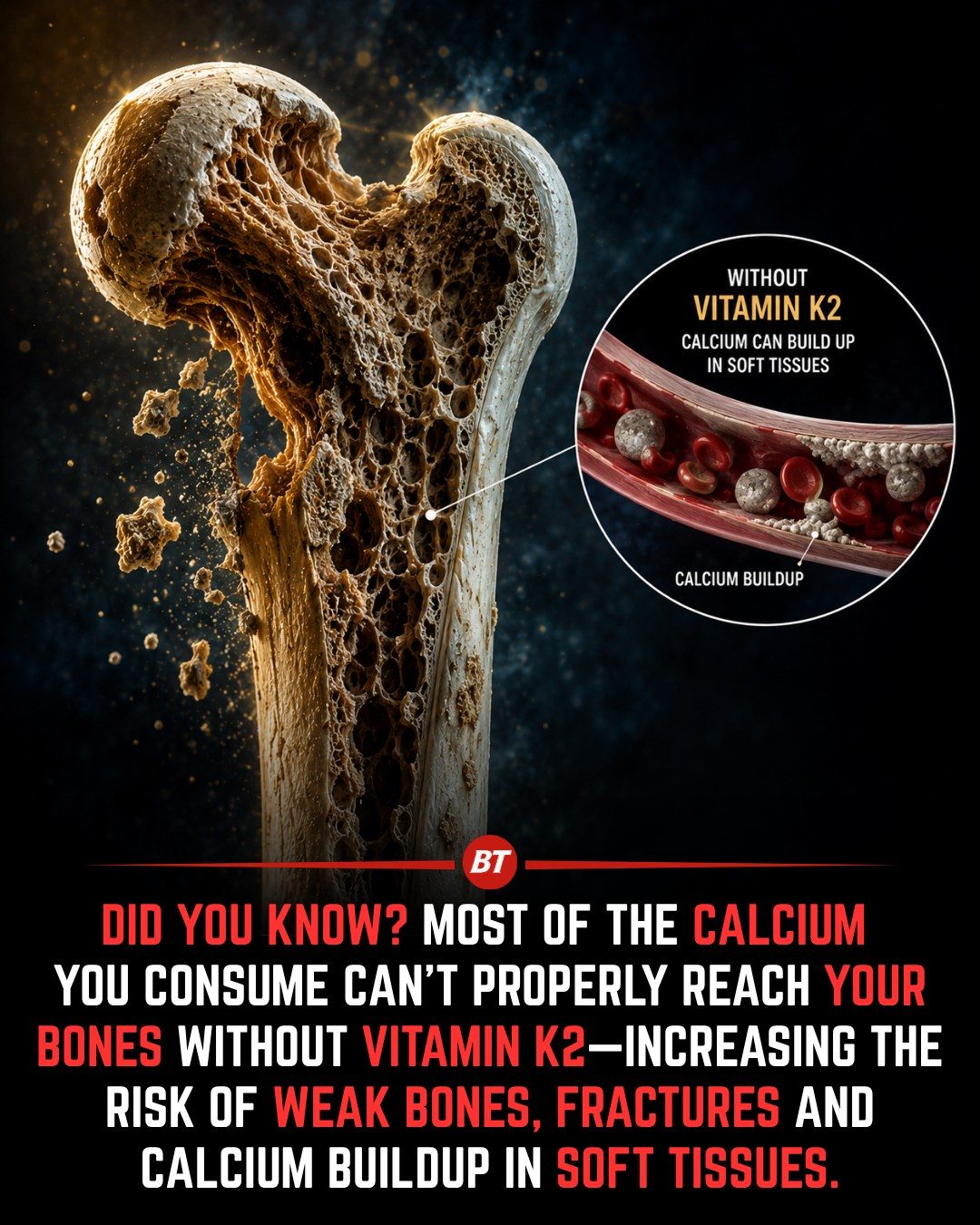
Calcium is a mineral that we often associate with strong bones. However, recent studies and research show that calcium is only part of the bone health equation. Without enough vitamin K2, most of the calcium you consume may not be directed to the places your body needs it most. This vitamin acts like a biological "traffic director" for calcium, helping to activate specialized proteins that guide calcium to bones and teeth and prevent it from accumulating in soft tissues.
Why This Matters
Bone health is a critical aspect of overall wellness, especially as we age. Understanding the role of vitamin K2 in calcium management can help prevent bone-related issues and improve general health. We need to look beyond just calcium supplements to maintain strong bones and healthy tissues.
The Importance of Vitamin K2
Vitamin K2 is crucial in the process of calcium management. It activates specialized proteins such as osteocalcin and matrix Gla protein (MGP). These proteins play a significant role in bone health:
- Osteocalcin helps bind calcium to the bone matrix, which is essential for maintaining strong and healthy bones.
- Matrix Gla protein (MGP) helps prevent calcium from accumulating in soft tissues like blood vessels, which can lead to serious health issues.
Without adequate vitamin K2, these proteins remain less active, making calcium management throughout the body less efficient. This inactivity can lead to weak bones, fractures, and even calcium buildup in soft tissues.
The Role of Calcium and Vitamin K2
Calcium Absorption and Vitamin D
Vitamin D is a key player in calcium absorption. It increases the amount of calcium absorbed from the intestines. However, vitamin D alone is not enough. Vitamin K2 helps guide that calcium toward bones and teeth, where it is needed most. Without vitamin K2, calcium can build up in soft tissues, leading to potential health risks.
The RISK OF INADEQUATE VITAMIN K2
People with low vitamin K status may have poorer bone quality and a higher risk of fractures as they age. Researchers are also investigating vitamin K2's role in supporting healthy arteries by helping regulate where calcium is deposited. This is an active area of research, and maintaining adequate intake of both vitamins D and K remains an important part of overall bone health.
When these nutrients work together, they support normal bone mineralization. This is a process where calcium is deposited in bones, making them stronger and more resilient. Without vitamin K2, this process is less efficient, leading to weaker bones and an increased risk of fractures.
Practical Tips
To maintain strong bones and healthy tissues, consider the following tips:
- Foods rich in Vitamin K2: Incorporate foods such as natto, certain aged cheeses, egg yolks, liver, and fermented dairy products into your diet. Grass-fed dairy may also contain higher amounts of vitamin K2 than conventional dairy, although levels can vary depending on the animal's diet.
- Pair with Calcium-rich Foods: Pair calcium-rich foods with adequate vitamin D and vitamin K2 to support bone health.
- Stay Active: Engage in regular physical activity and include weight-bearing exercises to help keep your bones strong as you age.
Nutrients Beyond Vitamin K2
While vitamin K2 is essential for bone health, it is not the only nutrient that plays a role. Other key nutrients include:
- Vitamin D: Essential for calcium absorption from the intestines.
- Magnesium: Helps with calcium absorption and bone formation.
- Zinc: Plays a role in bone mineralization and collagen synthesis.
- Phosphorus: Works with calcium to build and maintain bones.
Supplements and Fortified Foods
If you struggle to get enough vitamin K2 from your diet, consider supplements or fortified foods. However, it is always best to consult with a healthcare provider before starting any new supplement regimen.
Important Takeaways
When it comes to bone health, calcium is only part of the equation. Vitamin K2 plays a crucial role in guiding calcium to the right places in the body, preventing buildup in soft tissues, and supporting overall bone health. By understanding and incorporating this vital nutrient into your diet, you can help ensure strong bones and healthy tissues as you age.
Conclusion
Vitamin K2 is a vital nutrient that often goes overlooked in discussions about bone health. By acting as a biological "traffic director" for calcium, vitamin K2 helps guide this essential mineral to bones and teeth, preventing buildup in soft tissues, and supporting overall bone health. To maintain strong bones and healthy tissues, consider incorporating vitamin K2-rich foods into your diet, staying physically active, and including regular weight-bearing exercises. Remember, bone health is a complex process that involves a variety of nutrients and lifestyle factors. By understanding and addressing these elements, you can help support your bones and overall well-being.
Watch the Reel
Questions readers ask
What are the key benefits of vitamin K2 for bone health?
Vitamin K2 plays a pivotal role in bone health by directing calcium to bones and teeth, preventing calcium buildup in soft tissues, and reducing the risk of fractures. It activates proteins that manage calcium efficiently, ensuring that the mineral is used where it's needed most.
How does vitamin K2 aid in calcium absorption?
Vitamin K2 works as a biological traffic director, helping to activate specialized proteins that guide calcium to the bones and teeth. This process ensures that calcium is absorbed effectively and utilized properly, supporting overall bone health.
What happens if there is not enough vitamin K2 in the body?
Insufficient vitamin K2 can lead to poor calcium management, resulting in weakened bones and an increased risk of fractures. Calcium may accumulate in soft tissues like blood vessels, potentially leading to health issues such as atherosclerosis.
What are some good dietary sources of vitamin K2?
Vitamin K2 can be found in various dairy products, such as hard cheeses, butter, and fermented foods. Natto, a traditional Japanese dish made from fermented soybeans, is also a rich source of vitamin K2. Including these foods in your diet can help ensure adequate intake of this vital nutrient.
Can vitamin K2 help prevent bone fractures?
Yes, vitamin K2 plays a crucial role in bone fracture prevention. By efficiently managing calcium and directing it to the bones, vitamin K2 helps maintain strong bone structure, reducing the likelihood of fractures. This is particularly important as we age and our bones become more fragile.
How does vitamin K2 prevent calcium buildup in soft tissues?
Vitamin K2 activates proteins known as matrix GLA proteins (MGP) which help inhibit calcium from accumulating in soft tissues. This prevents issues such as arterial calcification, where calcium buildup can harden blood vessels and lead to cardiovascular problems.
What role does vitamin K2 play in maintaining strong teeth?
In addition to its benefits for bones, vitamin K2 helps maintain strong teeth by guiding calcium to the dentin and enamel. This ensures that teeth remain strong and resilient, reducing the risk of dental issues and supporting overall oral health.
Related deep dives
Similar reads based on topic and creator.




Recent articles
Fresh deep dives from the latest Reels we unpacked.




Comments
Be the first to comment.