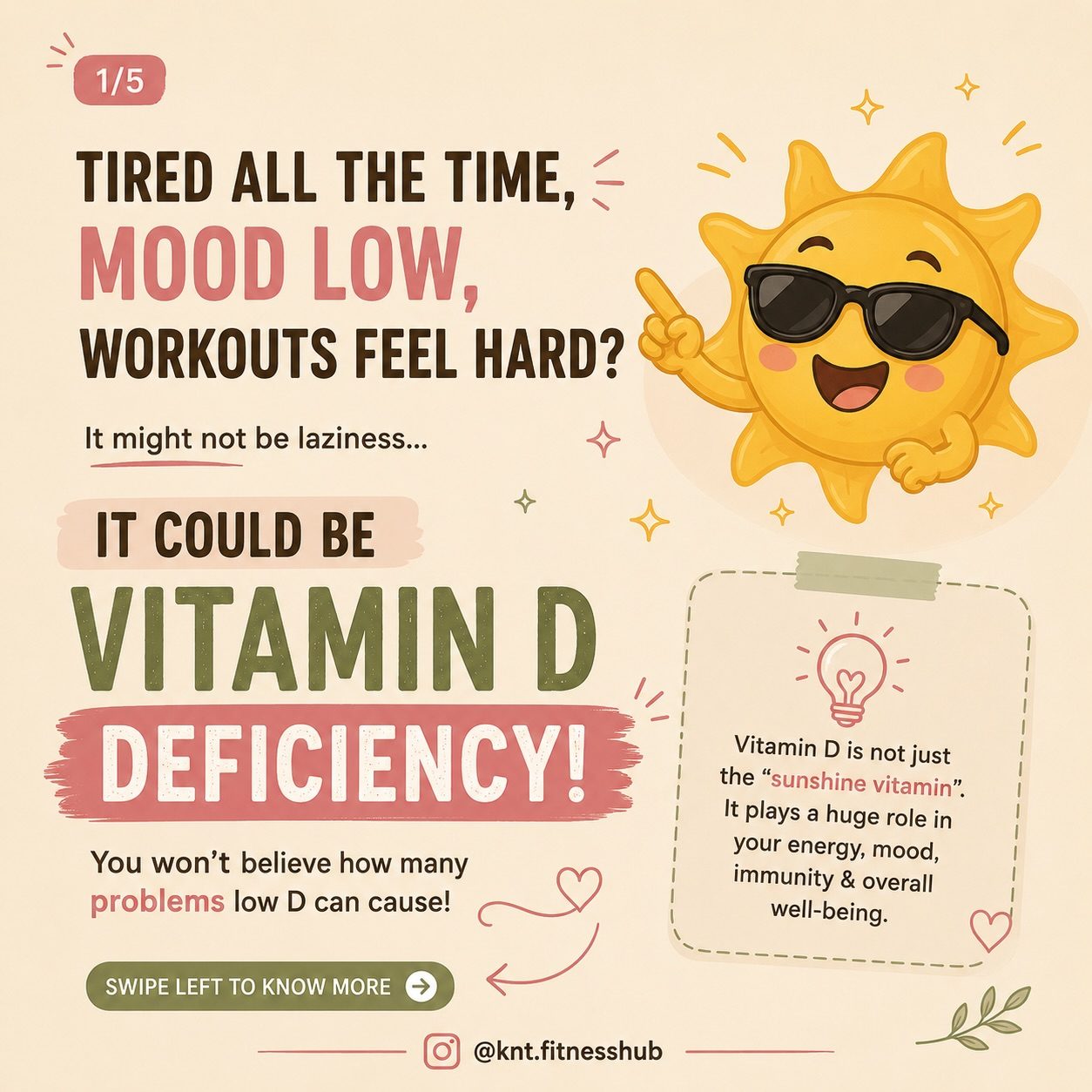
Vitamin D Deficiency
Vitamin D deficiency is a widespread issue that many people overlook. It can significantly impact various aspects of health, from energy levels to mood and even hair health. Understanding the signs, sources, and ways to improve vitamin D levels is crucial for maintaining overall well-being.
Why This Matters
Vitamin D is essential for numerous bodily functions, including calcium absorption, bone health, and immune function. Deficiency in this vitamin can lead to a range of symptoms that might go unnoticed or be misattributed to other causes. Recognizing the signs and taking proactive steps can prevent serious health issues.
Main Discussion
Symptoms of Vitamin D Deficiency
Vitamin D deficiency can manifest in various ways, many of which are often overlooked. Common symptoms include:
- Constant Fatigue and Low Energy: Feeling tired all the time, no matter how much rest you get, can be a sign of low vitamin D levels.
- Low Mood and Irritability: Persistent feelings of sadness, irritability, or depression may be linked to vitamin D deficiency.
- Muscle and Bone Pain: Unexplained muscle and bone pain can indicate a lack of vitamin D, as it plays a crucial role in bone health.
- Weak Immune System: Frequent illnesses and infections may be a sign that your immune system is not functioning optimally due to low vitamin D levels.
- Hair Fall and Thinning: Hair loss and thinning can be another symptom of vitamin D deficiency.
- Poor Sleep and Restless Nights: Difficulty sleeping and restless nights can also be associated with low vitamin D levels.
Sources of Vitamin D
Vitamin D can be obtained from several sources, including:
- Sunlight: The body produces vitamin D when exposed to sunlight. Spending a few minutes in the sun daily can help boost your vitamin D levels. However, it's important to balance this with sun protection to avoid skin damage.
- Fatty Fish: Foods like salmon, mackerel, and tuna are rich in vitamin D.
- Egg Yolks: Egg yolks contain small amounts of vitamin D, making them a good addition to a balanced diet.
- Fortified Foods: Many foods, such as milk, cereals, and plant-based milks, are fortified with vitamin D.
- Supplements: Vitamin D supplements are available in various forms, including pills, gels, and drops. These can be particularly useful for individuals who have difficulty getting enough vitamin D from their diet or sunlight exposure.
Improving Vitamin D Levels
If you suspect you have a vitamin D deficiency, there are several steps you can take to improve your levels:
- Get Daily Sunlight: Spend a few minutes in the sun each day, preferably during peak hours when the sun's rays are strongest. Avoid overexposure to prevent sun damage.
- Eat a Balanced Diet: Include foods rich in vitamin D, such as fatty fish, egg yolks, and fortified foods, in your daily meals.
- Stay Active: Regular physical activity can help improve vitamin D absorption and overall health.
- Manage Stress: High stress levels can negatively impact vitamin D absorption. Practice stress-reducing activities like meditation, yoga, or deep breathing exercises.
- Get Your Levels Checked: If you experience persistent symptoms of vitamin D deficiency, consult a healthcare provider. A blood test can confirm your vitamin D levels and guide appropriate supplementation or lifestyle changes.
Practical Tips
- Monitor Your Symptoms: Keep track of symptoms like fatigue, mood changes, and muscle pain. If they persist, consider getting your vitamin D levels checked.
- Dietary Adjustments: Incorporate more vitamin D-rich foods into your diet. Aim for a variety of sources to ensure you're getting enough.
- Sun Exposure: While getting enough sunlight, ensure you use sunscreen to protect your skin from harmful UV rays. Aim for 10-15 minutes of direct sunlight on your face, arms, and legs without sunscreen.
Important Takeaways
- Vitamin D deficiency is more common than many people realize and can affect multiple aspects of health.
- Recognizing the symptoms of vitamin D deficiency is the first step in addressing the issue.
- There are several sources of vitamin D, including sunlight, certain foods, and supplements.
- Improving vitamin D levels involves a combination of lifestyle changes, dietary adjustments, and, if necessary, supplementation.
Conclusion
Vitamin D deficiency is a prevalent health issue that can have far-reaching effects on your well-being. By recognizing the symptoms, understanding the sources, and taking proactive steps, you can improve your vitamin D levels and enhance your overall health. If you suspect you have a deficiency, consult a healthcare provider for guidance tailored to your specific needs.
Watch the Reel
Questions readers ask
What are the most common symptoms of vitamin D deficiency?
The most common symptoms of vitamin D deficiency include constant fatigue, muscle pain, and frequent illnesses. Additionally, individuals may experience mood changes, bone pain, and even hair loss. These symptoms can often be subtle, making it important to be aware of the signs.
How does vitamin D deficiency affect hair health?
Vitamin D deficiency can affect hair health by disrupting the normal hair growth cycle. This can lead to hair thinning, hair loss, and a dry, flaky scalp. Maintaining adequate vitamin D levels can help promote healthier hair and scalp conditions.
What are some natural ways to boost vitamin D levels?
Natural ways to boost vitamin D levels include increased sunlight exposure, especially during peak hours, and consuming foods rich in vitamin D. Foods such as fatty fish (salmon, mackerel, tuna), fortified dairy products, and egg yolks are excellent sources of vitamin D.
Can vitamin D supplements help with mood regulation?
Yes, vitamin D supplements can help with mood regulation. Vitamin D plays a crucial role in brain function and has been linked to mood regulation. Deficiency in vitamin D has been associated with depression and anxiety, so ensuring adequate vitamin D levels through supplements can support mental well-being.
Why is vitamin D important for preventing frequent illnesses?
Vitamin D is essential for immune function, and low vitamin D levels can weaken the immune system, making individuals more susceptible to infections and illnesses. Maintaining optimal vitamin D levels can help bolster the immune system and reduce the frequency and severity of illnesses.
How does vitamin D deficiency cause muscle pain?
Vitamin D is crucial for muscle function and the maintenance of muscle tissue. Deficiency can lead to muscle weakness, pain, and cramps. Ensuring adequate vitamin D levels through sunlight exposure, diet, or supplements can help alleviate muscle pain and improve overall muscle health.
Related deep dives
Similar reads based on topic and creator.




Recent articles
Fresh deep dives from the latest Reels we unpacked.




Comments
Be the first to comment.