Vitamin D Deficiency: Recognizing the Signs and Boosting Your Levels
Vitamin D deficiency is a widespread issue that often goes unnoticed, affecting energy levels, bone health, immune function, mood, and even hair health. Unlike many other nutrients, vitamin D can be synthesized by the body when the skin is exposed to sunlight. However, modern lifestyles and geographical locations can make it challenging to get enough sunlight exposure, leading to deficiencies. Here, we delve into the importance of vitamin D, the signs of deficiency, and practical ways to boost your levels.
Why Vitamin D Matters
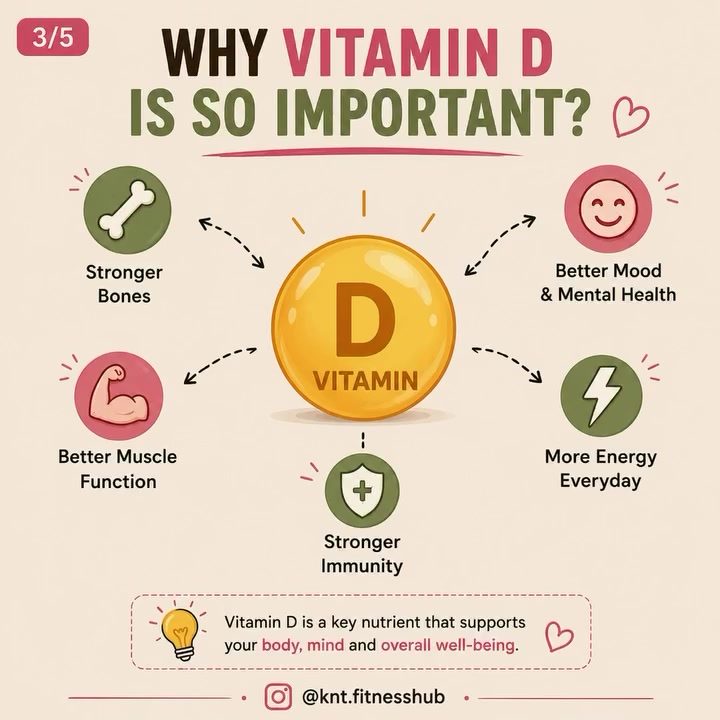
Vitamin D is critical for maintaining overall health and well-being. It plays a pivotal role in several bodily functions, making it an essential nutrient. Here are some of the key benefits of adequate vitamin D levels:
-
Stronger Bones: Vitamin D helps the body absorb calcium, which is crucial for building and maintaining strong bones. Deficiency can lead to conditions like osteoporosis and increased risk of fractures.
-
Better Mood and Mental Health: Research has shown a link between vitamin D levels and mental health. Adequate vitamin D can help improve mood and reduce the risk of depression.
-
Improved Muscle Function: Vitamin D is essential for muscle function and can help prevent muscle weakness and pain.
-
Increased Energy Levels: Many people report feeling tired and low on energy when they are deficient in vitamin D. Addressing a deficiency can lead to a noticeable boost in energy.
-
Enhanced Immunity: Vitamin D supports the immune system, helping the body fight off infections and diseases more effectively.
Common Signs of Low Vitamin D
Recognizing the signs of vitamin D deficiency is the first step toward addressing it. While some symptoms are obvious, others may be less apparent. Here are some of the most common indicators:
-
Constant Fatigue and Low Energy: Persistent tiredness that doesn't improve with rest can be a sign of vitamin D deficiency.
-
Low Mood and Irritability: Feeling depressed or irritable without an obvious cause may indicate a vitamin D deficiency. This is particularly true if these feelings are accompanied by other symptoms.
-
Muscle and Bone Pain: Chronic pain in the muscles and bones can be a result of low vitamin D levels. This is because vitamin D is essential for muscle and bone health.
-
Weak Immunity: If you find yourself getting sick frequently, it could be due to a compromised immune system caused by vitamin D deficiency.
-
Hair Fall and Thinning: Deficiency in vitamin D can lead to hair loss and thinning. This is often one of the less obvious symptoms but can be a significant indicator.
-
Poor Sleep and Restless Nights: Difficulty sleeping or feeling restless at night can also be linked to low vitamin D levels.
Top Sources of Vitamin D
Getting enough vitamin D can be achieved through various means, including natural sources, fortified foods, and supplements. Here are the top ways to boost your vitamin D intake:
-
Sunlight: Sunlight is the best natural source of vitamin D. Aim for 15-20 minutes of sunlight exposure daily, preferably in the morning. Be sure to protect your skin with sunscreen and clothing after this period to avoid harmful UV rays.
-
Food Sources: Incorporating vitamin D-rich foods into your diet can help maintain optimal levels. Some of the best food sources include:
- Fatty fish like salmon, mackerel, and sardines.
- Egg yolks.
- Mushrooms, particularly those exposed to UV light.
-
Fortified Foods: Many foods are fortified with vitamin D, making them an easy way to boost your intake. Common fortified foods include:
- Milk and other dairy products.
- Cereals and plant-based milks.
-
Supplements: If diet and sunlight exposure are not sufficient, vitamin D supplements can be a practical solution. Vitamin D3 supplements are particularly effective and can be recommended by your healthcare provider.
Practical Tips for Boosting Vitamin D Levels
Incorporating simple habits into your daily routine can significantly improve your vitamin D levels and overall health. Here are some practical tips:
-
Get Daily Sunlight Exposure: Spend 10-20 minutes in the sunlight daily, preferably in the morning. This will help your body produce vitamin D naturally.
-
Eat a Balanced, Nutrient-Rich Diet: Include foods rich in vitamin D in your meals. Focus on fatty fish, egg yolks, and fortified foods.
-
Stay Active: Regular physical activity can help improve your overall health, including vitamin D absorption and utilization.
-
Manage Stress: High stress levels can negatively impact your health, including vitamin D levels. Practice stress management techniques like meditation, yoga, or deep breathing exercises.
-
Get Your Vitamin D Levels Checked: If you experience any of the symptoms mentioned earlier, consult a healthcare provider. A simple blood test can confirm your vitamin D levels and guide you on the appropriate course of action.
-
Aim for Quality Sleep: Aim for 7-9 hours of quality sleep per night. Adequate sleep supports overall health and can help regulate vitamin D levels.
Important Takeaways
Vitamin D is a crucial nutrient that supports various aspects of your health, from bone strength to mood and immunity. Recognizing the signs of deficiency and taking proactive steps to boost your levels can significantly improve your well-being. Whether through natural sunlight, a balanced diet, or supplements, ensuring adequate vitamin D intake is essential for maintaining optimal health.
Conclusion
Vitamin D deficiency is a common but often overlooked issue that can have far-reaching effects on your health. By understanding the importance of vitamin D, recognizing the signs of deficiency, and taking practical steps to boost your levels, you can support your body's overall well-being. Incorporate these habits into your daily routine and consult a healthcare provider if you suspect a deficiency. Small changes today can lead to significant health improvements tomorrow.
Watch the Reel
Questions readers ask
What are some common symptoms of vitamin D deficiency?
Symptoms of vitamin D deficiency can be subtle and varied. Common signs include persistent fatigue, muscle weakness or aches, frequent bone fractures, and even mood changes such as depression or anxiety. Additionally, some individuals may experience poor sleep quality and increased stress levels when vitamin D levels are low.
How does vitamin D impact energy levels and mood?
Vitamin D plays a crucial role in regulating mood and energy levels. Deficiency can lead to fatigue and increased feelings of sadness or irritability. Conversely, adequate vitamin D levels support a healthy metabolism and can help maintain balanced moods which improves overall productivity and well-being.
What are some natural ways to boost vitamin D levels?
Natural ways to boost vitamin D levels include spending more time in sunlight, particularly during peak hours, and incorporating foods rich in vitamin D into your diet, such as fatty fish, egg yolks, and fortified dairy products. Additionally, some individuals may consider taking supplements containing vitamin D.
How does vitamin D support bone health and muscle function?
Vitamin D is essential for bone health as it aids in the absorption of calcium, a vital mineral for bone strength. Deficiency can lead to conditions like osteoporosis and increased risk of fractures. Moreover, vitamin D helps maintain muscle function and strength, reducing the risk of muscle weakness and falls.
What role does vitamin D play in immune function and overall health?
Vitamin D plays a significant role in supporting a healthy immune system by helping to activate immune cells that fight off infections and diseases. It also contributes to overall health by supporting various bodily functions, including brain function, heart health, and even hair health. A deficiency can weaken the immune system and contribute to various health issues.
How can I test for vitamin D deficiency and what are the next steps?
A blood test, specifically a 25-hydroxy vitamin D test, is the most reliable way to determine vitamin D levels. If the results indicate a deficiency, consult a healthcare provider to discuss appropriate next steps. These may include dietary changes, increased sunlight exposure, or vitamin D supplements based on the severity of the deficiency.
Why is sunlight exposure important for vitamin D levels?
Sunlight exposure is crucial for vitamin D production as the skin synthesizes vitamin D when exposed to UVB rays. However, factors like sunscreen use, clothing, and geographical location can affect the amount of vitamin D produced. Aim for moderate, safe sun exposure, around 15 minutes a day, several times a week, without sunscreen, to boost vitamin D levels.
Related deep dives
Similar reads based on topic and creator.




Recent articles
Fresh deep dives from the latest Reels we unpacked.




Comments
Be the first to comment.