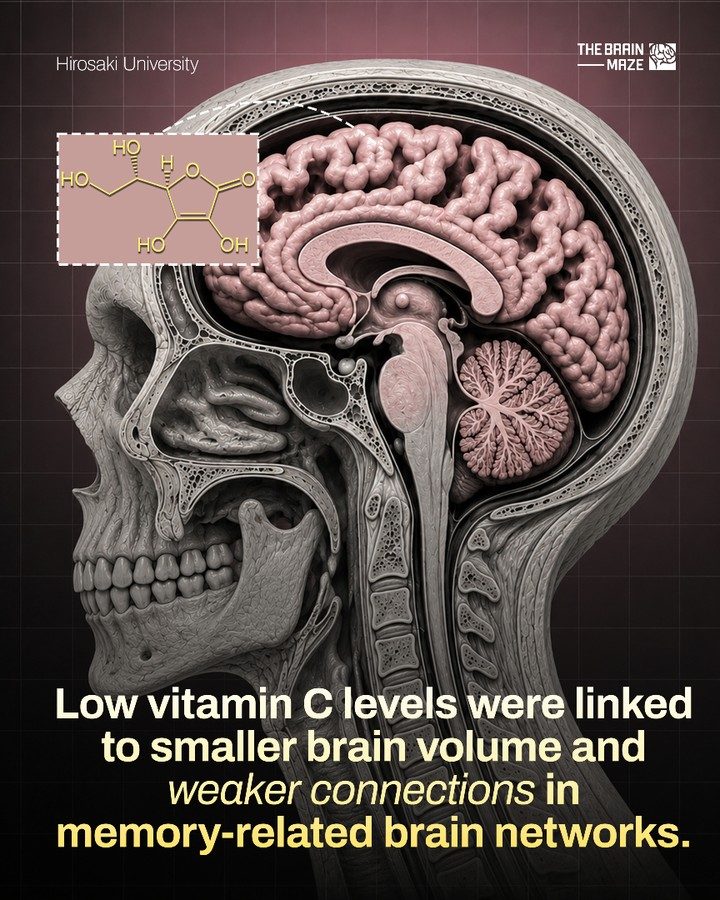
Brain Health and Vitamin C
Vitamin C is renowned for its role in supporting the immune system, but new research suggests it may also play a crucial role in brain health. A recent study conducted at Hirosaki University in Japan found that older adults with higher vitamin C levels exhibited healthier brain structures and stronger connections in areas associated with memory and attention. Although the findings do not definitively prove that vitamin C prevents brain aging, they strongly imply that maintaining adequate vitamin C levels through a balanced diet can support long-term brain health.
Context / Why This Matters
Brain health is a critical aspect of overall well-being, particularly as we age. Memory, attention, and cognitive functions are vital for daily activities and quality of life. The brain's structure and the strength of its neural connections are key indicators of cognitive health. Understanding the factors that influence these aspects can help in developing strategies to support long-term brain health.
Main Discussion
The Role of Vitamin C in Brain Health
Vitamin C, or ascorbic acid, is a powerful antioxidant that supports various physiological functions, including immune health, collagen production, and iron absorption. The new study from Hirosaki University adds another dimension to vitamin C's benefits by linking higher levels of this vitamin to better brain health in older adults. Specifically, the research indicates that individuals with higher vitamin C levels had healthier brain structures and stronger connections in brain regions linked to memory and attention.
How Vitamin C Affects Brain Structure
The brain's structure and neural connections are essential for cognitive functions like memory and attention. The study found that low vitamin C levels were associated with smaller brain volumes, particularly in areas critical for memory. This suggests that vitamin C may play a role in maintaining the integrity of these brain regions, potentially helping to preserve cognitive function as we age. The findings are supported by the graphic visualization from the source, which clearly illustrates the impact of low vitamin C levels on memory-related brain networks.
Memory and Attention
Memory and attention are fundamental cognitive processes that enable us to learn, adapt, and navigate daily life. The brain regions most affected by vitamin C levels in this study are those involved in these processes. Stronger neural connections in these areas can enhance cognitive performance, while weaker connections may lead to declines in memory and attention. This underscores the importance of maintaining adequate vitamin C levels for cognitive health.
Practical Tips
Incorporating Vitamin C into Your Diet
Given the potential benefits of vitamin C for brain health, it's essential to ensure that you're getting enough of this vital nutrient. Here are some practical tips for incorporating vitamin C into your diet:
- Eat a Variety of Fruits and Vegetables: Fruits and vegetables are excellent sources of vitamin C. Citrus fruits like oranges, grapefruits, and lemons, as well as berries, kiwis, and bell peppers, are particularly rich in vitamin C. Aim to include a diverse range of colorful produce in your meals to maximize your vitamin C intake.
- Fortified Foods and Supplements: If you find it challenging to get enough vitamin C from your diet alone, consider fortified foods or supplements. Fortified juices, cereals, and multivitamins can provide additional vitamin C. However, it's always best to consult with a healthcare provider before starting any new supplement regimen.
- Smoking and Vitamin C: Smokers often have lower vitamin C levels due to the increased oxidative stress caused by smoking. Quitting smoking can help improve vitamin C levels and overall health. Additionally, smokers may need to consume more vitamin C-rich foods or consider supplements to meet their daily requirements.
Lifestyle Factors
While vitamin C is crucial, other lifestyle factors also play a significant role in brain health:
- Regular Physical Activity: Engaging in regular physical activity can enhance brain health by improving blood flow, reducing inflammation, and promoting the growth of new brain cells. Aim for at least 150 minutes of moderate-intensity or 75 minutes of vigorous-intensity aerobic activity per week, along with strength training exercises at least two days a week.
- Mental Stimulation: Keeping your mind active through puzzles, reading, learning new skills, and social interactions can help maintain cognitive function. Engaging in mentally stimulating activities can also promote the formation of new neural connections, which supports long-term brain health.
- Adequate Sleep: Getting enough sleep is essential for brain health. During sleep, the brain consolidates memories, removes waste products, and repairs itself. Aim for 7-9 hours of quality sleep per night to support optimal brain function.
Research on Vitamin C and Brain Health
While the study from Hirosaki University provides valuable insights into the relationship between vitamin C and brain health, more research is needed to fully understand this connection. Future studies should aim to:
- Determine Optimal Vitamin C Levels: Establish the optimal range of vitamin C levels for cognitive health and identify how much vitamin C is needed to support brain function.
- Long-Term Effects: Investigate the long-term effects of vitamin C supplementation on brain health, including its potential to slow cognitive decline and prevent age-related neurodegenerative diseases.
- Mechanisms of Action: Explore the mechanisms by which vitamin C influences brain structure and function, including its role in neurogenesis, synaptic plasticity, and neuroinflammation.
Important Takeaways
- Vitamin C may play a crucial role in maintaining brain health, particularly in older adults.
- Higher vitamin C levels are associated with healthier brain structures and stronger connections in areas linked to memory and attention.
- While vitamin C does not definitively prevent brain aging, maintaining adequate levels through a balanced diet can support long-term brain health.
Conclusion
The link between vitamin C and brain health is an exciting area of research that offers new insights into how we can support cognitive function as we age. By incorporating vitamin C-rich foods into our diets and adopting a healthy lifestyle, we can potentially enhance our brain health and maintain optimal cognitive function. As research continues to uncover the complexities of this relationship, it's clear that vitamin C is a vital nutrient with far-reaching benefits that go beyond supporting the immune system.
Watch the Reel
Questions readers ask
How does vitamin C contribute to brain health in older adults?
Vitamin C plays a significant role in maintaining brain health by supporting healthier brain structures and enhancing neural connections. Studies have shown that older adults with higher vitamin C levels have improved brain function in areas related to memory and attention.
What are the key areas of the brain affected by vitamin C levels?
Vitamin C particularly impacts regions of the brain responsible for memory and attention. Adequate vitamin C levels are associated with healthier brain structures and stronger neural connections in these critical areas, which are vital for cognitive functions.
Can vitamin C supplements improve cognitive function?
While a balanced diet is the best way to maintain adequate vitamin C levels, supplements can be considered if dietary intake is insufficient. However, it's important to consult with a healthcare provider before starting any supplement regimen to ensure it's suitable for your individual needs.
What are the symptoms of low vitamin C levels related to brain health?
Low vitamin C levels may manifest in cognitive functions such as memory lapses, reduced attention span, and overall cognitive decline. If you experience these symptoms, it's important to assess your vitamin C intake and consult with a healthcare professional.
How can older adults ensure they are getting enough vitamin C for brain health?
Older adults can maintain adequate vitamin C levels by consuming a variety of fruits and vegetables rich in vitamin C, such as citrus fruits, bell peppers, and broccoli. Incorporating these foods into a balanced diet can support long-term cognitive well-being.
What are the benefits of vitamin C for memory and attention in older adults?
Vitamin C supports memory and attention by enhancing brain structures and neural connections in the relevant regions. Maintaining optimal vitamin C levels can help older adults preserve these cognitive functions, which are essential for daily activities and overall quality of life.
Are there any risks associated with high vitamin C intake for brain health?
Excessive vitamin C intake from supplements can lead to side effects such as digestive issues and kidney stones. It's generally best to obtain vitamin C through a balanced diet, as the body can regulate the absorption of vitamin C from food more effectively. Always consult with a healthcare provider before significantly increasing your vitamin C intake.
Related deep dives
Similar reads based on topic and creator.


Recent articles
Fresh deep dives from the latest Reels we unpacked.




Comments
Be the first to comment.