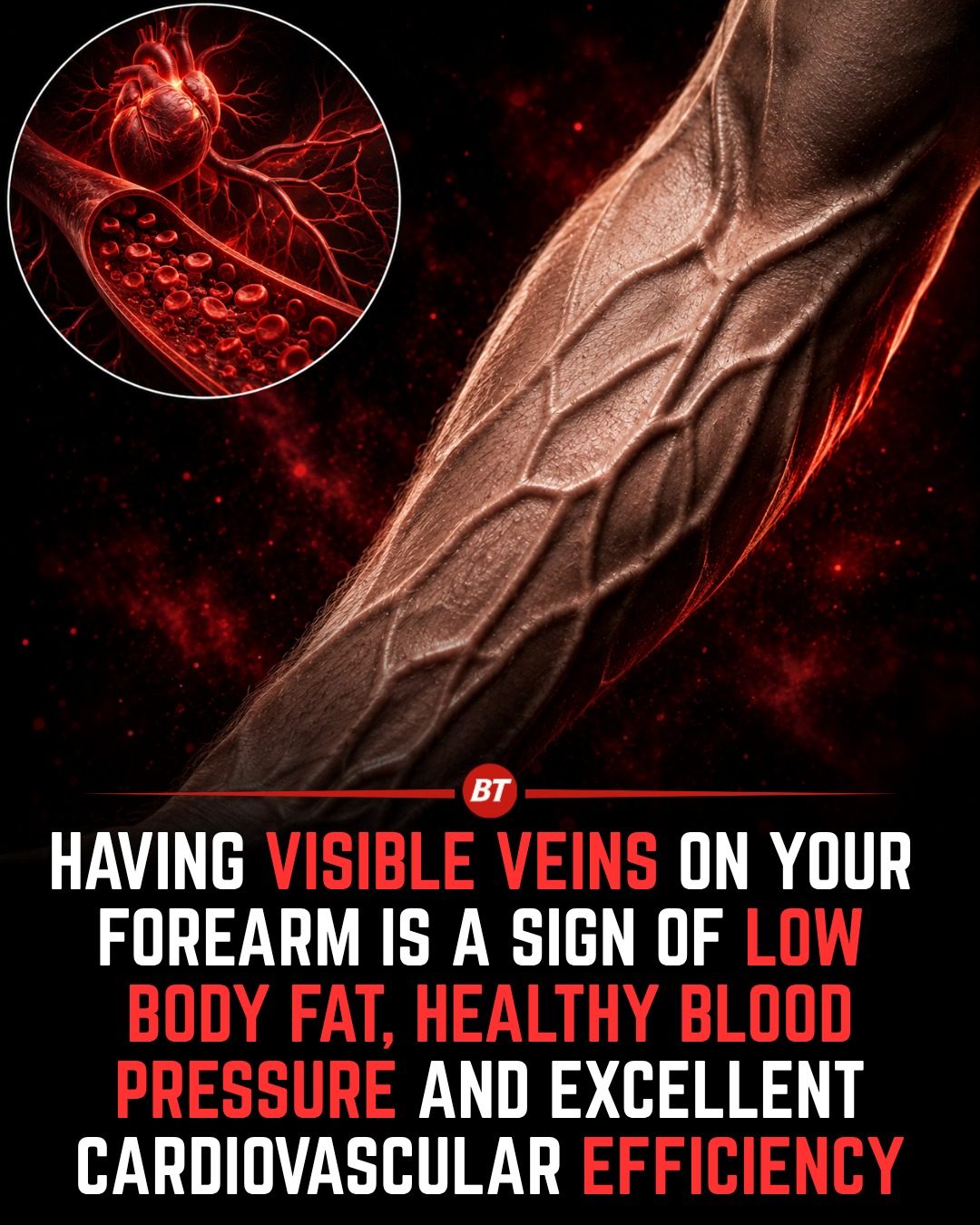
Visible Veins and What They Say About Your Health
Visible veins, particularly on the forearms, often garner attention in fitness circles. They can indicate more about body composition and overall health than one might initially think. Understanding what visible veins signify involves looking at various factors, including body fat, muscle definition, and cardiovascular health.
Why This Matters
Visible veins are often seen as a badge of honor in the fitness world, but their prominence can tell a more nuanced story about your body and health. Knowing what visible veins indicate can help you assess your overall well-being and make informed decisions about your fitness and lifestyle choices.
Main Discussion
Body Composition and Visible Veins
Visible veins on the forearms are commonly associated with lower body fat and greater muscle definition. When there is less fat covering the veins, they become more noticeable. Additionally, well-developed muscles can enhance the visibility of veins. This is because muscles push the veins closer to the skin, making them more prominent. Exercise, particularly resistance training, helps build muscle mass and reduces body fat, contributing to more visible veins.
Temporary Changes in Vein Visibility
During or after a workout, veins may appear larger due to increased blood flow to the working muscles. This phenomenon, known as vasodilation, temporarily expands the veins, making them more noticeable. While this is a normal response to exercise, it's essential to understand that visible veins are not a direct measure of cardiovascular fitness or blood pressure.
Factors Influencing Vein Visibility
Several factors can influence how prominent your veins appear, including genetics, skin thickness, age, hydration, and even warm temperatures. Some individuals with naturally lean body types may have highly visible veins despite minimal exercise, while others with excellent cardiovascular health might have less noticeable veins. Understanding these factors can help you interpret the visibility of your veins more accurately.
Practical Tips
Building Muscle and Reducing Body Fat
To promote more visible veins, focus on resistance training to build muscle and reduce body fat. Incorporate a balanced diet and regular cardiovascular exercise to support this goal. Remember that while visible veins can be an indicator of fitness, they are not a direct measure of cardiovascular health.
Hydration and Temperature
Staying hydrated and avoiding extreme temperatures can also affect vein visibility. Dehydration can make veins less noticeable, while warm temperatures can cause vasodilation, making them more prominent. Be mindful of these factors when assessing your vein visibility.
Important Takeaways
Visible veins on the forearms can indicate lower body fat, greater muscle definition, and healthy circulation close to the skin. Factors such as genetics, skin thickness, age, hydration, and temperature can influence how prominent your veins appear. While visible veins are popular in the fitness world, they are not a direct measure of cardiovascular fitness or blood pressure. Instead, focus on proven markers such as grip strength, resting heart rate, waist circumference, and blood pressure to assess your overall health.
The Role of Exercise
Exercise plays a crucial role in enhancing vein visibility by increasing blood flow to the muscles and promoting muscle development. However, it's essential to maintain a balanced approach to fitness, focusing on overall health and well-being rather than just the appearance of veins.
Conclusion
Visible veins can provide insights into body composition and overall health, but they are just one piece of the puzzle. By understanding the factors that influence vein visibility and focusing on proven health markers, you can gain a more comprehensive picture of your health. Incorporating resistance training, staying hydrated, and maintaining a balanced lifestyle can help you achieve visible veins while promoting overall well-being.
Watch the Reel
Questions readers ask
What causes visible veins on the forearms?
Visible veins on the forearms can be caused by a combination of lower body fat, increased muscle definition, and genetic factors. Intense exercise can also contribute to their prominence, as it can reduce subcutaneous fat and enhance muscle tone.
Do visible veins indicate good cardiovascular health?
While visible veins can be associated with better overall health, they are not a direct measure of cardiovascular fitness. Good cardiovascular health is more accurately assessed through factors like blood pressure, cholesterol levels, and exercise tolerance.
Can visible veins be a sign of dehydration?
Yes, visible veins can sometimes indicate dehydration. When the body is dehydrated, blood volume decreases, and veins may become more prominent as the body tries to compensate. If you notice your veins appearing more prominently, ensure you are drinking enough water.
How do genetics play a role in visible veins?
Genetics can significantly influence the visibility of veins. Some people are born with thinner layers of subcutaneous fat or more prominent vascular systems, making their veins more visible. These genetic factors can affect how easily veins are seen, regardless of fitness level.
Is it true that visible veins mean you are fat-burning?
Visible veins do not directly indicate fat-burning. However, they can be associated with lower body fat, which might suggest that you are in a good physiological state for fat loss. Fat loss is determined by a calorie deficit and is not directly visible through veins.
Related deep dives
Similar reads based on topic and creator.




Recent articles
Fresh deep dives from the latest Reels we unpacked.




Comments
Be the first to comment.