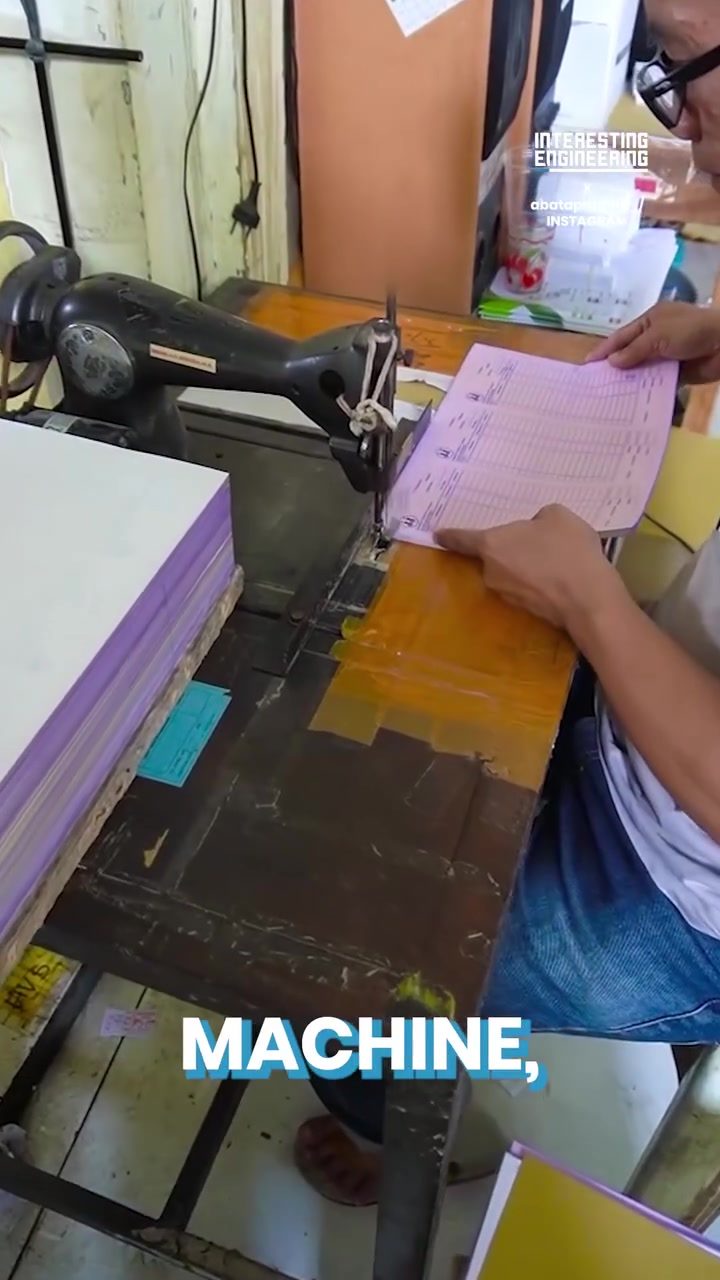
Manual Paper Printing with Precision and Care
Manual printing presses, particularly vintage models, offer a unique blend of craftsmanship and functionality that modern machinery often overlook. These presses are designed to handle delicate tasks with precision and care, making them ideal for various printing needs, from artisanal projects to small-scale commercial printing.
Why This Matters
In an era dominated by digital printing, there's a resurgence of interest in traditional printing methods. Manual printing presses are not just tools; they are pieces of history that offer a tactile, hands-on experience. Understanding how to use these presses can provide a deeper appreciation for the craft of printing and the value of meticulous work.
Main Discussion
The Art of Manual Printing
Manual printing presses, such as those demonstrated by @abataprinting_, are designed for a level of precision that is hard to achieve with automated machines. The process involves a series of careful steps, from setting up the press to feeding the paper and applying ink. Each step requires a keen eye and a steady hand, ensuring that the final product is free of smudges and misalignments.
One of the standout features of manual printing presses is their ability to handle delicate tasks with ease. For instance, tearing pages without damaging the surrounding papers is a common challenge in printing. Manual presses, with their precise mechanisms, can accomplish this feat without any hassle.
The Process
The process of manual printing starts with the setup. The press needs to be adjusted to the correct settings, ensuring that the ink is applied evenly and the paper is fed correctly. This step is crucial as any misalignment can lead to poor-quality prints.
Next, the paper is fed into the press. This step requires a gentle touch to ensure that the paper is not damaged. The machine’s design allows for easy tearing of pages without harming the surrounding papers. This precision is particularly valuable in tasks that require intricate detailing.
Finally, the ink is applied. Manual presses often use traditional ink types, which offer a rich and vibrant color. The ink is applied using a roller, which ensures that it is spread evenly across the printing surface. The press then applies pressure to transfer the ink onto the paper, creating a crisp and clear print.
Traditional vs. Modern Printing
Traditional printing methods, like those used with manual presses, offer a level of craftsmanship that is often missing in modern, automated printing. While modern presses are faster and can handle larger volumes, they often lack the precision and care that manual presses offer.
Traditional printing methods are also more environmentally friendly. Manual presses use less energy and produce less waste compared to their automated counterparts. This makes them a more sustainable option for small-scale printing projects.
The Role of Precision and Care
Precision and care are at the heart of manual printing. Every step of the process, from setting up the press to applying the ink, requires a meticulous approach. This level of attention to detail ensures that the final product is of the highest quality.
The precision of manual presses is particularly valuable in tasks that require intricate detailing. For example, tearing pages without damaging the surrounding papers is a common challenge in printing. Manual presses, with their precise mechanisms, can accomplish this feat without any hassle.
Practical Tips
Selecting the Right Printing Press
Choosing the right printing press is crucial for achieving the desired results. For small-scale projects, a vintage manual printing press, such as the one shown by @abataprinting_, is a great option. These presses offer precision and care, making them ideal for delicate tasks.
Maintaining the Press
Regular maintenance is essential for keeping the press in good working condition. This includes cleaning the press, lubricating the moving parts, and adjusting the settings as needed. Proper maintenance ensures that the press operates smoothly and produces high-quality prints.
Using the Press
Using a manual printing press requires a gentle touch. Feeding the paper and applying the ink should be done carefully to avoid damaging the paper or the press. Taking the time to set up the press correctly and following the proper steps will ensure that the final product is of the highest quality.
Important Takeaways
- Manual printing presses offer a level of precision and care that modern machinery often lacks. They are ideal for small-scale printing projects and intricate detailing.
- The process of manual printing involves careful steps, from setting up the press to feeding the paper and applying the ink. Each step requires a keen eye and a steady hand.
- Traditional printing methods are more environmentally friendly, making them a sustainable option for small-scale printing projects.
- Regular maintenance and careful use are essential for keeping the press in good working condition and achieving high-quality results.
Conclusion
Manual printing presses, with their unique blend of craftsmanship and functionality, offer a valuable alternative to modern automated machines. These presses, such as the one demonstrated by @abataprinting_, provide precision and care, making them ideal for delicate tasks and small-scale projects. Understanding how to use and maintain these presses can provide a deeper appreciation for the craft of printing and the value of meticulous work.
Watch the Reel
Questions readers ask
What are some common types of vintage manual printing presses?
Vintage manual printing presses come in several types, including letterpress, platen, and cylinder presses. Letterpress machines are known for their precision and are often used for artisanal printing tasks. Platen presses are versatile and suitable for a variety of printing needs. Cylinder presses are ideal for larger-scale projects that require consistent, high-quality prints.
How do vintage printing presses enhance the craftsmanship of printed materials?
Vintage printing presses add a tactile and unique quality to printed materials. The manual operation allows for precise adjustments, ensuring that each print is crafted with care. This attention to detail results in prints that have a distinctive, handmade appearance, which is highly valued by artists and collectors.
What are the benefits of using a manual printing press for small-scale commercial printing?
Manual printing presses are ideal for small-scale commercial printing due to their precision and versatility. They allow for customization and can handle delicate tasks with ease, offering a personal touch that digital printing often lacks. Additionally, they can produce limited editions that carry a sense of rarity and exclusivity, appealing to niche markets.
What kind of maintenance do vintage printing presses require?
Vintage printing presses require regular maintenance to keep them in good working order. This includes lubricating moving parts, aligning the press accurately, and cleaning the machinery to prevent ink buildup. Proper care ensures the longevity of the press and maintains the quality of the prints.
Why is there a resurgence in the use of manual printing presses today?
The resurgence of manual printing presses can be attributed to a growing appreciation for traditional craftsmanship and the tactile experience they offer. In a world dominated by digital technology, many people find satisfaction in the hands-on process of manual printing. This trend also reflects a desire for unique, personalised items that stand out from mass-produced goods.
What are some common challenges when using a vintage manual printing press?
Some common challenges include the learning curve involved in operating the machinery, which requires practice and skill. Additionally, vintage presses may require more frequent maintenance and adjustments compared to modern machines. However, these challenges are often seen as part of the learning experience and the joy of working with vintage printing tools.
How can I find and purchase a vintage manual printing press?
To find and purchase a vintage manual printing press, consider searching online marketplaces, specialty shops, or auctions. You can also join communities or forums dedicated to vintage printing where enthusiasts often sell or recommend good sources. Always inspect the press thoroughly and, if possible, seek advice from experienced users to ensure you are getting a reliable machine.
Recent articles
Fresh deep dives from the latest Reels we unpacked.




Comments
Be the first to comment.