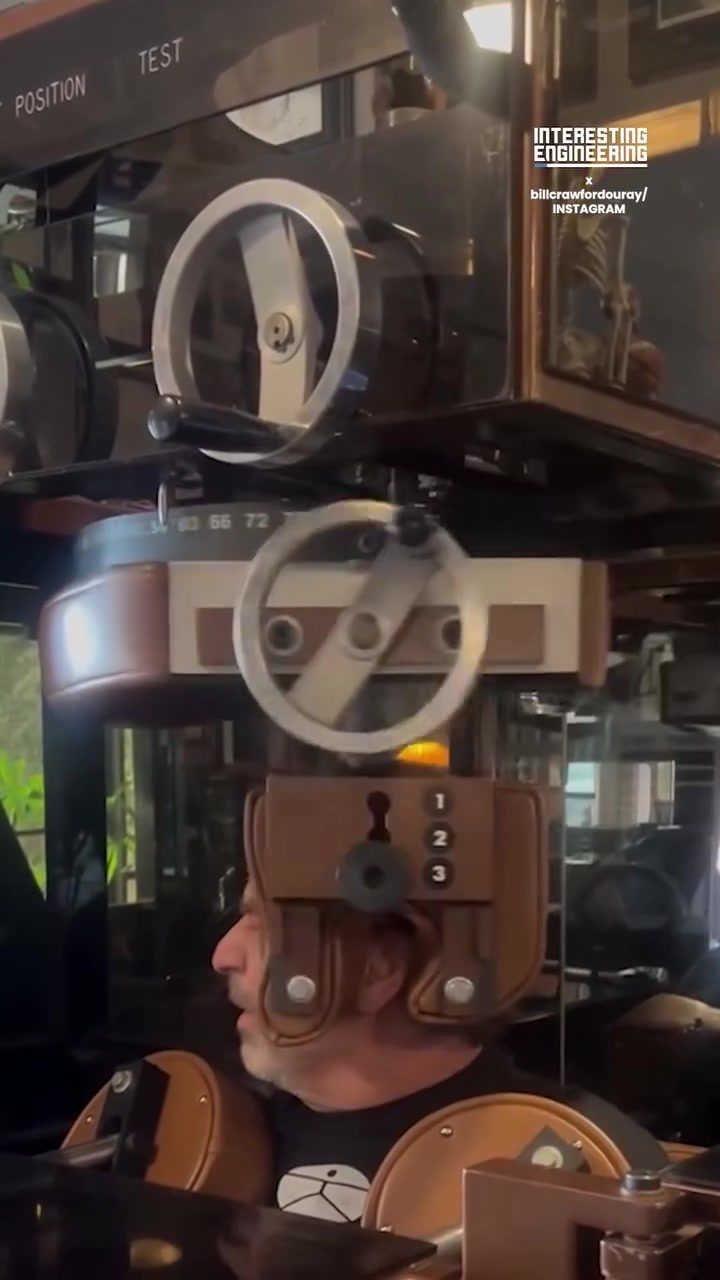
Vintage Physical Therapy Machines for Neck and Spinal Health
Physical therapy machines have evolved significantly over the years, but some vintage models still hold their ground in helping patients exercise their neck muscles and correct spinal issues. These machines, often characterized by their robust mechanical designs and complex dials, offer a unique approach to physical therapy.
Context / Why this Matters
The effectiveness of physical therapy in treating neck and spinal issues is well-documented. Machines that aid in this process can provide targeted exercises that are crucial for rehabilitation and maintaining overall spinal health. Vintage machines, in particular, often feature mechanical designs that offer a hands-on approach to therapy, which can be beneficial for patients who prefer a more tactile experience.
Main Discussion
The Role of Vintage Machines in Physical Therapy
Vintage physical therapy machines often feature a large circular dial with numbered markings, along with various levers and settings. These mechanical components allow for precise adjustments and control over the exercises, making them highly effective for targeted therapy. The complex design of these machines ensures that each movement is carefully guided, helping patients to maintain correct posture and alignment.
Design and Functionality
These machines are typically housed within a sturdy wooden structure, which not only adds to their aesthetic appeal but also ensures durability. The wooden casing provides a stable base, which is important for maintaining the machine's integrity during use. The vintage design often includes multiple settings and levers, allowing for a wide range of exercises that can be tailored to individual needs.
How They Help Neck and Spinal Issues
Vintage machines are particularly effective in targeting neck and spinal issues. The precision of the adjustments allows for gentle but effective stretching and strengthening exercises. This can help alleviate pain, improve range of motion, and correct any misalignments in the spine. The targeted nature of these exercises makes them ideal for both rehabilitation and preventive care.
The Operator's Role
The operation of these machines requires a skilled professional who can adjust the settings to suit the patient's specific needs. The machine's design allows for a high degree of customization, ensuring that each session is tailored to the individual. The operator's focus on the operation ensures that the exercises are performed correctly and safely, maximizing their therapeutic benefits.
Practical Tips
Choosing the Right Machine
When selecting a vintage physical therapy machine, it's important to consider the specific needs of the patient. Machines with a wide range of adjustable settings are ideal, as they can accommodate various levels of mobility and flexibility. Additionally, ensure that the machine is in good working condition, with all mechanical components functioning smoothly.
Setting Up for Use
Before using a vintage machine, make sure to clean and maintain it regularly. This includes oiling the mechanical parts and checking for any signs of wear and tear. The machine should be placed on a stable, flat surface to ensure safety and stability during use. Always follow the manufacturer's guidelines for setup and maintenance.
Guiding Exercises
When guiding a patient through exercises, start with a gentle warm-up to loosen the muscles. Gradually increase the intensity and range of motion as the patient becomes more comfortable. Pay close attention to the patient's posture and alignment, making adjustments as needed to ensure that the exercises are performed correctly.
Important Takeaways
- Vintage physical therapy machines offer a tactile, hands-on approach to exercises that can be very effective for patients with neck and spinal issues.
- These machines feature complex mechanical designs that allow for precise adjustments and control over the exercises.
- Customization is key to effective physical therapy. Professional operators should tailor each session to the individual's specific needs.
- Regular maintenance and proper setup are crucial for ensuring the safety and longevity of vintage machines.
- Physical therapy machines can provide targeted exercises that help alleviate pain, improve range of motion, and correct spinal misalignments.
Conclusion
Vintage physical therapy machines continue to play a vital role in neck and spinal health. Their complex mechanical designs and precise adjustments make them an effective tool for rehabilitation and preventive care. Ensuring proper maintenance and professional operation is essential to maximizing their benefits. Consider incorporating a vintage physical therapy machine into your routine if you're dealing with neck or spinal issues and looking for a hands-on approach to therapy.
Watch the Reel
Questions readers ask
What are some benefits of using vintage physical therapy machines for neck and spinal health?
Vintage therapy machines offer a hands-on approach, with robust and precise mechanical designs that provide targeted exercises for the neck and spine. These machines can help improve posture, alignment, and overall spinal health, making them beneficial for both rehabilitation and ongoing care. They also tend to be highly durable, ensuring long-term use.
How do vintage therapy machines help with spinal posture correction?
Vintage machines often feature mechanical designs that focus on maintaining correct posture and alignment. They provide specific exercises that can help strengthen the muscles supporting the spine, which in turn can improve posture. With consistent use, these machines can aid in correcting spinal issues that arise from poor posture.
What types of exercises can be performed on vintage neck exercise machines?
Vintage neck exercise machines are designed to target the muscles in the neck and upper back. They typically offer exercises that involve gentle resistance, stretching, and strengthening movements. These exercises can help alleviate symptoms of neck pain, improve range of motion, and enhance overall neck strength.
Are vintage therapy machines suitable for self-care at home?
Yes, many vintage therapy machines are designed for use at home. They are often robustly built and feature user-friendly mechanical dials and settings. However, it's always important to consult with a healthcare provider before starting any new therapy regimen to ensure the machines are suitable for your specific needs and any underlying conditions.
What makes vintage therapy machines different from modern ones?
Vintage therapy machines often feature mechanical designs that rely on manual adjustments and resistance, as opposed to the digital and electronic features common in modern devices. This hands-on approach can provide a more tactile and precise experience, allowing users to better control and feel the exercises. Additionally, vintage machines are often praised for their durability and longevity.
How can vintage machines aid in neck and spine rehabilitation?
Vintage therapy machines can be instrumental in neck and spine rehabilitation by providing targeted exercises that help rebuild strength, flexibility, and range of motion. These machines can assist in reducing pain, improving mobility, and enhancing the overall recovery process. They are often used in conjunction with other therapies to support comprehensive rehabilitation.
Related deep dives
Similar reads based on topic and creator.

Recent articles
Fresh deep dives from the latest Reels we unpacked.




Comments
Be the first to comment.