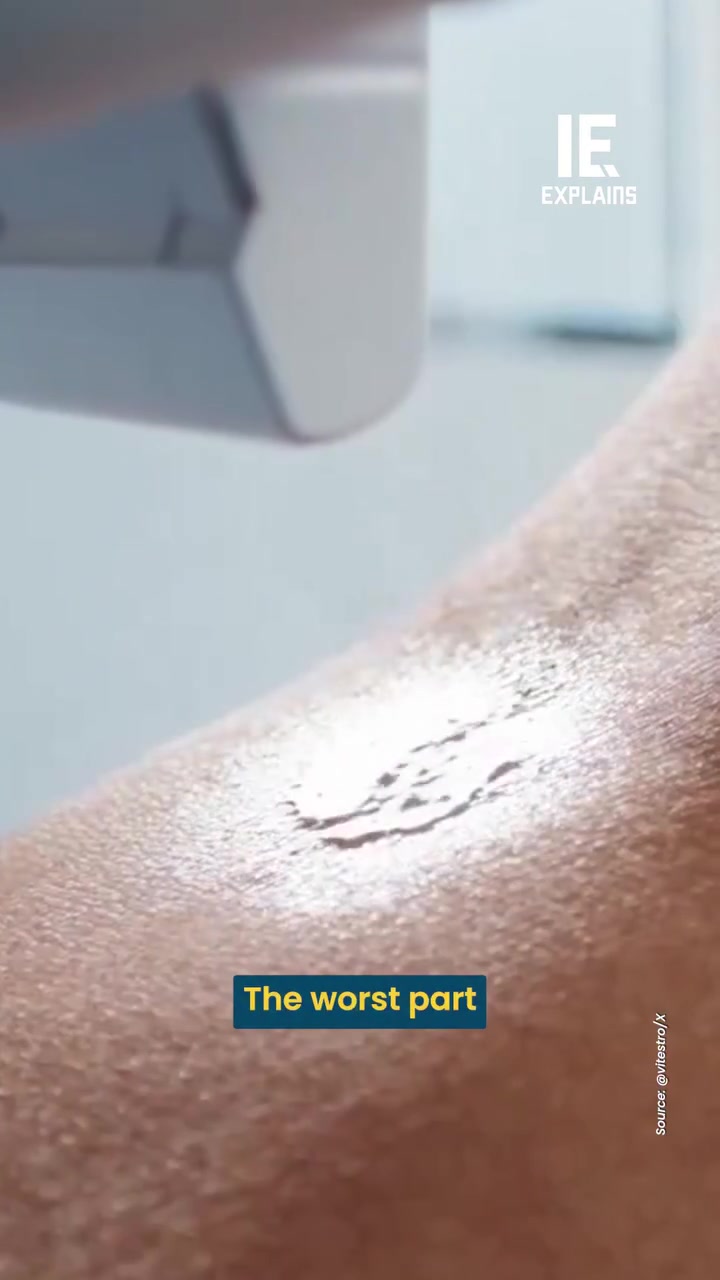
The FDA has authorized a groundbreaking device: the first fully autonomous robotic blood draw system in the United States. Developed by Vitestro, a Dutch company, this machine is designed to address one of the most dreaded parts of a blood test — the frustration of a phlebotomist who repeatedly fails to find a vein.
The Elegance of Veins
The vein finder is an example of cutting-edge medical technology. Upon opening the device, the user inserts a cartridge, and the machine handles everything else. The device searches for a vein through a streamlined process. The magic happens when the device shines near-infrared light on the arm. Veins appear as dark lines under the skin, but the light alone isn't enough to determine where to insert the needle. The device moves on to measure how deep and wide the vein is, ensuring it is a vein and not an artery via Doppler. An AI then reads these images to pinpoint the precise entry point and angle for the needle. Once everything is calculated, the arm inserts the butterfly needle with pinpoint accuracy. It's designed to avoid nerves and tissues, making the process both precise and safe. The device also includes features for safety. If the user jerks their arm during the process, the needle will detach itself, opening up the safety of the patient. This precaution shows that Vitestro didn't just aim for automation but also for safety and comfort. The procedure is as follows. The machine applies a tourniquet to the arm, preps the skin, inserts the needle, fills the tubes, and then removes the needle and applies a bandage. It can handle everything from blood collection to finalizing the procedure on its own.
The Rise of Robotic Phlebotomy
The approval of this device reflects a broader trend: the increasing use of robotics in healthcare. This trend is driven by a need to improve efficiency and reduce the load on medical staff. Although it currently requires supervision, the ability for one phlebotomist to oversee three of these machines at once marks a significant leap in efficiency. By allowing medical professionals to focus on other critical tasks, the device frees up valuable time and resources.
The Vein-Finding Technique
The vein-finding technique is a blend of infrared imaging, ultrasound, and Doppler technology. The device shines infrared light on the arm to make the veins visible. The veins appear as dark lines under the skin. The ultrasound probe measures how deep and wide the vein is, ensuring it is worth sticking. The Doppler technology then checks the direction of blood flow, differentiating between veins and arteries. An AI reads these images to identify the precise entry point and angle. The arm then inserts the needle with sub-millimeter precision. Butterfly needles help the user stay still in the arm even if the patient moves around slightly. This technique, though complex, ensures maximum accuracy and safety during the blood draw process.
The Role of AI in Vein Detection
AI is pivotal in the operation of this device. The AI software reads the images provided by the infrared light, ultrasound, and Doppler technology. It then uses this data to pinpoint the entry site and angle of the needle. This use of AI means the machine can adapt to different individuals' veins and their ever-changing complexities, which makes it both efficient and precise. The AI ensures the device is as effective for those who say they are easily drawable as those who aren’t. In a pivotal clinical trial with 1,633 patients, the first stick success rate was an impressive 94.5%. This means the device found a vein on the first try regardless of the patient's difficulty level.
Clinical Evaluation
The FDA approved the Vitestro device following a key clinical trial involving 1,633 patients. Conducted at three Dutch clinics, the study published results in the July 2023 issue of Clinical Chemistry. The overall success rate of the first stick was 94.5%, which is commendable considering that this success rate held for participants who were deemed hard to draw from. The device did not show any serious side effects, and 90% of participants reported feeling the same or less pain compared to a human phlebotomist. Only 0.6% of draws had minor side effects. The findings suggest that the device is reliable, safe, and relatively less painful according to patient feedback. This makes it an attractive solution for clinics aiming to improve their phlebotomy processes.
Practical Applications
Would you like to try this out in a clinic? If you’re interested in what the experience is like, here are some details:
- Patient Eligibility: The device currently is approved only for adults and outpatient settings. This means if you’re a child or need an in-patient procedure, this device might not be applicable to you.
- Supervision Requirements: Although the device is fully autonomous, a phlebotomist still needs to start the process and watch over. The phlebotomist can supervise three machines at once, making it efficient.
- Pain Levels: Unlike traditional methods, nine in ten users find the device to be just as comfortable or even more comfortable.
- Safety Features: The device ensures a safe experience for all users. If the user makes any sudden movements, the needle and the entire machine will pause. The device represents a shift towards more efficient and autonomous medical procedures. It also means that phlebotomy professionals will have more mental space for other tasks.
The Future of Blood Draws is Clear
Clinical trials have shown that this automated blood collection device is as effective as, if not more effective than, manual methods. With its precise vein-finding capabilities and high success rate, it offers a reliable solution for outpatient clinics. Moreover, the device’s ability to adapt to individual veins and patient feedback suggests that it can improve patient experiences and reduce the workload on healthcare professionals. As medical technology continues to advance, devices like this will likely become more common, making blood draws faster, safer, and less painful for everyone.
Watch the Reel
Questions readers ask
What makes the Viestro device different from traditional blood draw methods?
The Viestro device stands out due to its autonomous nature and advanced vein-finding technology. Unlike traditional methods where a phlebotomist manually locates veins, this device uses infrared light, ultrasound, and Doppler technology to precisely identify and target veins. It also includes safety features like a detachable needle if the patient moves, ensuring a safer and more accurate blood draw process.
How does the Vein Finder technology work in the Viestro device?
The Vein Finder technology in the Viestro device works by shining near-infrared light on the arm to make veins visible. It then uses an ultrasound probe to measure the depth and width of the vein, and Doppler technology to check the direction of blood flow. An AI analyzes these images to determine the exact entry point and angle for the needle, ensuring precision and safety.
Can the Viestro device be used without supervision?
Currently, the Viestro device requires supervision. It is designed to be overseen by a single phlebotomist who can monitor up to three machines at once, significantly increasing efficiency. However, it is not yet fully autonomous in the sense of operating without any human oversight.
Is the Viestro device available for use in all medical settings?
The Viestro device is FDA-cleared for use in the United States, but its availability may vary depending on the specific medical setting. It is designed to streamline healthcare processes and reduce the workload on medical staff, making it a valuable addition to hospitals and clinics. However, widespread adoption will depend on individual institutions' decisions and resources.
How does the Vein Finder technology in the Viestro device compare to manual vein-finding methods?
The Vein Finder technology in the Viestro device offers several advantages over manual methods. It provides a more precise and accurate way to locate veins, reducing the chances of failed attempts and increasing patient comfort. The use of infrared light, ultrasound, and Doppler technology ensures that the device can differentiate between veins and arteries, making the process safer and more reliable.
Can the Viestro device handle different types of veins, such as those that are deep or hard to find?
Yes, the Vein Finder technology in the Viestro device is designed to handle a variety of vein types. It uses ultrasound to measure the depth and width of veins, ensuring that it can accurately target even those that are deep or hard to find. This makes it a versatile tool for phlebotomy, suitable for a wide range of patients.
What happens if the patient moves during the blood draw process with the Viestro device?
If the patient moves during the blood draw process, the Viestro device includes a safety feature where the needle will detach itself. This precaution is designed to ensure the safety and comfort of the patient, preventing any potential injuries or complications that could arise from sudden movements.
Recent articles
Fresh deep dives from the latest Reels we unpacked.




Comments
Be the first to comment.