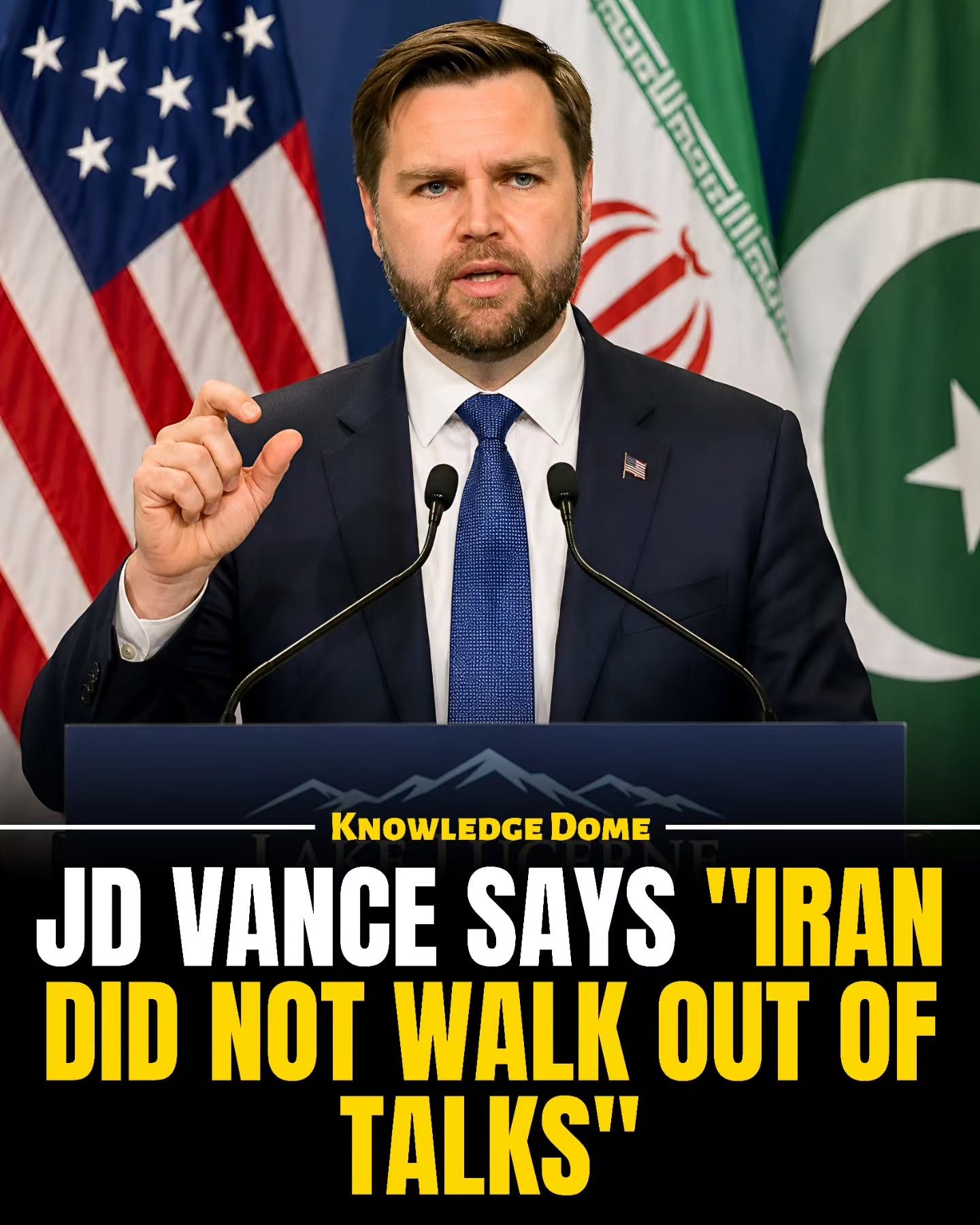
The Nuances of Diplomatic Progress: Vice President Vance on the Iran Talks
High-level diplomatic discussions between the United States and Iran have long been the focus of intense scrutiny and speculation. Recently, Vice President JD Vance provided a detailed account of the ongoing talks, clarifying several key points that had been misrepresented in various media outlets. The discussions, which took place at the prestigious Bürgenstock Resort in Switzerland, have been the subject of much debate, particularly regarding the perceived walkout of the Iranian delegation.
Context / Why this matters
The United States and Iran engage in delicate diplomatic negotiations to address critical issues, including Iran's nuclear program. The outcomes of these talks can significantly impact global security and the geopolitical landscape. Understanding the nuances of these discussions is crucial for appreciating the complexities involved in international relations and the strategic moves undertaken by both nations.
The Reality of the Talks
Vice President Vance emphasized that the Iranian delegation did not, in fact, walk out of the high-level talks. This clarification is important as it directly counters misinformation that had circulated on social media, claiming otherwise. The meetings continued late into the night, with both sides engaged in discussion well past 1:00 a.m. This persistence highlights the commitment from both parties to continue negotiations despite the challenges.
Key to understanding the dynamics of these discussions is the role of the technical teams. Vance noted that these teams stayed at work and continued their discussions rather than departing. This indicates a level of professionalism and determination to move forward, even in the face of tense moments. The United States' resolve to not remain silent in response to challenging rhetoric underscores their stance on not backing down from diplomatic pressure.
The Role of Threats and Pressure
Vance described Iran's use of strong words and threats as mere rhetoric rather than a genuine indication of their intentions. This perspective suggests that while the language used may be confrontational, the actual substance of the talks remains constructive. By framing the situation in this way, Vance emphasizes the importance of differentiating between diplomatic posturing and substantive negotiations.
Progress Amidst Tensions: Inspectors Return to Iran
One of the most significant outcomes of these talks was Iran's agreement to allow the International Atomic Energy Agency (IAEA) inspectors to return to the country. This move is a critical step towards enhancing transparency and ensuring that Iran complies with international nuclear regulations. The IAEA's role is vital in monitoring Iran's nuclear activities and providing a framework for verification. This agreement is a tangible example of the progress that can be made even in the midst of tense and challenging diplomatic negotiations.
Practical Tips
For those following international diplomacy, it's essential to stay informed about the nuances of such negotiations. Here are some practical tips to better understand and engage with these discussions:
Stay Updated with Official Sources
Rely on official statements and updates from reliable sources. Social media can be a source of misinformation, so cross-referencing with official statements is crucial.
Understand the Context
Diplomatic negotiations are often fraught with tension and complex dynamics. Understanding the historical context and the key players involved can provide valuable insights.
Recognize the Importance of Technical Teams
The role of technical teams in diplomatic negotiations is often overlooked but is critical. These teams work on the ground to implement agreements and ensure that talks remain on track.
Important Takeaways
The Value of Persistent Negotiations
The fact that the talks continued late into the night, despite initial reports of a walkout, underscores the importance of persistence in diplomatic efforts. Both sides' willingness to stay at the negotiating table reflects a commitment to finding a resolution.
Differentiating Between Rhetoric and Action
Distinguishing between strong rhetoric and actual actions is key. While threats and intense language can create a dramatic narrative, the real progress often lies in the practical steps taken by both parties.
The Role of Transparency
International relations thrive on transparency. Iran's agreement to allow IAEA inspectors back into the country is a significant step towards building trust and ensuring compliance with international agreements.
Conclusion
The diplomatic talks between the United States and Iran at the Bürgenstock Resort in Switzerland highlight the intricate nature of international relations. Vice President JD Vance's clarification on the continuation of the talks, the role of technical teams, and the progress made despite tense moments provide a nuanced view of the situation. Understanding these dynamics is crucial for appreciating the complexities of global diplomacy and the strategic moves undertaken by both nations.
Watch the Reel
Questions readers ask
What prompted Vice President Vance to clarify the details of the Iran talks?
Vice President JD Vance felt it necessary to clarify the details of the Iran talks to correct misinformation circulated by media outlets, particularly regarding the perceived walkout of the Iranian delegation. This clarification aims to provide a more accurate understanding of the diplomatic process and its progress.
Why is the location of the talks, the Bürgenstock Resort, significant?
The Bürgenstock Resort in Switzerland was chosen for its neutrality and prestige, providing a suitable environment for high-level diplomatic negotiations. The location underscores the importance and sensitivity of the US-Iran talks, as well as the commitment of both nations to engage in dialogue.
What does the continuation of talks into the late night indicate about the negotiations?
The fact that negotiations continued into the late night demonstrates the dedication and persistence of both the US and Iranian delegations. It signifies that despite challenges, both sides are invested in making progress and finding common ground on critical issues, such as Iran's nuclear program.
Why are these talks so heavily scrutinized and what are the implications for global security?
These talks are closely watched due to the significant geopolitical implications of US-Iran relations. The outcomes can impact global security, influence regional stability in the Middle East, and affect international policies on nuclear non-proliferation. Therefore, any progress or setbacks in these negotiations are of great interest to the global community.
What are the key issues being addressed in the US-Iran diplomatic negotiations?
The primary focus of the US-Iran diplomatic negotiations is Iran's nuclear program. Other key issues include regional security concerns, economic sanctions, and the broader geopolitical dynamics in the Middle East. The talks aim to find a mutually acceptable agreement that addresses these complex issues and promotes stability in the region.
How do these talks reflect the broader US-Iran geopolitics?
The ongoing talks between the US and Iran are a microcosm of the broader geopolitical dynamics between the two nations. They reflect long-standing tensions, mutual mistrust, and the need for diplomatic engagement to manage these challenges. The progress and outcomes of these talks can significantly influence the geopolitical landscape, affecting other countries and global security.
What is the significance of Vice President Vance's clarification on the Iranian delegation's actions?
Vice President Vance's clarification that the Iranian delegation did not walk out is significant as it directly counters misinformation, which could have derailed negotiations. This clarification helps maintain the integrity of the diplomatic process and ensures that all parties involved can continue to engage in meaningful dialogue based on accurate information.
Recent articles
Fresh deep dives from the latest Reels we unpacked.




Comments
Be the first to comment.