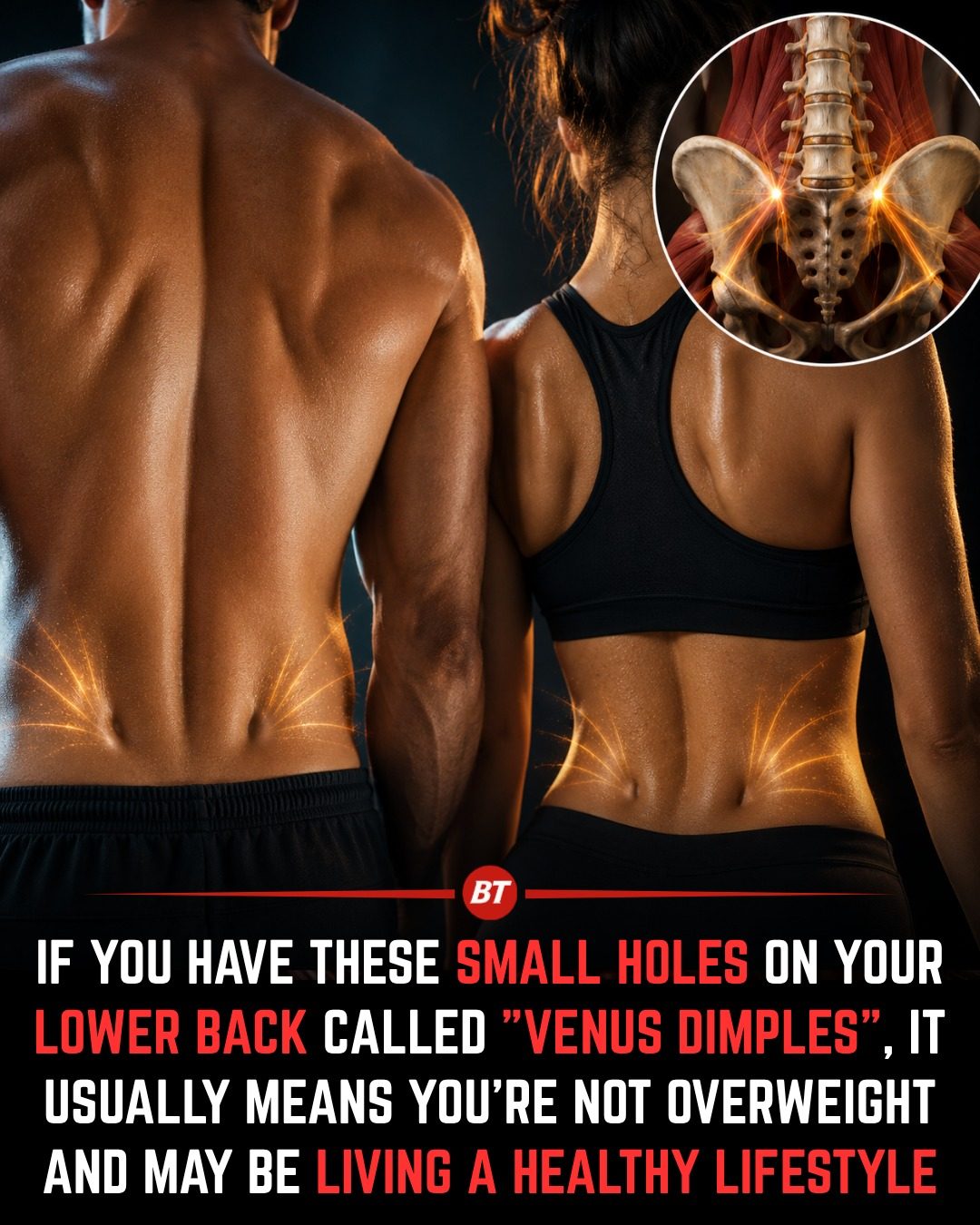
Venus Dimples
Venus dimples, the small indentations on the lower back, are a natural anatomical feature that many people possess. These dimples, located where the pelvis connects to the spine, occur due to the way certain ligaments attach beneath the skin. They are largely determined by genetics and body structure rather than exercise or lifestyle.
Why This Matters
Venus dimples are more noticeable in individuals with less body fat in the lower back region. This visibility often leads to associations with fitness and overall health. However, it is crucial to understand that having Venus dimples does not automatically indicate a healthier lifestyle, nor does their absence suggest poor health. They are a natural trait that many people, regardless of fitness level, may have.
Main Discussion
What Are Venus Dimples?
Venus dimples are small indentations found near the lower back, specifically where the pelvis meets the spine. They are formed by the way specific ligaments attach to the skin in this area. These dimples are a natural anatomical feature and are not caused by exercise or lifestyle choices. Many people are born with them, and their presence is largely influenced by genetics and body structure.
The Misconception of Health
Many people mistakenly believe that Venus dimples indicate a healthy lifestyle or fitness level. While it is true that these dimples are more visible in lean individuals due to less body fat covering the area, their presence does not necessarily mean the person is healthier. Conversely, the absence of Venus dimples does not imply poor health or an unhealthy lifestyle.
Historical and Cultural Significance
Venus dimples are named after the Roman goddess Venus and are sometimes referred to as the "dimples of Venus." In men, these indentations are occasionally called the "dimples of Apollo." This naming convention highlights the historical and cultural significance of these natural features, linking them to ideas of beauty and perfection.
Genetic and Structural Factors
The formation of Venus dimples is primarily influenced by genetics and body structure. Certain ligaments attach beneath the skin in this area, creating the indentations. This genetic predisposition means that some people are born with Venus dimples, while others are not. It is important to recognize that these dimples are a natural trait and not something that can be acquired or lost through exercise or diet.
Practical Tips
Understanding Your Body
It is essential to understand that Venus dimples are a natural part of the human body and do not indicate overall health or fitness. If you have Venus dimples, it does not mean you are healthier or more fit than someone who does not. Likewise, the absence of these dimples does not suggest poor health.
Embracing Natural Features
Venus dimples are just one of the many unique traits that people naturally possess. It is important to embrace these features as part of individuality and recognize that the human body comes in countless variations. Embracing natural features like Venus dimples can help foster a positive body image and appreciation for the diversity of the human form.
Healthy Lifestyle vs. Physical Traits
While Venus dimples are often associated with a lean physique, it is crucial to differentiate between natural physical traits and the results of a healthy lifestyle. Maintaining a balanced diet, regular exercise, and overall well-being is essential for health, regardless of whether you have Venus dimples or not.
Important Takeaways
Venus dimples are a natural anatomical feature that many people possess. They are determined by genetics and body structure and are not indicative of overall health or fitness. It is essential to understand and embrace these natural features as part of the diverse human form, rather than associating them with specific lifestyle choices or health status.
Conclusion
Venus dimples are a fascinating and natural part of the human anatomy. Understanding their origins and significance can help dispel misconceptions and foster a greater appreciation for the diverse traits that make each person unique. By embracing these natural features and focusing on overall health and well-being, we can cultivate a more positive and inclusive perspective on the human body.
Watch the Reel
Questions readers ask
What causes the appearance of Venus dimples on the lower back?
Venus dimples are caused by the attachment of certain ligaments beneath the skin where the pelvis connects to the spine. This anatomical feature is determined by genetics and body structure, not by lifestyle or exercise habits. This is why they are more noticeable in lean individuals, but can appear in people of any fitness level.
Are Venus dimples a sign of a healthy lifestyle?
No, Venus dimples are not a sign of a healthy lifestyle. They are a natural anatomical feature determined by genetics and body structure. While they may be more visible in lean individuals, their presence or absence does not indicate overall health or fitness.
Can individuals choose to acquire or remove Venus dimples?
Venus dimples are determined by genetics and body structure, so it is not possible to acquire or remove them through exercise, lifestyle changes, or other means. They are a natural trait that many people possess, regardless of fitness level.
What is the difference between Venus dimples and love handles?
Venus dimples are small indentations on the lower back caused by ligaments and are determined by genetics. Love handles, on the other hand, are deposits of fat that sit around the waist and hips and are influenced by body fat percentage and lifestyle.
Can Venus dimples be found in different places on the body?
No, Venus dimples are specific to the lower back, where the pelvis connects to the spine. They are not found in other places on the body. Other types of dimples, such as those on the cheeks, are caused by different mechanisms and are not related to Venus dimples.
Related deep dives
Similar reads based on topic and creator.




Recent articles
Fresh deep dives from the latest Reels we unpacked.




Comments
Be the first to comment.