Flooding and Snakes
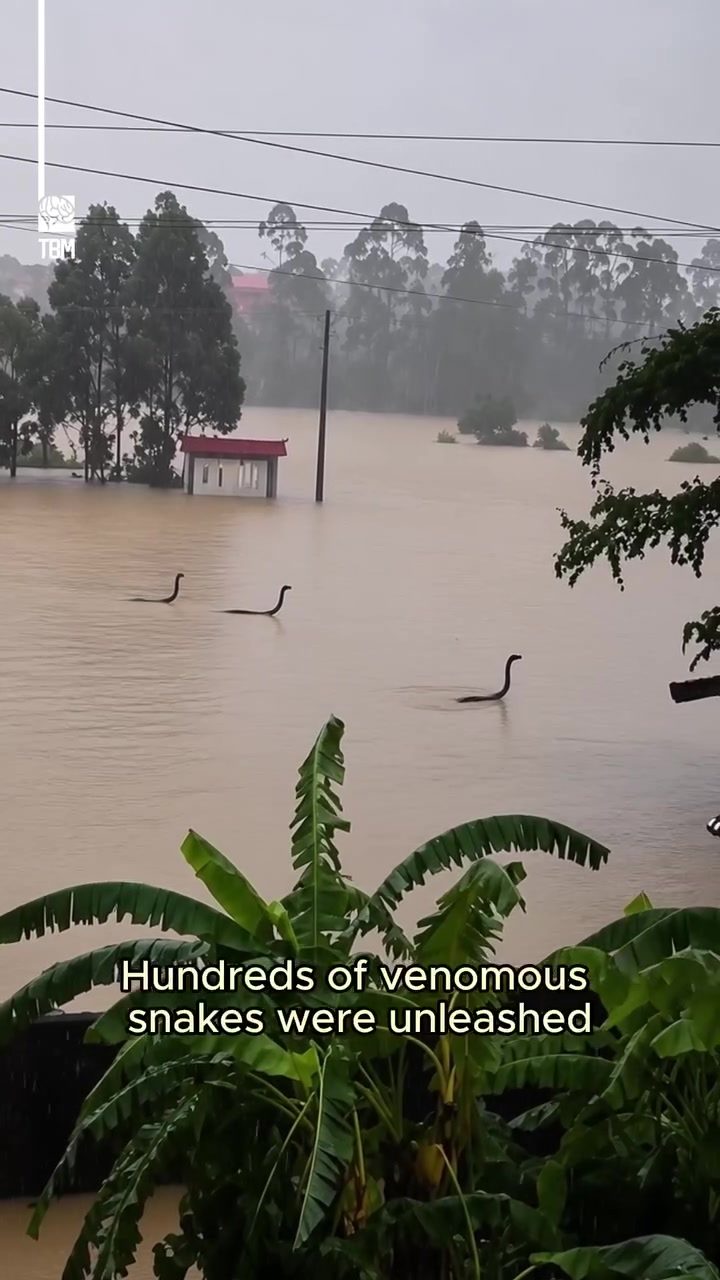
The aftermath of a massive flood in southern China has revealed a hidden danger beneath the murky water: thousands of venomous snakes released into the streets.
Context / Why This Matters
This incident, triggered by Typhoon Maysac, has highlighted the potential hazards that can arise when natural disasters disrupt animal housing facilities. The floodwaters submerged homes, roads, zoos, and reptile farms in Hangzhou, unleashing cobras and other venomous snakes into the city. This event underscores the importance of preparedness and emergency response in areas prone to flooding and other natural disasters. Understanding the risks and taking precautions can mitigate the dangers posed by displaced wildlife.
Main Discussion
The Flood and Snake Release
Typhoon Maysac brought severe flooding to southern China, particularly in the city of Hangzhou. The intense flooding submerged not only residential areas and roads but also zoos and reptile farms. This catastrophic event led to the release of hundreds of venomous snakes, including cobras, into the city's flooded streets.
The Dangers of Venomous Snakes
Residents witnessed the unsettling sight of serpents gliding through the murky waters with their heads raised above the surface. This posture, often described as a "living periscope," allowed the snakes to search for higher ground. The presence of these venomous snakes posed a significant threat to the local population, as the murky floodwaters made it difficult to spot the hidden danger.
One tragic incident involved a woman who reportedly died after a suspected cobra bite. Others were injured as blocked roads delayed emergency treatment, exacerbating the crisis. The floodwaters, especially at night, increased the risk of snake encounters, making it crucial for residents to exercise extreme caution.
Emergency Response
Authorities responded swiftly to the situation by deploying snake-catching teams to capture the escaped reptiles. Hospitals increased their supplies of antivenom to prepare for potential bites. However, officials warned that the threat would continue until the floodwaters fully receded. The lingering danger meant that residents had to remain vigilant even after the initial chaos had subsided.
Additional Wildlife Disruptions
The disaster did not affect snakes alone. Zebras, donkeys, miniature horses, ostriches, and thousands of pigs were also released from their enclosures. While these animals did not pose the same immediate danger as venomous snakes, their presence in urban areas added complexity to the emergency response efforts.
The capture of thousands of snakes within days was a significant achievement, but the lingering threat remained a concern. Officials emphasized the need for continued caution and vigilance, as the full extent of the danger would only be mitigated once the floodwaters had receded completely.
Practical Tips
Staying Safe in Flooded Areas
If you find yourself in a flooded area with potential wildlife hazards, consider the following tips:
- Avoid Wading in Floodwaters: Standing water can conceal hidden dangers, including snakes. Stay on higher ground and avoid wading through flooded areas whenever possible.
- Wear Protective Clothing: If you must enter flooded areas, wear protective clothing such as rubber boots and long pants to minimize the risk of snake bites.
- Use a Flashlight: Snakes are more active at night, so if you need to move around in the dark, use a flashlight to illuminate your path and spot potential hazards.
- Stay Informed: Pay attention to official warnings and advisories. Authorities will provide up-to-date information on the safety of your area and steps to take if you encounter wildlife.
Emergency Preparedness
In areas prone to natural disasters, it's essential to have an emergency preparedness plan in place. This includes:
- Emergency Supplies: Keep a well-stocked emergency kit with essentials such as a first-aid kit, flashlights, batteries, non-perishable food, and water.
- Know Your Evacuation Routes: Familiarize yourself with evacuation routes and safe shelters in your area. This knowledge can be crucial during a crisis.
- Stay Informed: Sign up for alerts from local authorities and weather services to stay informed about impending disasters and emergency advisories.
Dealing with Wildlife Encounters
If you encounter wildlife, especially venomous snakes, during a natural disaster, follow these guidelines:
- Do Not Attempt to Handle or Capture the Animal: Leave wildlife handling to trained professionals. Attempting to capture or handle a snake can increase the risk of bites and injuries.
- Seek Immediate Medical Attention: If bitten, seek immediate medical attention. Antivenom and other treatments are available, but prompt action is crucial for effective treatment.
- Follow Official Guidelines: Pay attention to guidelines and warnings from local authorities. They will provide specific instructions tailored to the situation.
Important Takeaways
The flooding in southern China serves as a stark reminder of the hidden dangers that can arise during natural disasters. The release of venomous snakes into urban areas underscores the importance of emergency preparedness and response. Key takeaways include:
- Natural disasters can release wildlife, posing significant risks to urban populations.
- Staying informed and following official guidelines is crucial for safety.
- Emergency preparedness, including having supplies and knowing evacuation routes, can mitigate risks.
- The lingering dangers of wildlife encounters persist until floodwaters recede, necessitating continued vigilance.
Conclusion
This event highlights the importance of being prepared for natural disasters and the potential hazards they can bring. Understanding the risks and taking appropriate precautions can significantly enhance safety and reduce the impact of such events. Staying informed, having an emergency plan, and following official guidelines are essential steps in navigating through these challenging situations.
Watch the Reel
Questions readers ask
What types of venomous snakes were released due to the flooding in China?
The flooding in China's southern region, triggered by Typhoon Maysak, released thousands of venomous snakes onto the streets, including cobras. Other species may have also been displaced, but cobras are specifically mentioned as posing significant risks to residents.
How did the typhoon lead to snakes invading the streets in China?
Typhoon Maysak caused widespread flooding in southern China, which submerged various facilities, including reptile farms and zoos. The floodwaters forced snakes out of their habitats, leading to a snake invasion in the streets of cities like Hangzhou.
What risks do these floods pose to humans?
The primary risks to humans from these floods are the venomous snakes that have been released from their habitats. These snakes pose a significant threat to residents, and encounters with them can lead to serious injuries or even fatalities, depending on the species and the severity of the bite.
What can residents do to prepare for such natural disasters?
Residents in areas prone to flooding and natural disasters should have an emergency plan in place. This includes staying informed about weather conditions, knowing safe evacuation routes, and being prepared to act quickly if disaster strikes. It's also important to be aware of the potential wildlife dangers that may arise in the aftermath of a flood.
What steps can authorities take to mitigate the dangers posed by displaced wildlife during floods?
Authorities should focus on improving infrastructure to prevent or reduce flooding, and ensure that wildlife facilities are secured and reinforced to withstand natural disasters. A rapid and effective response plan is also crucial in order to manage and control the displaced wildlife population. Ensuring that residents are informed and trained to deal with potential dangers is key.
Were there any measures in place to prevent the snakes from entering the streets?
The flooding was a result of a massive and unexpected event, and unfortunately, it is likely that there were limited measures in place to prevent the snakes from entering the streets. The typhoon and subsequent flooding overwhelmed the region, leading to a chaotic and dangerous situation as floodwaters submerged homes, roads, and animal facilities.
Which regions in China are most at risk for such snake invasions?
The southern region of China is particularly vulnerable to such snake invasions, as evidenced by the recent flooding in Hangzhou. This region is prone to typhoons and heavy rainfall, which can lead to flooding and the displacement of wildlife, including venomous snakes.
Recent articles
Fresh deep dives from the latest Reels we unpacked.




Comments
Be the first to comment.