Veganism Statistics
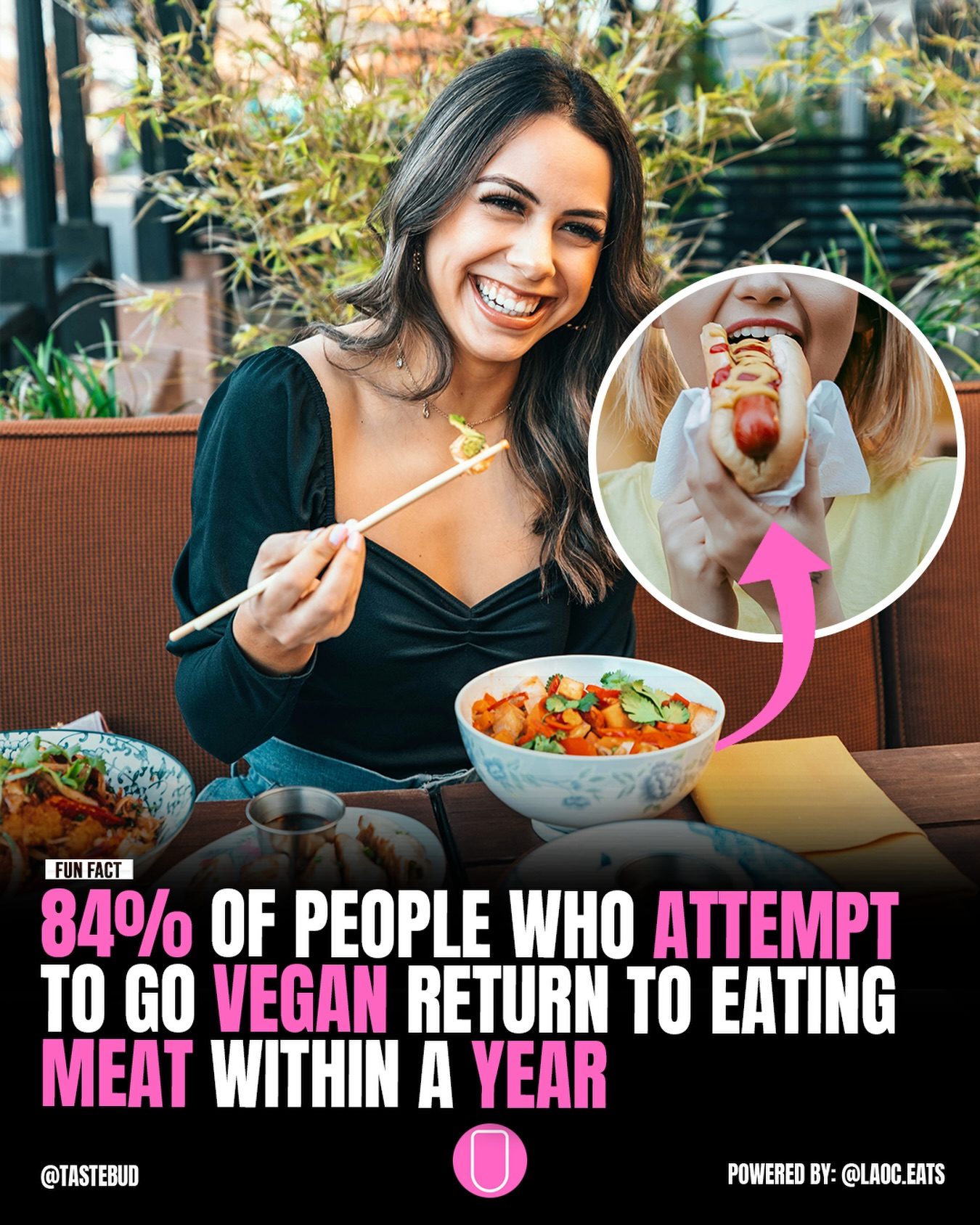
Veganism has gained significant traction in recent years, driven by concerns about health, ethics, and the environment. However, maintaining a vegan diet can be challenging, and many people who attempt it return to eating meat within their first year. Studies often report that as much as 84% of people who try veganism revert to consuming meat within a single year.
Why This Matters
Understanding the challenges and reasons behind this trend is crucial. It sheds light on the barriers people face when adopting a vegan lifestyle. This information can help individuals better prepare for the transition and increase the likelihood of success.
Main Discussion
Challenges of Maintaining a Vegan Diet
Adopting a vegan diet involves more than just eliminating animal products from one’s meals. It requires a comprehensive overhaul of eating habits, grocery shopping routines, and even social interactions. Many people underestimate the effort required to maintain this lifestyle, leading to difficulties that can be overwhelming.
Nutritional Planning
One of the primary concerns for those attempting veganism is nutritional adequacy. A vegan diet, if not properly planned, can lead to deficiencies in essential nutrients like vitamin B12, iron, calcium, and omega-3 fatty acids. Ensuring a balanced diet that meets all nutritional needs requires careful planning and knowledge of vegan food sources. This can be a steep learning curve for many, especially those who are new to plant-based eating.
Social Challenges
Social situations can also pose significant obstacles. Dining out, attending social events, and even family gatherings can become stressful when trying to stick to a vegan diet. The lack of vegan options in restaurants, the pressure to conform to traditional meals, and the social stigma sometimes associated with veganism can make it difficult for individuals to stay committed to their dietary choices.
Difficulty Maintaining the Diet
The sheer effort involved in sustaining a vegan lifestyle can be exhausting. Making the transition involves not only changing what you eat but also how you shop, cook, and socialize. For many, this level of dedication can feel overwhelming, leading them to revert to their previous eating habits.
Practical Tips
Planning Ahead
One of the best strategies for maintaining a vegan diet is planning. This includes prepping meals in advance, stocking up on vegan-friendly ingredients, and researching restaurants with vegan options. By being proactive, individuals can minimize the stress and uncertainty that often lead to dietary lapses.
Educating Yourself
Understanding the nutritional aspects of a vegan diet is crucial. Learning about plant-based sources of essential nutrients and how to incorporate them into your meals can make the transition smoother. There are numerous resources available, including books, online courses, and blogs, that can provide valuable insights into vegan nutrition.
Finding Support
Joining a community of like-minded individuals can provide the support and encouragement needed to stay committed to a vegan lifestyle. Online forums, local vegan groups, and even social media platforms can be excellent sources of advice, motivation, and camaraderie.
Gradual Transition
For some, going cold turkey might not be the best approach. Gradually reducing meat and dairy intake over time can make the transition to veganism less daunting. This phased approach allows individuals to acclimate more comfortably, making it easier to stick to their new dietary choices.
Exploring Alternatives
There are many plant-based alternatives available that can mimic the taste and texture of animal products. Exploring these options can make the transition to veganism more enjoyable and satisfying. From vegan cheeses and burgers to plant-based milks and yogurts, there are plenty of delicious alternatives to choose from.
Important Takeaways
While the statistics might seem discouraging, it's important to remember that transitioning to a vegan diet, or even reducing meat intake, can still have significant health and environmental benefits. Even partial adherence to a vegan lifestyle can lead to improved health outcomes and a reduced environmental footprint. It’s not an all-or-nothing proposition.
Conclusion
Adopting a vegan diet is a significant lifestyle change that comes with its unique set of challenges. However, with careful planning, education, and support, it's possible to navigate these obstacles and maintain a vegan lifestyle successfully. Whether you're considering veganism for health, ethical, or environmental reasons, being prepared and informed can make all the difference. The key is to take it one step at a time and celebrate the progress, no matter how small.
Watch the Reel
Questions readers ask
What are some of the primary challenges faced by individuals on a vegan diet?
Individuals on a vegan diet often face several obstacles. These include finding suitable food options while dining out or attending social events, ensuring they meet all nutritional needs through plant-based sources, and dealing with cravings or temptations from non-vegan foods.
Why do many people return to eating meat within the first year of trying veganism?
The primary reasons many people revert to eating meat within their first year of veganism include nutritional concerns, such as feeling unfulfilled or lacking energy. Additionally, social pressures and the inconvenience of maintaining a vegan diet in social settings can lead many to abandon their vegan lifestyle.
How do social pressures impact the vegan to meat transition?
Social pressures significantly impact the transition from vegan to meat. This is because many social events revolve around food, and non-vegan options dominate. This can make social interactions challenging and lead to feelings of isolation or being singled out, prompting some to return to consuming meat.
What are the common vegan nutritional concerns that lead to a return to meat?
Common nutritional concerns that lead vegans to return to meat include deficiencies in specific nutrients like vitamin B12, iron, and calcium, and protein insufficiency. These concerns can lead to fatigue, weakness, and other health issues, making it difficult for some to sustain a vegan diet.
What percentage of people who try veganism revert to consuming meat in the first year?
According to various studies, approximately 84% of people who attempt a vegan diet return to consuming meat within a year. This high rate of transition underscores the significant challenges of maintaining a vegan lifestyle, especially for those new to the diet.
Why is it important to understand the reasons behind the large percentage of vegan to meat transitions?
Understanding the reasons behind the large percentage of vegan to meat transitions is crucial for developing strategies to support those attempting a vegan diet. This knowledge can help to provide the necessary resources, guidance, and coping mechanisms to overcome these challenges and increase the likelihood of maintaining a vegan lifestyle.
How can individuals better prepare for the challenges of a vegan diet before they transition?
Before transitioning to a vegan diet, individuals can better prepare by researching plant-based alternatives for essential nutrients, planning meals, and learning to navigate social situations. It is also helpful to connect with experienced vegans or vegan communities for tips, support, and encouragement.
Related deep dives
Similar reads based on topic and creator.




Recent articles
Fresh deep dives from the latest Reels we unpacked.




Comments
Be the first to comment.