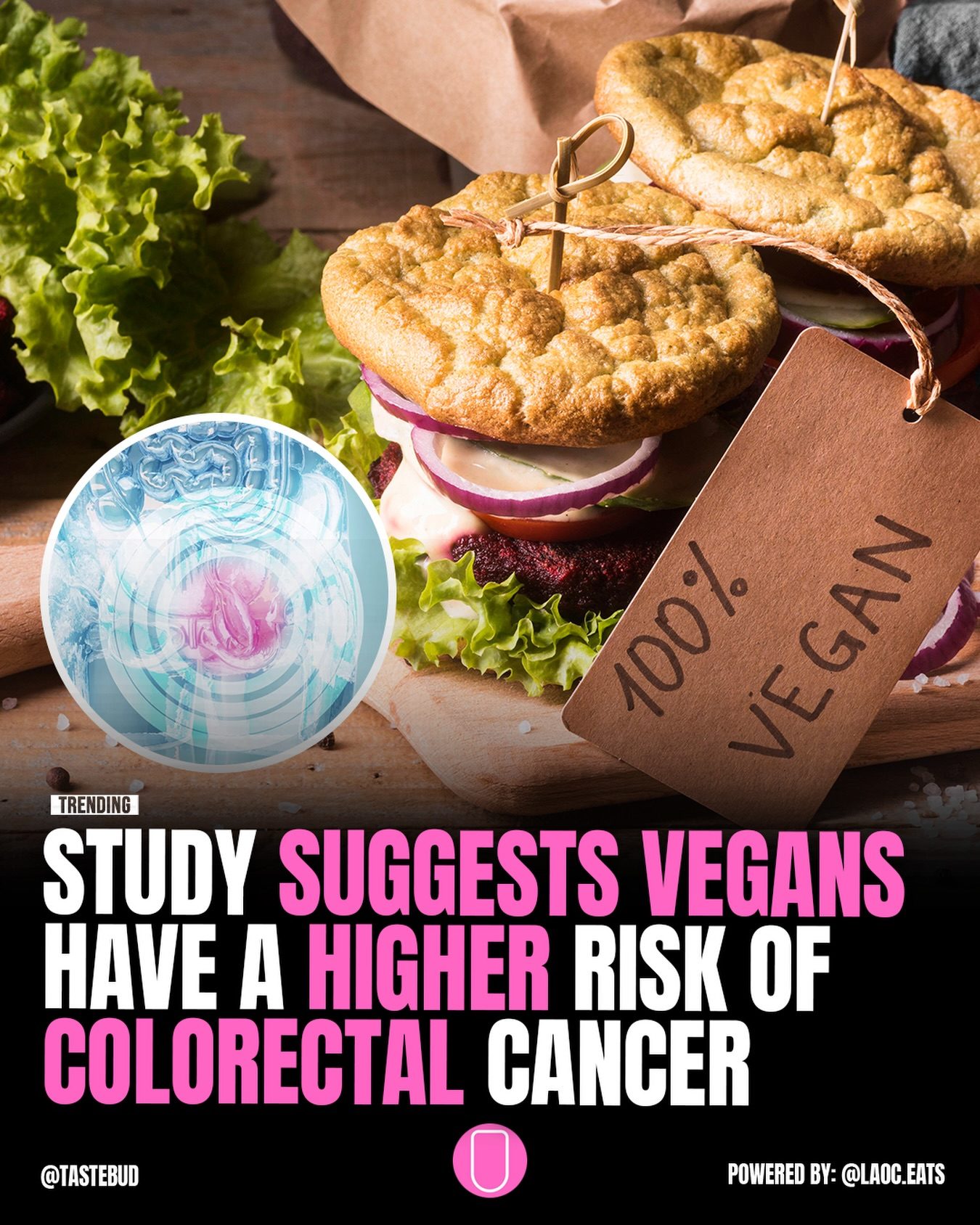
Vegan Diet and Cancer Risk
Vegans worldwide have embraced the diet for ethical and health reasons. It's no surprise that a recent study published in the British Journal of Cancer explored how a meatless diet affects cancer risk. The study analyzed data from over 1.8 million people, comparing five relatively healthy dietary patterns.
Context / Why this matters
It’s crucial to understand the nuances of these findings, as they impact dietary choices for many. The study underscores the importance of nutrient-rich diets in reducing overall cancer risk. However, it also highlights specific challenges for those adhering to fully vegan diets.
Main discussion
The study provides valuable insights into the relationship between diet and cancer risk. It found that a nutrient-rich vegetarian-style diet is associated with lower overall cancer risk. This means that a diet low in meat and high in plant-based foods can be beneficial. The findings did not require strict vegan adherence, suggesting that some fish or limited meat intake could also be part of a healthy diet.
Nutrient-Rich Vegetarian Diets
The study emphasizes the importance of a nutrient-rich diet. This approach includes a variety of plant-based foods such as fruits, vegetables, whole grains, legumes, and nuts. These foods are high in fiber, vitamins, and minerals, which are essential for overall health. A balanced vegetarian diet can help lower the risk of various cancers, including breast, colon, and prostate cancer.
Colon Cancer and Vegan Diets
The study also suggests that fully vegan diets may require careful nutrient fortification, particularly regarding colon cancer-related nutrients. This is because a strict vegan diet may lack certain nutrients found in animal products, such as vitamin B12, iron, and omega-3 fatty acids. These nutrients are crucial for colon health and overall well-being.
Practical tips
If you're considering a vegan diet, it's important to plan your meals carefully to ensure you're getting all the necessary nutrients. Here are some practical tips:
Nutrient Fortification
- Vitamin B12: This vitamin is essential for brain function and the production of red blood cells. Vegans can get vitamin B12 from fortified foods like plant-based milks, cereals, and nutritional yeast. Supplements are also an option.
- Iron: While plant-based foods contain iron, it's not as easily absorbed as the iron from animal products. To enhance absorption, pair iron-rich foods with vitamin C-rich foods, such as bell peppers and citrus fruits.
- Omega-3 Fatty Acids: These healthy fats are crucial for heart health and brain function. Vegans can get omega-3s from foods like flaxseeds, chia seeds, and walnuts, or from algae-based supplements.
Balancing Your Diet
A well-planned vegan diet should be balanced and varied. Include a range of plant-based foods to ensure you're getting a wide array of nutrients. This could include:
- Fruits and Vegetables: Aim for a variety of colors to get a broad spectrum of vitamins and minerals.
- Whole Grains: Opt for whole grains like brown rice, quinoa, and whole-wheat bread.
- Legumes: Include beans, lentils, and chickpeas in your meals.
- Nuts and Seeds: These are great sources of healthy fats and proteins.
Special Considerations
For those at higher risk of colon cancer, it's especially important to pay attention to your diet. Include plenty of fiber-rich foods, such as:
- Fruits and Vegetables: These are high in fiber and can help promote healthy digestion.
- Whole Grains: Opt for whole grains instead of refined carbohydrates.
- Legumes: Beans and lentils are excellent sources of fiber.
- Probiotics: Consider including probiotic-rich foods like kefir and sauerkraut, or taking a probiotic supplement.
Important takeaways
- A nutrient-rich, vegetarian-style diet can help lower overall cancer risk.
- Vegan diets may require careful nutrient fortification, especially for colon cancer-related nutrients.
- Plan your meals to ensure you're getting all the necessary nutrients.
- Include a variety of plant-based foods in your diet.
Conclusion
A well-planned vegan or vegetarian diet can be part of a healthy lifestyle. By focusing on nutrient-rich, plant-based foods, you can support your overall health and lower your risk of cancer. It’s important to be mindful of potential nutrient deficiencies and plan your meals accordingly. This approach ensures that you get the necessary nutrients and reap the benefits of a plant-based diet. Explore different recipes, like the 100% Vegan burger from LAOC.EATS, to keep your meals exciting and nutritious.
Watch the Reel
Questions readers ask
How does a vegan diet impact colorectal cancer risk compared to other diets?
The British Journal study showed that a vegan diet, like other plant-based diets, can reduce overall cancer risk. However, vegans should pay special attention to nutrient intake, as deficiencies can potentially increase the risk of colorectal cancer.
What are the key nutrients vegans should focus on to reduce colorectal cancer risk?
Vegans should ensure they consume adequate amounts of vitamin B12 and omega-3 fatty acids, which are crucial for maintaining good health and reducing cancer risk. These nutrients are often found in animal products, so vegans should consider fortified foods or supplements.
Can a vegan diet provide enough omega-3 fatty acids for cancer prevention?
Vegans are advised to consume plant-based sources of omega-3 fatty acids to supplement their diet. Sources such as flaxseeds, chia seeds, walnuts, and algae-based supplements can help meet daily requirements, contributing to cancer prevention.
What plant-based foods help with colorectal cancer prevention?
A variety of plant-based foods, including fruits, vegetables, whole grains, and legumes, can help reduce colorectal cancer risk. These foods contain essential nutrients and fiber, which are beneficial in maintaining digestive health and lowering cancer risk.
What are some vegan sources of vitamin B12, essential for colorectal cancer prevention?
Vegans can obtain vitamin B12 from fortified plant-based milks, breakfast cereals, and nutritional yeast. Additionally, supplementing with a B12 vitamin can ensure adequate intake, as it is crucial for overall health and colorectal cancer prevention.
How can vegans ensure they are getting all necessary nutrients for cancer prevention?
Vegans should focus on consuming a diverse range of plant-based foods to meet their nutritional needs. Consulting with a healthcare provider or dietitian can help identify specific nutrient gaps and recommend appropriate supplements.
Are there any specific health risks associated with a vegan diet that could impact cancer risk?
While a vegan diet offers numerous health benefits, it's essential to be aware of potential nutrient deficiencies, such as those in vitamin B12 and omega-3 fatty acids, which can increase cancer risk if not properly addressed. Regularly monitoring nutrient intake and supplementation can mitigate this risk.
Related deep dives
Similar reads based on topic and creator.



Recent articles
Fresh deep dives from the latest Reels we unpacked.




Comments
Be the first to comment.