The United Arab Emirates' Unique Role in Gulf Politics
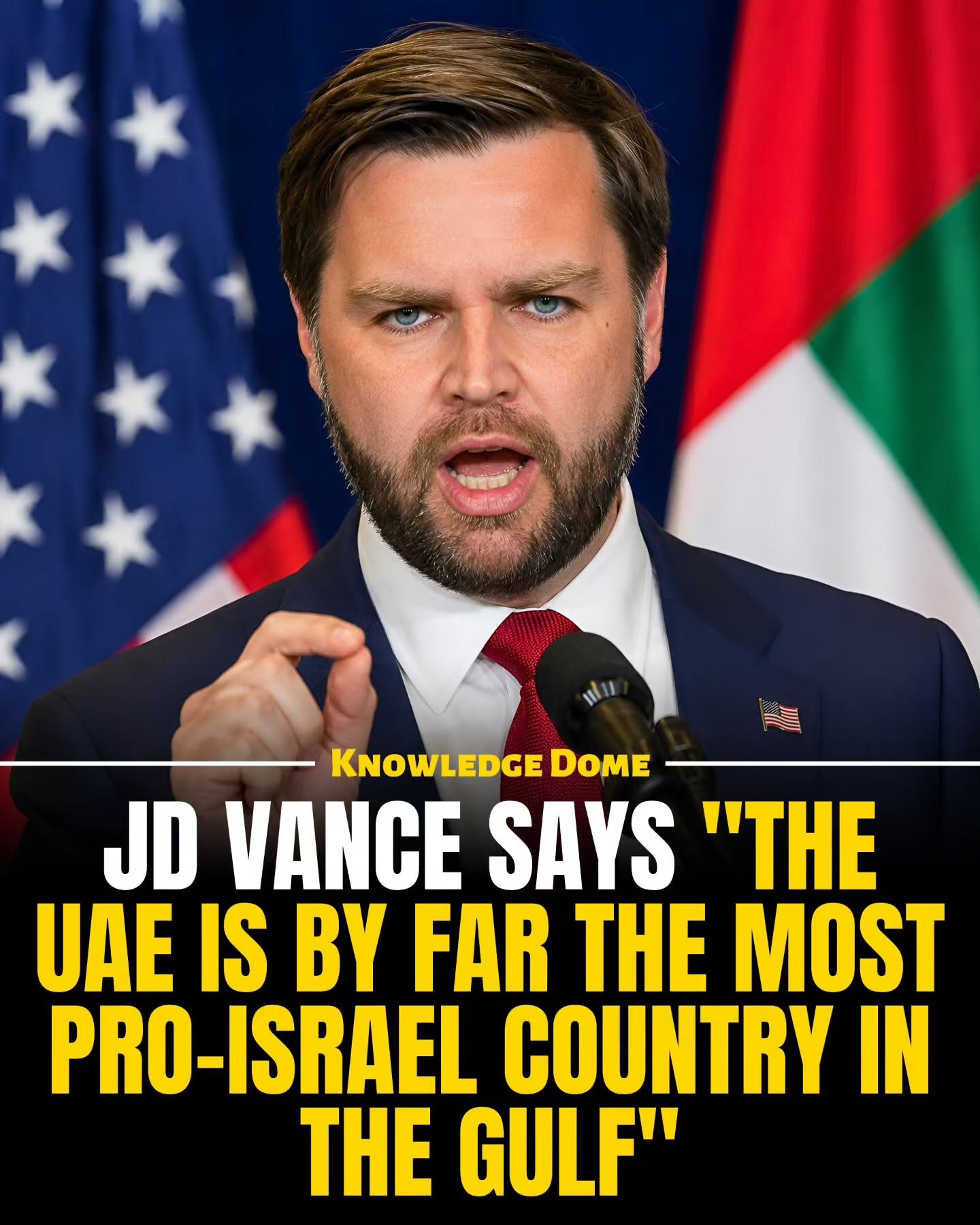
The United Arab Emirates (UAE) stands out in the Gulf Cooperation Council (GCC) due to its strong pro-Israel stance, as highlighted by U.S. Vice President JD Vance. This position is significant for several reasons, including the UAE's diplomatic, economic, and security ties with Israel, as well as its recent engagements with Iran.
Context / Why This Matters
The UAE's pro-Israel stance is a result of the Abraham Accords, a historic peace agreement between Israel, the UAE, and other regional players, backed by the United States in 2020. This agreement has led to a noticeable shift in the regional dynamics, fostering stronger ties between Abu Dhabi and Tel Aviv. The UAE's efforts to balance its relationships with Israel and Iran are crucial for several reasons. Firstly, it shows a pragmatic approach to regional stability. Secondly, it highlights the UAE's role as a key player in the Middle East, trying to navigate complex political landscapes.
The UAE's Pro-Israel Stance
The Abraham Accords and Beyond
The Abraham Accords marked a significant turning point in the Middle East's political landscape. The agreement, backed by the United States, normalized relations between Israel and the UAE, leading to closer diplomatic, economic, and security ties. This shift has been instrumental in shaping the region's politics and has opened up new avenues for cooperation and diplomacy.
The Role of the United States
The United States has been a key player in facilitating the UAE's ties with Israel. The high-level talks in Switzerland, aimed at lowering tensions between Washington and Tehran, underscore the U.S.'s role in promoting dialogue and reducing conflict in the region. Vance's remarks highlight how the U.S. is leveraging its relationships in the Middle East to foster peace and stability.
The UAE's Engagements with Iran
Economic Ideas and Regional Stability
Despite its strong ties with Israel, the UAE is also engaging with Iran in unprecedented ways. These talks, focused on economic ideas and regional stability, show that Gulf countries are trying to handle delicate situations with care. The UAE's efforts to balance its relationships with Israel and Iran are crucial for maintaining regional stability and promoting economic growth.
The Gulf Countries' Pragmatic Approach
The UAE's approach to its relationships with Israel and Iran is a testament to the Gulf countries' pragmatic stance. By engaging in dialogue and cooperation, the UAE is trying to navigate the complex political landscape of the Middle East and promote regional stability. This approach is not just a diplomatic strategy but also a reflection of the UAE's economic interests and its role as a key player in the region.
Practical Tips for Understanding the UAE's Role
Keep an Eye on Diplomatic Developments
To understand the UAE's role in the region, it's essential to keep an eye on diplomatic developments. The UAE's engagement with Iran and its strong ties with Israel are both part of a broader strategy to promote regional stability and economic growth. By staying informed about these developments, you can gain a deeper understanding of the UAE's role in the region.
Follow Economic Trends
The UAE's engagements with Iran and Israel are not just about politics; they are also about economics. By following economic trends in the region, you can gain insights into the UAE's strategic priorities and its efforts to promote economic growth and stability.
Stay Informed About U.S. Policy
The United States has a significant role in shaping the Middle East's political landscape. By staying informed about U.S. policy in the region, you can gain a better understanding of the UAE's strategic priorities and its efforts to balance its relationships with Israel and Iran.
Important Takeaways
- The UAE is a key player in the Middle East, trying to balance its relationships with Israel and Iran.
- The UAE's pro-Israel stance is a result of the Abraham Accords and has led to closer diplomatic, economic, and security ties.
- The UAE's engagements with Iran are focused on economic ideas and regional stability, showing a pragmatic approach to navigating the complex political landscape of the Middle East.
- The United States has a significant role in facilitating the UAE's ties with Israel and promoting regional stability.
Conclusion
The UAE's unique role in the Gulf Cooperation Council, highlighted by its pro-Israel stance and engagements with Iran, underscores its importance as a key player in the region. By balancing its relationships with Israel and Iran, the UAE is promoting regional stability and economic growth. Its pragmatic approach to navigating the complex political landscape of the Middle East is a testament to its strategic priorities and its role as a key player in the region.
Watch the Reel
Questions readers ask
What are the Abraham Accords and how have they influenced UAE-Israel relations?
The Abraham Accords are a set of peace agreements, brokered by the U.S. in 2020, that normalized relations between Israel and several Arab countries, including the UAE. These accords have significantly enhanced diplomatic, economic, and security ties between the UAE and Israel, marking a historic shift in Middle Eastern politics.
How has the United States supported the UAE's pro-Israel stance?
The United States has been a strong advocate for the UAE's pro-Israel stance, providing diplomatic and security backing. This support has been crucial in fostering the stronger ties between the UAE and Israel, as well as in balancing the regional dynamics in the Gulf.
What are the key areas of cooperation between the UAE and Israel?
The UAE and Israel have established strong ties in economic, diplomatic, and security sectors. This includes increased trade, cultural exchanges, and joint security initiatives, all of which contribute to regional stability and cooperation.
How does the UAE's relationship with Iran affect its pro-Israel stance?
The UAE walks a fine line between its pro-Israel stance and its diplomatic engagements with Iran. While the UAE has strengthened its ties with Israel, it also maintains dialogue with Iran to balance its foreign policy and ensure regional stability.
What role does the UAE play within the Gulf Cooperation Council in regards to Israel?
Within the Gulf Cooperation Council, the UAE stands out as the most pro-Israel nation. This unique position has led to stronger ties with Israel, setting it apart from other GCC members, and influencing broader regional dynamics.
What has U.S. Vice President JD Vance said about the UAE's pro-Israel stance?
JD Vance has highlighted the UAE's strong support for Israel, acknowledging the country's pro-Israel stance and the significant ties with Israel, which have been fostered through the Abraham Accords and U.S. backing.
Recent articles
Fresh deep dives from the latest Reels we unpacked.




Comments
Be the first to comment.