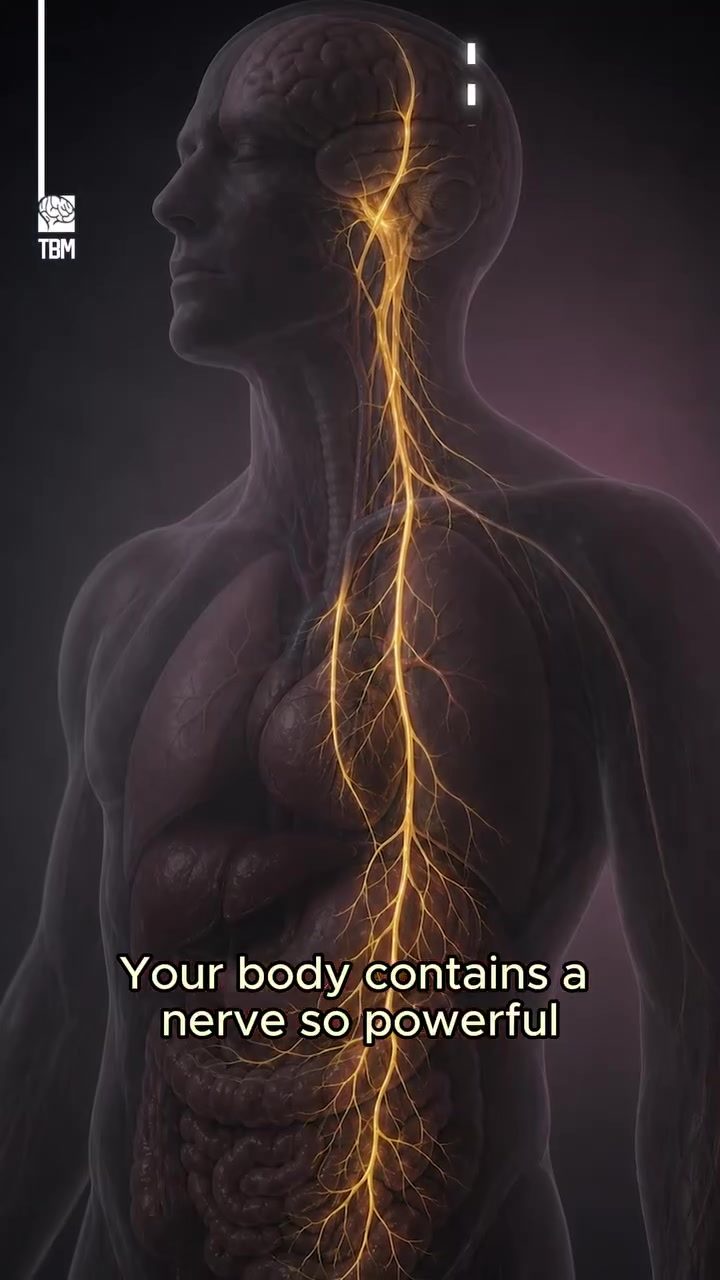
The Vagus Nerve: Your Body's Hidden Communication Superhighway
The vagus nerve is more than just a nerve; it's a vital communication pathway linking your brain to major organs. This nerve plays a crucial role in regulating various bodily functions, from heartbeat and digestion to immune activity and inflammation. Understanding the vagus nerve helps to appreciate the intricate balance maintaining your health from within.
Why This Matters
The vagus nerve is the longest of the 12 cranial nerves, stretching from the brain through the chest and abdomen. It is a critical component of the parasympathetic nervous system, which is responsible for the body's "rest and digest" functions. By regulating these functions, the vagus nerve helps maintain homeostasis, the body's internal balance. Its role in modulating inflammation and immune responses highlights its significance in overall health and well-being. This is why understanding the vagus nerve and its functions can offer valuable insights into maintaining and improving your health.
The Vagus Nerve: A Detailed Look
Anatomy and Function
The vagus nerve originates in the brainstem and extends downward, branching out to various organs. It comprises both afferent (sensory) and efferent (motor) fibers. Around 80% of its fibers are afferent, constantly reporting the condition of your internal organs back to the brain. This communication network is essential for the body's regulatory functions.
Regulating Heartbeat and Digestion
The vagus nerve's role in regulating your heartbeat and digestion is profound. It can slow your heart rate, which is particularly noticeable during activities like deep breathing or meditation. This heart rate variability is an indicator of good cardiovascular health and a balanced nervous system. Additionally, the vagus nerve stimulates the release of digestive enzymes, promotes muscle contractions in the digestive tract, and helps regulate bowel movements, ensuring smooth digestive processes.
Immune Activity and Inflammation
One of the vagus nerve's most remarkable functions is its role in regulating inflammation through the cholinergic anti-inflammatory pathway. When immune cells begin to produce excessive inflammatory molecules, the vagus nerve triggers the release of acetylcholine, a neurotransmitter. Acetylcholine binds to receptors on immune cells called macrophages, suppressing the release of inflammatory cytokines, such as tumor necrosis factor. This mechanism acts as a biological break, preventing inflammation from spiraling out of control and damaging healthy tissues.
Practical Tips for Enhancing Vagus Nerve Function
Breathing Exercises
Deep, slow breathing exercises can stimulate the vagus nerve and enhance its function. Techniques like diaphragmatic breathing, where you focus on expanding your belly rather than your chest, can help activate the parasympathetic nervous system and promote relaxation. Other breathing exercises, such as the 4-7-8 method, where you inhale for 4 seconds, hold for 7 seconds, and exhale for 8 seconds, can also be beneficial.
Cold Exposure
Exposing your body to cold temperatures, such as taking a cold shower or swimming in cold water, can activate the vagus nerve. The sudden change in temperature triggers the body's "dive reflex," which can slow your heart rate and stimulate the vagus nerve. Gradually incorporating cold exposure into your routine can help enhance your vagus nerve function over time.
Singing and Humming
Vocal activities like singing and humming can directly stimulate the vagus nerve. These activities use the muscles in the back of the throat, which are connected to the nerve. Regularly practicing these exercises can help strengthen the vagus nerve and improve its function.
Social Connection and Laughter
Engaging in social activities and laughter can also stimulate the vagus nerve. Laughter, in particular, activates the diaphragm, which is connected to the vagus nerve. Social interactions and shared experiences can promote a sense of well-being and reduce stress, indirectly supporting the healthy functioning of the vagus nerve.
Important Takeaways
The vagus nerve is a crucial component of the body's communication network, regulating various functions that keep you balanced and healthy. Understanding its role and implementing practical tips to enhance its function can have significant benefits for your overall well-being. By incorporating breathing exercises, cold exposure, vocal activities, and social interactions into your routine, you can support the healthy functioning of the vagus nerve and promote better health.
Conclusion
Your vagus nerve is a powerful and essential part of your nervous system, playing a vital role in regulating your body's functions and maintaining internal balance. From heartbeat and digestion to immune activity and inflammation, the vagus nerve quietly ensures that your body operates optimally. By embracing activities that stimulate and support the vagus nerve, you can enhance its function and contribute to your overall health and well-being.
Watch the Reel
Questions readers ask
What is the primary role of the vagus nerve in the body?
The vagus nerve serves as a major communication pathway between the brain and various vital organs. It plays a key role in regulating essential functions such as heart rate, digestion, and immune responses, helping to maintain the body's internal balance.
How does the vagus nerve influence digestion?
The vagus nerve is instrumental in the 'rest and digest' functions, it stimulates the release of gastric acid and helps control the movement of food through the digestive tract. This ensures efficient digestion and nutrient absorption.
What is the relationship between the vagus nerve and the immune system?
The vagus nerve is connected to the immune system. It can help regulate inflammation. Stimulating the vagus nerve can modulate immune responses, potentially reducing excessive inflammation and promoting overall immune health.
What are some techniques to stimulate the vagus nerve?
Vagus nerve stimulation techniques include deep, slow breathing, meditation, yoga, and cold exposure. Additionally, activities like humming, singing, and massaging specific areas of the neck and ears can also stimulate the vagus nerve.
Why is the vagus nerve often called the 'rest and digest' nerve?
The vagus nerve is often referred to as the 'rest and digest' nerve because it is a key component of the parasympathetic nervous system, which controls bodily functions that occur during rest. These functions include slowing the heart rate, stimulating digestion, and promoting relaxation.
How does the vagus nerve affect heart function?
The vagus nerve helps regulate heart rate by sending signals to the heart. It can slow down the heart rate, promoting a state of calmness and helping to maintain cardiovascular health.
What is the significance of the vagus nerve being the longest nerve in the body?
As the longest nerve in the body, the vagus nerve has extensive reach, extending from the brainstem to the colon. This allows it to connect and communicate with numerous organs, playing a crucial role in maintaining overall health and internal balance.
Related deep dives
Similar reads based on topic and creator.

Recent articles
Fresh deep dives from the latest Reels we unpacked.




Comments
Be the first to comment.