Sustainable Pest Control with Wildflowers
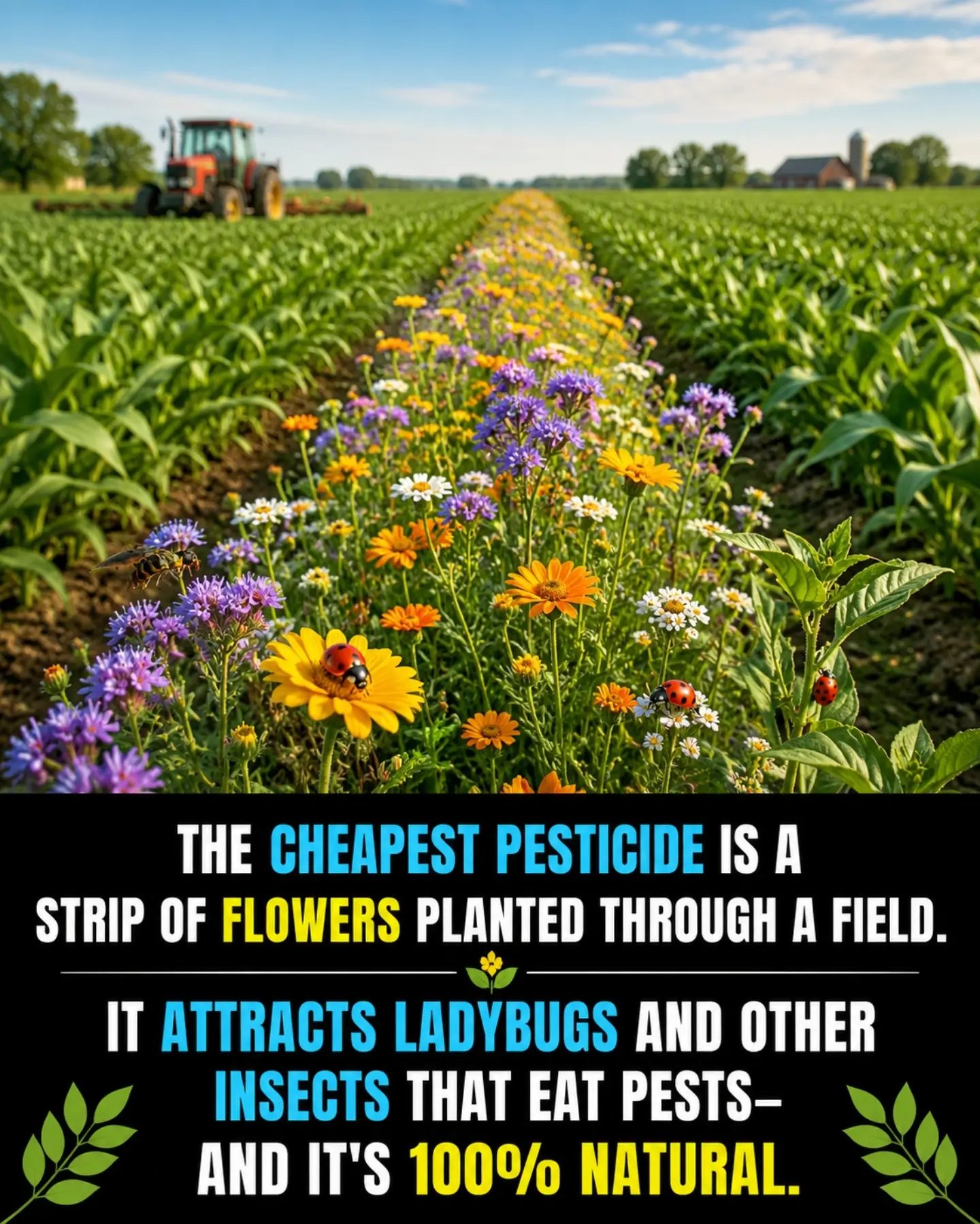
Controlling pests in a sustainable and cost-effective manner is a top priority for gardeners and farmers alike. One innovative and natural method gaining traction is the strategic planting of wildflowers. This approach not only adds aesthetic value to the landscape but also serves as a highly effective pest control strategy by attracting beneficial insects.
Context / Why this matters
Traditional chemical pesticides can be harmful to the environment and pose health risks to humans and animals. Moreover, the ongoing use of chemicals can lead to the development of pesticide-resistant pests, making them less effective over time. Therefore, the need for sustainable and natural pest control methods has become increasingly important. Wildflowers offer a viable solution by creating a balanced ecosystem that naturally manages pest populations.
Main discussion
How Wildflowers Act as Natural Pest Control
Wildflowers act as natural pesticides by attracting a variety of beneficial insects. Ladybugs, for example, are known for their appetite for aphids and other pests. These insects are drawn to the nectar and pollen provided by wildflowers, making the flowers an indispensable part of a healthy garden ecosystem. By providing a habitat for these beneficial insects, wildflowers create a natural defense system against pests.
The Science Behind the Benefits
The process of attracting beneficial insects to control pests is a form of biological pest control. This method leverages the natural predators of pests to manage their populations. By planting a strip of wildflowers through a field, farmers and gardeners can create a sustainable and natural way to control pests.
The Efficacy of Wildflowers
Wildflower strips are highly effective in controlling pests. They are known to attract a wide range of insects that feed on pests, including ladybugs, lacewings, and hoverflies. These insects help to keep pest populations in check, reducing the need for chemical pesticides. Furthermore, wildflowers are 100% natural and cost-effective, making them a practical and sustainable solution for pest control.
The Role of Wildflowers in a Biodiverse Ecosystem
Wildflowers contribute to biodiversity, which is crucial for a healthy ecosystem. A diverse range of plants and insects helps to maintain the balance of the ecosystem, making it more resilient to pests and diseases. By incorporating wildflowers into your garden or field, you are not only controlling pests but also fostering a thriving ecosystem.
Practical tips
Choosing the Right Wildflowers
Select wildflowers that are native to your region. Native plants are better adapted to local conditions and are more likely to attract local beneficial insects. Some popular wildflowers for pest control include:
- Aster: Attracts ladybugs and parasitic wasps.
- Black-eyed Susan: Attracts hoverflies and lacewings.
- Coneflower: Attracts ladybugs and lacewings.
- Clover: Attracts ladybugs and hoverflies.
Planting Wildflower Strips
Plant wildflowers in strips or pockets throughout your garden or field. These strips should be at least 10-20 feet wide to attract a significant number of beneficial insects. Place them in sunny areas where they will receive plenty of sunlight and water.
Integrating Wildflowers with Other Methods
While wildflowers are effective on their own, integrating them with other natural pest control methods can enhance their effectiveness. Companion planting, for example, involves planting certain plants together to deter pests. Crops like garlic and onions can naturally repel pests due to their strong scent.
Monitoring and Maintenance
Regularly monitor your wildflower strips to ensure they are thriving and attracting beneficial insects. Remove any weeds that may compete with the wildflowers for resources. Maintain a healthy soil environment by adding compost or organic matter as needed.
Important takeaways
- Wildflowers can act as a natural and cost-effective way to control pests by attracting beneficial insects like ladybugs.
- Planting wildflowers through a field creates a sustainable and natural pest control method.
- Wildflowers contribute to biodiversity, making the ecosystem more resilient to pests and diseases.
- Choose native wildflowers that are adapted to your local environment.
- Integrate wildflower strips with other natural pest control methods for enhanced effectiveness.
- Regularly monitor and maintain your wildflower strips to ensure they remain healthy and effective.
Conclusion
Incorporating wildflowers into your garden or field is a practical and sustainable way to control pests naturally. By attracting beneficial insects, wildflowers create a balanced ecosystem that keeps pest populations in check without the need for harmful chemicals. This method is not only cost-effective but also promotes biodiversity and environmental health. Embrace the power of wildflowers and transform your pest control strategy into a natural, eco-friendly solution.
Watch the Reel
Questions readers ask
How do wildflowers help in pest control?
Wildflowers attract beneficial insects such as ladybugs and lacewings, which are natural predators of common pests. By planting wildflowers, you create a habitat that supports these beneficial insects, helping to control pest populations naturally.
What are some beneficial insects that wildflowers attract for pest control?
Wildflowers attract a variety of beneficial insects, including ladybugs, lacewings, and hoverflies. These insects prey on common pests like aphids, mites, and caterpillars, making them effective allies in natural pest management.
Can planting wildflowers reduce the need for chemical pesticides?
Yes, by attracting beneficial insects that feed on pests, wildflowers can significantly reduce the need for chemical pesticides. This not only benefits the environment but also promotes a more sustainable and cost-effective approach to pest management.
What is the best way to plant wildflowers for pest control?
To maximize pest control benefits, plant wildflowers in strips or patches throughout your garden or farm. This provides a consistent food source for beneficial insects and ensures they remain in the area to control pests effectively.
Are there specific types of wildflowers that are most effective for pest control?
While many wildflowers can attract beneficial insects, certain species are particularly effective. Flowers like yarrow, dill, and fennel are known for their ability to attract a wide range of beneficial insects that help control pests.
How can wildflowers benefit the overall health of my garden or farm?
Wildflowers enhance the biodiversity of your garden or farm by attracting beneficial insects, which in turn helps manage pest populations. Additionally, wildflowers can improve soil health and provide nectar and pollen for pollinators, contributing to a thriving ecosystem.
Related deep dives
Similar reads based on topic and creator.
Recent articles
Fresh deep dives from the latest Reels we unpacked.




Comments
Be the first to comment.