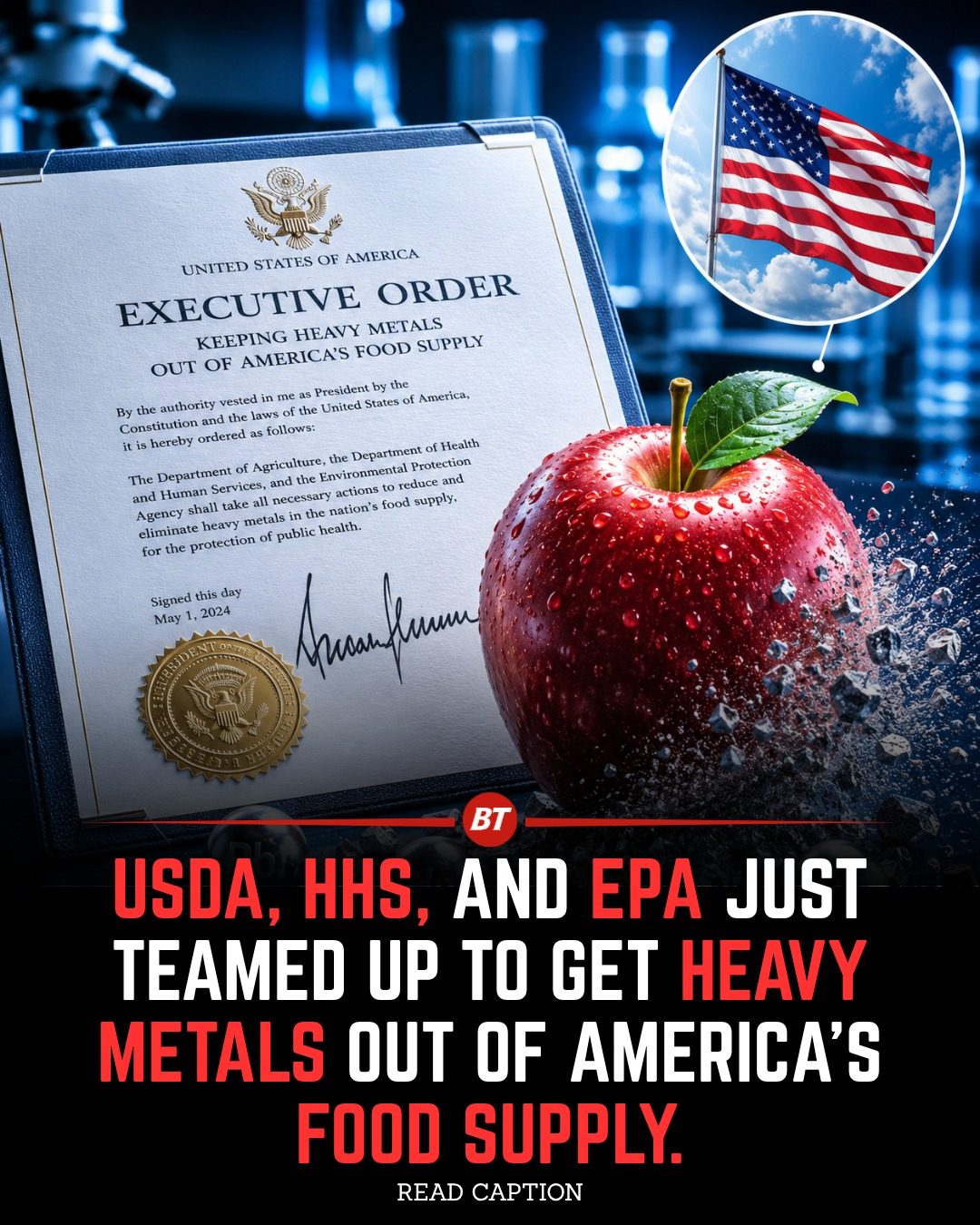
Executive Order on Heavy Metals
Heavy metals in the food supply are a growing concern, and the U.S. government has taken decisive action to address it. The U.S. Department of Agriculture (USDA), Department of Health and Human Services (HHS), and Environmental Protection Agency (EPA) have formed a new partnership to significantly reduce heavy metals and other contaminants in America's food supply. This initiative is a crucial step in ensuring public health and safety.
Why This Matters
Heavy metals like lead, arsenic, cadmium, and mercury are naturally occurring in the environment. However, they can also enter the food supply through contaminated soil, water, and various agricultural practices. Long-term exposure to these metals, especially at elevated levels, has been linked to serious health risks, particularly for infants and young children. These health risks make the reduction of heavy metal exposure a critical public health priority.
A Unified Approach
Collaboration Between Agencies
The newly announced agreement expands the collaborative efforts of the USDA, HHS, and EPA. These agencies will work together more closely to detect, monitor, and respond to contaminants in the nation’s food supply. This enhanced cooperation aims to improve data sharing, strengthen scientific oversight, and enable faster investigations when unusually high levels of contaminants are detected.
Expanding Monitoring Capabilities
One of the key components of this initiative is the introduction of a new laboratory method by the USDA's Food Safety and Inspection Service (FSIS). This method can measure 18 different heavy metals at extremely low levels, providing a more comprehensive and sensitive approach to monitoring food safety. This is the first time federal monitoring will extend beyond raw meat to include processed foods, such as sausages and ready-to-eat meals, ensuring a broader scope of safety.
Protecting Public Health
The Executive Order, signed on May 1, 2024, underscores the government's commitment to reducing and eliminating heavy metals in the food supply. This order directs the USDA, HHS, and EPA to take all necessary actions to protect public health. By focusing on these efforts, the agencies aim to minimize the long-term health impacts of heavy metal exposure, ensuring a safer food supply for all Americans.
Practical Steps for Consumers
Continue Eating a Varied Diet
One of the most important things consumers can do is to maintain a varied diet. Eating a wide range of foods helps ensure that you get all the necessary nutrients while also minimizing the intake of any single contaminant. Variety in your diet can naturally balance out any potential exposure to heavy metals.
Wash Fruits and Vegetables Thoroughly
Washing fruits and vegetables thoroughly is a simple yet effective way to reduce contamination. Rinsing under running water and sometimes scrubbing with a brush can help remove any dirt or residues that may contain heavy metals. This practice is especially important for produce that you consume raw, such as salads and fruits.
Follow Food Safety Guidelines
Adhering to food safety guidelines is crucial. This includes cooking food to safe temperatures, storing food properly, and avoiding cross-contamination. Proper food handling and storage can prevent the growth of harmful bacteria and reduce the risk of heavy metal contamination.
Stay Informed
Staying informed about the latest developments in food safety and monitoring is essential. Agencies like the USDA, HHS, and EPA regularly update their guidelines and recommendations based on new research and findings. Keeping up with these updates can help you make informed choices about the food you consume.
Important Takeaways
The new partnership between the USDA, HHS, and EPA marks a significant milestone in the fight against heavy metals in the food supply. This initiative is not a response to a sudden surge in food contamination but a proactive measure to improve surveillance and identify potential problems even earlier. The enhanced laboratory methods and expanded monitoring will ensure that the food supply remains safe and that any issues are addressed promptly.
Conclusion
The U.S. government's efforts to reduce heavy metals in the food supply are a vital step towards ensuring public health and safety. By working together, the USDA, HHS, and EPA are strengthening their capabilities to detect, monitor, and respond to contaminants. Consumers can also play a role by maintaining a varied diet, washing fruits and vegetables thoroughly, following food safety guidelines, and staying informed. These collective efforts will help protect public health and ensure a safer food supply for all.
Watch the Reel
Questions readers ask
Which heavy metals are primarily targeted by the USDA, HHS, and EPA collaboration?
The collaboration primarily focuses on reducing the presence of lead, arsenic, cadmium, and mercury in the food supply. These metals are naturally occurring but can pose significant health risks, especially to vulnerable populations like infants and young children.
What steps are the USDA, HHS, and EPA taking to enhance food safety?
The agencies are improving their collaboration and monitoring capabilities to better detect and respond to heavy metal contamination. This includes developing stricter guidelines, enhancing testing methods, and implementing preventive measures to ensure the safety of the food supply.
Why are infants and young children at higher risk from heavy metal contamination?
Infants and young children are particularly vulnerable to the health impacts of heavy metals due to their developing brains and bodies. Even low levels of exposure can have long-term effects on their growth and cognitive development.
What role does the EPA play in this initiative?
The Environmental Protection Agency (EPA) contributes by monitoring and regulating environmental contaminants that can enter the food supply. Their expertise helps in setting safety standards and ensuring that agricultural practices minimize the risk of heavy metal contamination.
How can consumers protect themselves from heavy metal exposure through food?
Consumers can take several steps, such as choosing foods that are certified organic or produced in regions with lower contamination risks. Additionally, following USDA guidelines for food preparation and storage can help reduce exposure to heavy metals. Regular updates from the agencies provide the latest recommendations on safe food choices.
What is the significance of the Executive Order on Heavy Metals?
The Executive Order signifies a formal commitment from the U.S. government to address the issue of heavy metals in the food supply. It mandates coordinated efforts between key agencies to implement strategies that significantly reduce these contaminants, thereby enhancing overall food safety and protecting public health.
Recent articles
Fresh deep dives from the latest Reels we unpacked.




Comments
Be the first to comment.