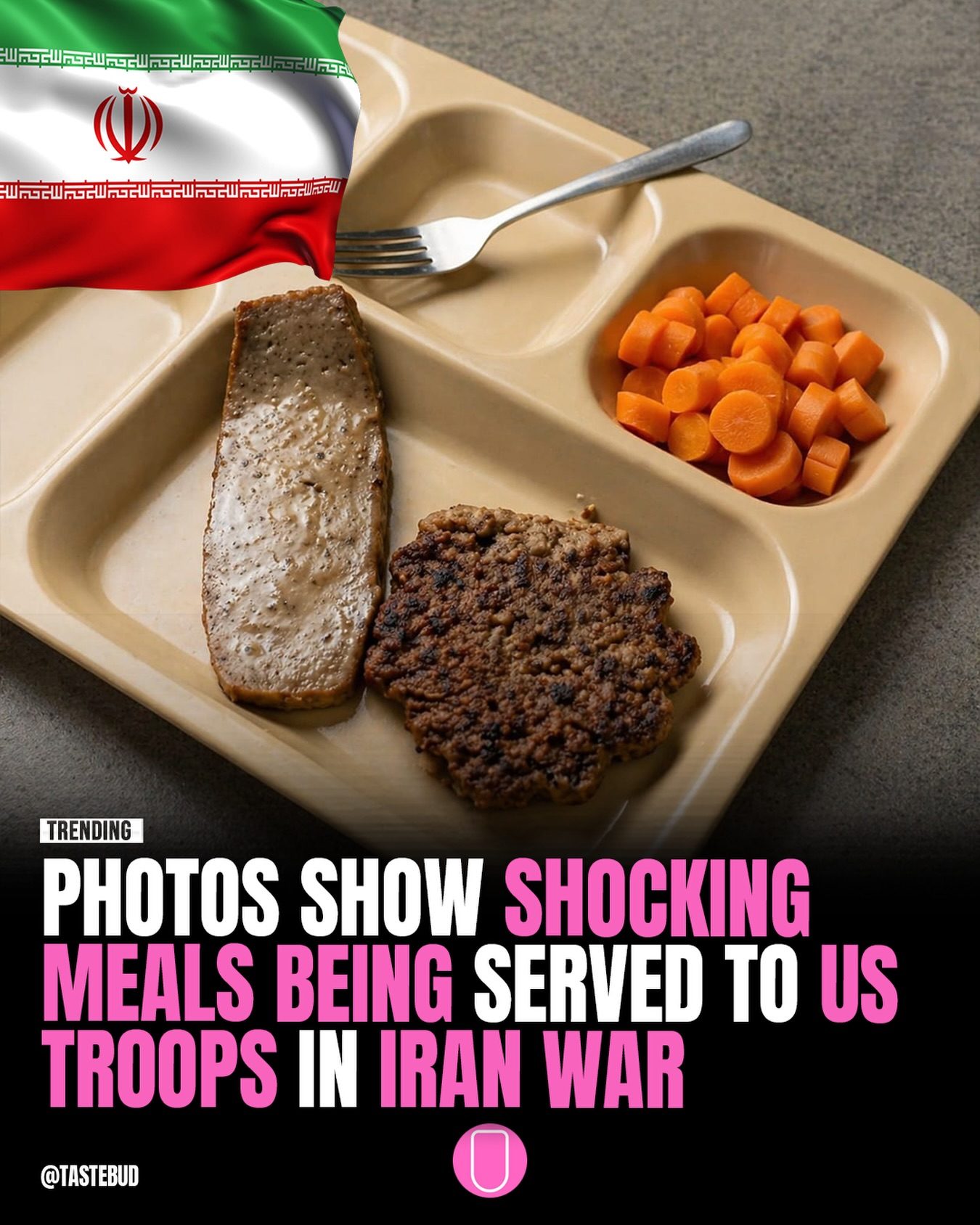
Iranian Meals Served to U.S. Troops
The recent circulation of images depicting meals served to U.S. service members in the Middle East has sparked significant concern and debate. These photos, which were widely shared on social media, reveal small portions and unappealing food, raising critical questions about the quality and accessibility of meals during deployments. This situation has not only worried families and observers but also prompted a broader discussion about the welfare of troops and the standards of food service during operations.
Context
The images that have gone viral highlight the challenges U.S. service members face regarding food quality and availability during deployments.
Food Quality and Logistical Challenges
Food Portions and Presentation
The photos in question show meals that are not only small in portion but also lack visual appeal. This has led to concerns about whether the dietary needs of service members are being met. The visual presentation of food can significantly impact morale and satisfaction, especially in challenging environments. The importance of nutritious and appealing meals cannot be overstated, as they play a crucial role in maintaining the physical and mental well-being of troops.
Logistical Issues
Logistical issues have exacerbated the problem, causing delays and shortages in supply deliveries. The Middle East presents unique challenges for supply chains, including transportation difficulties and limited resources. Ensuring a steady supply of fresh and nutritious food is a complex task, and any disruption can have a significant impact on the quality of meals served.
Impact on Troop Welfare
Physical Health
Adequate nutrition is essential for maintaining the physical health of troops. Inadequate meals can lead to reduced energy levels, compromised immune systems, and overall poor health, all of which can affect a service member's ability to perform their duties effectively. Ensuring that troops receive well-balanced and nutritious meals is crucial for their physical well-being.
Mental Health
The mental well-being of troops is equally important. Receiving unappealing and inadequate meals can negatively impact morale and mental health, which are already under significant stress during deployments. The quality of food can serve as a small but meaningful perk that helps boost morale and a sense of being valued.
Standards and Regulations
The standards and regulations governing military meals, should ensure that troops receive adequate and nutritious food. These standards are designed to maintain the health and well-being of service members. However, the recent photos suggest that there may be gaps in implementation or enforcement, highlighting the need for a thorough review and potential adjustments to these standards.
Monitoring and Accountability
Regular monitoring and accountability mechanisms are necessary to ensure compliance with food standards. This includes inspections, audits, and feedback systems that allow troops to report issues. Transparency and accountability are essential for maintaining high standards and addressing any shortcomings promptly.
Practical Tips for Improving Military Meals
Enhancing Food Quality
Improving the quality of food involves several steps, including sourcing better ingredients, enhancing culinary training for military chefs, and investing in better food preparation and storage facilities. These improvements can significantly enhance the quality and appeal of the meals served.
Addressing Logistical Challenges
Addressing logistical challenges requires a multi-faceted approach, including improving supply chain management, investing in infrastructure, and leveraging technology to streamline operations. Ensuring a steady supply of fresh and nutritious food is crucial for maintaining high standards.
Incorporating Variety
Incorporating variety into meals can help maintain interest and satisfaction. Rotating menus and offering a range of food options can provide troops with a more enjoyable dining experience, which can have a positive impact on morale.
Important Takeaways
The recent images of meals served to U.S. service members in the Middle East highlight the critical importance of ensuring that troops receive adequate and nutritious food. The quality and availability of meals play a crucial role in maintaining the physical and mental well-being of service members, and addressing the issues raised by these photos is essential for their welfare.
Conclusion
Improving the quality and accessibility of meals for U.S. troops in the Middle East is a complex but necessary task. By addressing logistical challenges, enhancing food quality, and incorporating variety, we can ensure that our service members receive the support they need to carry out their duties effectively. This not only benefits their physical and mental health but also boosts morale and a sense of being valued, ultimately contributing to mission success.
Watch the Reel
Questions readers ask
Why are photos of U.S. troop meals in Iran causing concern?
The photos raise concerns due to the small portion sizes and unappealing appearance of the meals, which has prompted worries about whether the dietary needs of service members are being adequately addressed during their deployment in Iran.
What challenges do U.S. service members face regarding food in the Middle East?
Service members in the Middle East often face logistical challenges that affect food quality and availability. These include limited resources, harsh environmental conditions, and the need to transport food over long distances, all of which can impact the meals served to troops.
What are the standard meal portions for deployed U.S. troops?
The standard meal portions for deployed U.S. troops are designed to meet specific nutritional requirements. However, the widely shared photos have sparked debate about whether the portion sizes are sufficient to meet the energy expenditure and nutritional demands of service members during demanding missions in Iran.
How does the presentation of food affect U.S. troops' morale?
The visual appeal of meals can significantly impact the morale of troops. Unappetizing food can lead to decreased satisfaction and morale, which in turn can affect overall well-being and operational effectiveness. The photos have raised questions about how presentation can influence the troops' overall experience.
What steps are typically taken to ensure the quality of meals for deployed U.S. troops?
The U.S. military has established food service standards to ensure that meals meet specific nutritional and quality criteria. These standards include regular inspections, adherence to food safety protocols, and feedback mechanisms to address troops' concerns. However, the recent photos have sparked a review of these standards in the context of deployments in Iran.
How do the dietary needs of service members change during deployments?
During deployments, the dietary needs of service members can increase due to the physical demands of their missions. This includes higher caloric needs and specific nutritional requirements to support endurance and performance. The recent photos have raised questions about whether the current food service can adequately meet these heightened dietary needs in the Middle East.
Related deep dives
Similar reads based on topic and creator.


Recent articles
Fresh deep dives from the latest Reels we unpacked.




Comments
Be the first to comment.